
Most Americans own a staggering amount of clothing they simply do not wear. According to research cited by the Council for Textile Recycling, the average American throws away approximately 81 pounds of clothing and textiles annually. This cycle of consumption doesn’t just clutter your bedroom; it drains your bank account and fuels a “fast fashion” habit that prioritizes quantity over quality. Imagine walking into your closet and knowing that every single item fits perfectly, looks professional, and coordinates with everything else you own. By adopting a capsule wardrobe guide, you reclaim your time, your space, and your financial peace of mind.
A capsule wardrobe is a curated collection of a few essential items of clothing that do not go out of style, which you can then augment with seasonal pieces. For this challenge, we focus on a 30-item limit. This includes tops, bottoms, shoes, and outerwear. While it sounds restrictive, the mathematical reality is that 30 well-chosen items can create over 100 unique outfits. This shift toward frugal fashion focuses on the concept of “cost per wear”—a metric that reveals the true value of your wardrobe over time.

The Financial Drain of Choice Overload
Decision fatigue is a real psychological phenomenon where the quality of your choices deteriorates after a long session of decision-making. When you stand in front of a closet bursting with 100 items of clothing and feel like you have “nothing to wear,” you are experiencing a cognitive tax. From a financial perspective, this often leads to “panic buying”—purchasing a new outfit for a specific event because your current wardrobe feels disorganized or inadequate.
By limiting yourself to 30 items, you eliminate the morning stress of outfit selection. More importantly, you stop the steady leak of $20 and $50 impulse purchases at big-box retailers. When you commit to a minimalist clothing budget, you transition from being a passive consumer to an intentional curator. You begin to see your clothing as an investment rather than a recurring expense.
Establishing Your Minimalist Clothing Budget
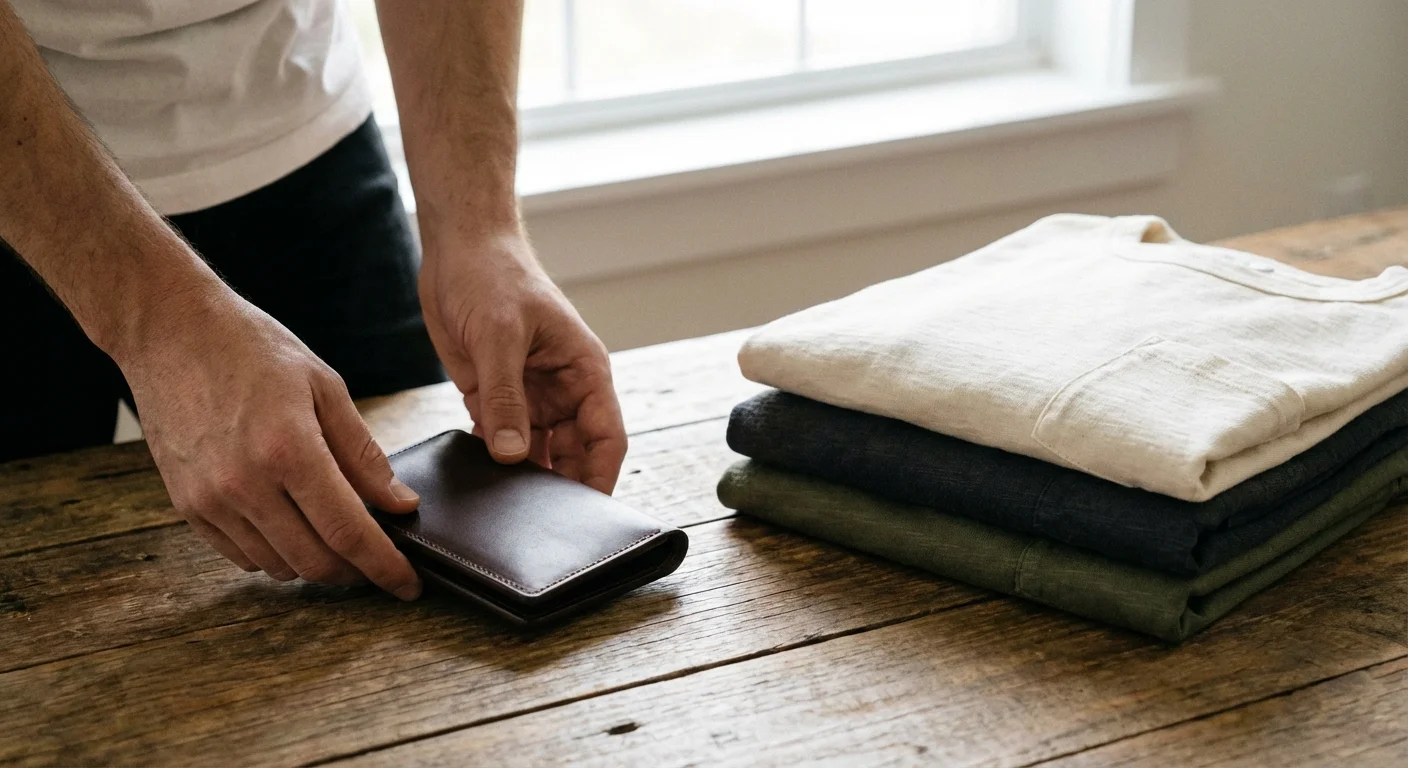
Transitioning to a capsule wardrobe doesn’t mean you should go out and buy 30 new things today. In fact, that would defeat the purpose of frugal fashion. The goal is to maximize what you already own and fill the gaps with high-quality pieces that last for years. To start, you need a clear understanding of your current spending. Review your bank statements from the last six months to see exactly how much you have spent on apparel, shoes, and accessories.
A sustainable minimalist clothing budget often follows the “quality over quantity” rule. Instead of buying five $15 t-shirts that shrink and lose their shape after three washes, you might spend $40 on one high-quality organic cotton shirt that lasts for three years. The upfront cost is higher, but the long-term savings are significant. You can find excellent guides on managing your overall household expenses through resources like NerdWallet to help you redirect these savings into high-yield accounts or retirement funds.
Defining the 30-Item Framework
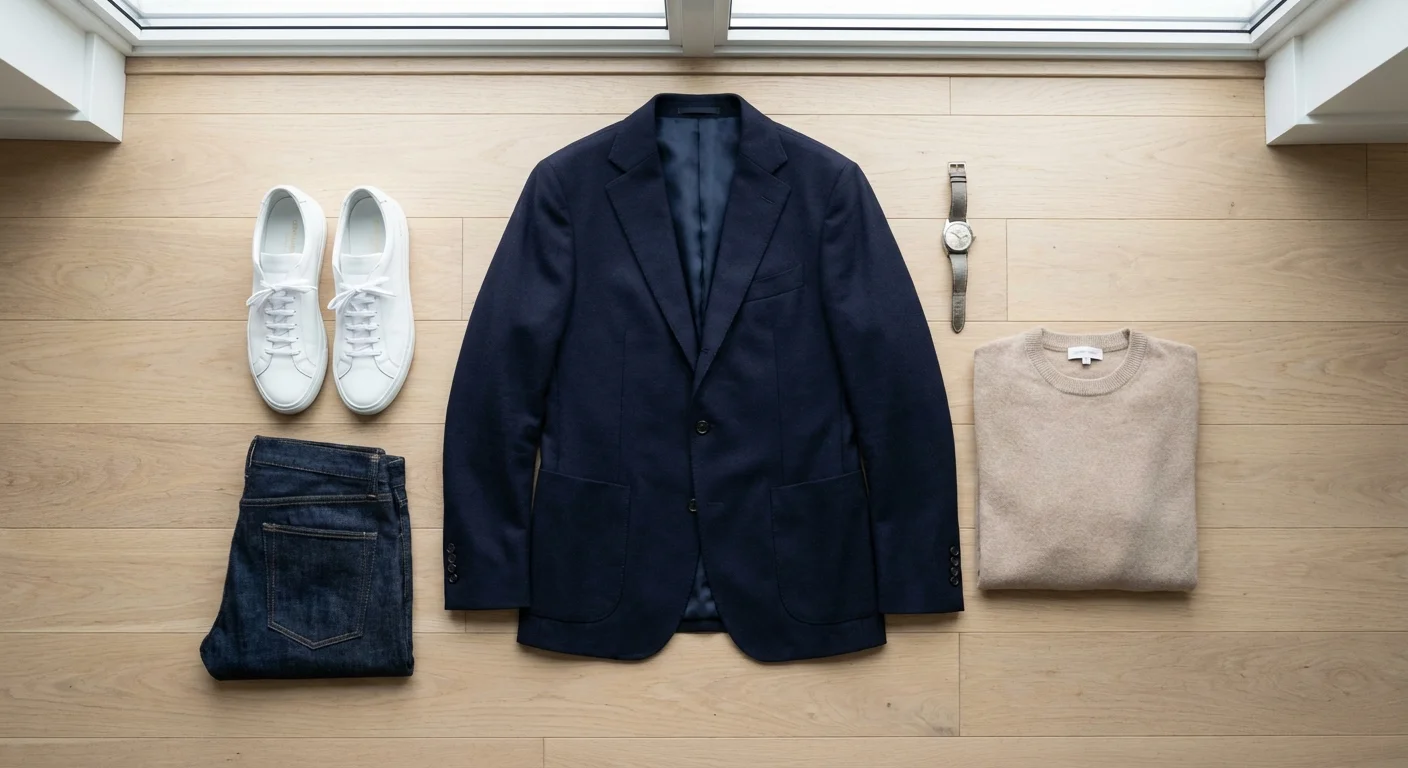
The “30 items” typically exclude underwear, socks, workout gear (used only for the gym), and pajamas. The goal is to cover your daily professional and social life. A standard breakdown for a versatile, year-round capsule might look like this:
- 6 Tops: A mix of button-downs, high-quality tees, and blouses.
- 4 Sweaters/Layers: Cardigans, pullovers, or a versatile blazer.
- 5 Bottoms: Dark denim, tailored trousers, and perhaps a versatile skirt or chino.
- 3 Outerwear: A trench coat, a heavy winter coat, and a light jacket.
- 4 Shoes: Professional loafers or flats, versatile sneakers, boots, and one formal option.
- 8 Seasonal/Specific Items: Dresses, specialized gear, or extra layering pieces tailored to your climate.
This structure ensures you have a base for every situation. The key to making 30 items work is a cohesive color palette. If you stick to neutrals—black, navy, gray, white, and tan—as your base, you can add one or two accent colors (like olive green or burgundy) that allow every top to work with every bottom.
Calculating the True Cost: The Value of Quality
Frugal fashion is often misunderstood as buying the cheapest available option. In reality, the most expensive clothes are the ones you only wear once. To understand the financial impact of your wardrobe, use the “Cost Per Wear” (CPW) formula: Price of Item / Number of Times Worn = CPW.
| Item Type | Purchase Price | Estimated Wears | Cost Per Wear |
|---|---|---|---|
| Fast-Fashion Dress | $35.00 | 5 (pills/tears easily) | $7.00 |
| High-Quality Blazer | $150.00 | 75 (versatile work/social) | $2.00 |
| Discount Sneakers | $40.00 | 40 (soles wear out) | $1.00 |
| Investment Leather Boots | $200.00 | 400 (re-soleable, lasts years) | $0.50 |
As the table demonstrates, the “expensive” leather boots are actually the most frugal choice you can make. When you buy for longevity, you stop the constant cycle of replacement. You can check product reliability and longevity through Consumer Reports to ensure the brands you choose actually deliver on their promises of quality.

The Step-by-Step Purge Strategy
Building your capsule starts with a radical honest assessment of what you currently own. This is often the most difficult part of the challenge because humans tend to attach emotional value to physical objects. Follow these steps to clear the clutter:
- The Full Empty: Take every single piece of clothing out of your closet and drawers. Lay them on your bed. Seeing the sheer volume of fabric helps you realize the magnitude of your previous spending.
- The “Love It” Pile: Pick up each item. If you haven’t worn it in a year, if it doesn’t fit, or if it requires constant fidgeting, it does not go in this pile. Be ruthless.
- The “Maybe” Box: If you are struggling to let go of an item, put it in a box and store it out of sight. If you don’t go looking for it in 30 days, you don’t need it.
- The Sell/Donate Pile: High-quality items can be sold on resale platforms like ThredUp or Poshmark. This is a great way to seed your new minimalist clothing budget. Anything else should be donated to a local charity.
By selling the items you no longer wear, you turn “dead capital” back into liquid cash. Many people find they can generate $200 to $500 just by clearing out the clothes they were ignoring anyway.
“We buy things we don’t need with money we don’t have to impress people we don’t like.” — Dave Ramsey, Personal Finance Author and Broadcaster

Shopping Strategically for Your Remaining Items
Once you have narrowed your closet down to your favorite essentials, you will likely find gaps. Perhaps you have great trousers but lack a professional layer like a blazer, or maybe your only pair of shoes is falling apart. When you do shop, do so with a list and a strict budget. Avoid the “sale” trap—an item is not a bargain if it doesn’t fit into your 30-item plan.
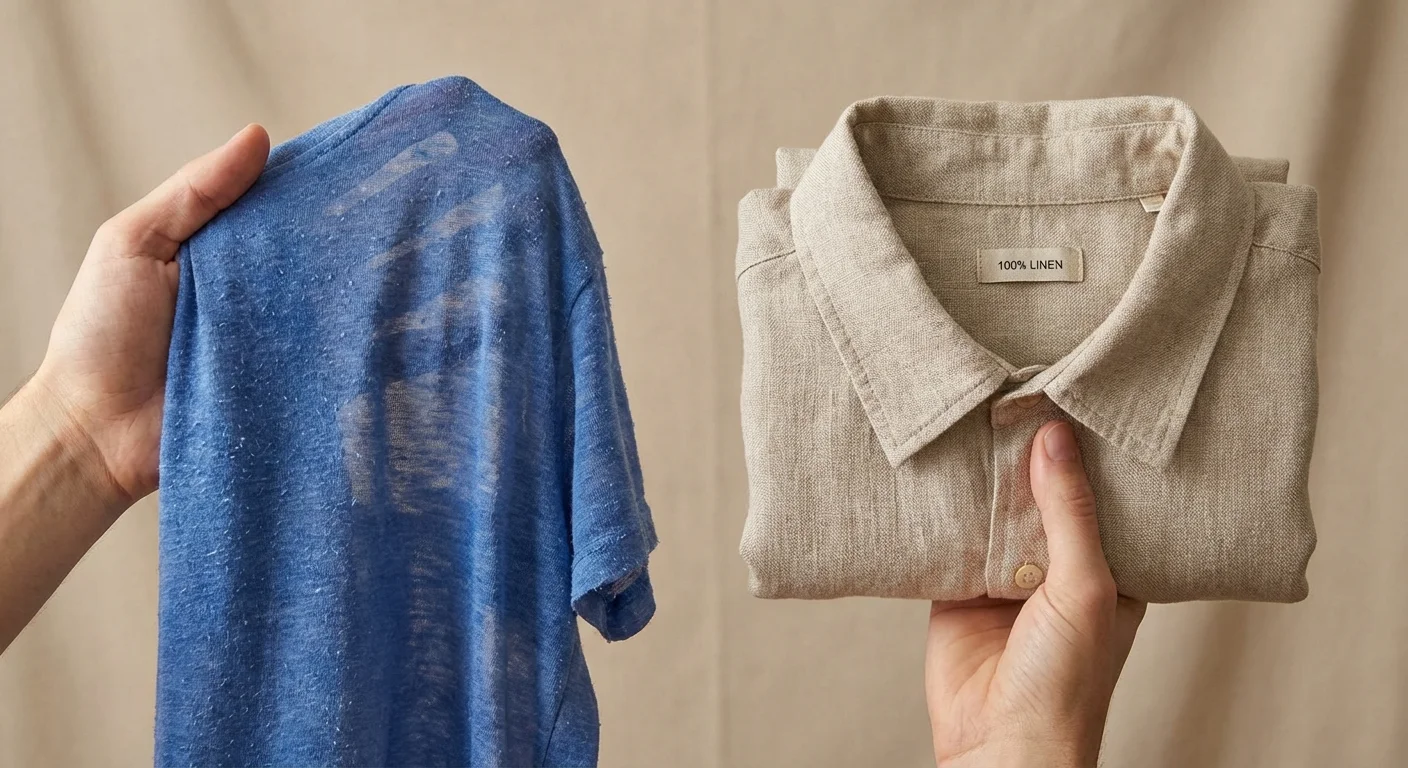
Focus on natural fibers like wool, cotton, linen, and silk. These materials generally breathe better, last longer, and hold their shape more effectively than synthetic polyesters. Furthermore, learn basic garment care. Learning to sew a button or properly de-pill a sweater can extend the life of an item by years, further lowering your cost per wear. For those looking to understand the broader economic impact of consumer spending and inflation on goods like apparel, the Federal Reserve provides regular reports on consumer trends and pricing.
Professional vs. Self-Guided Wardrobe Planning
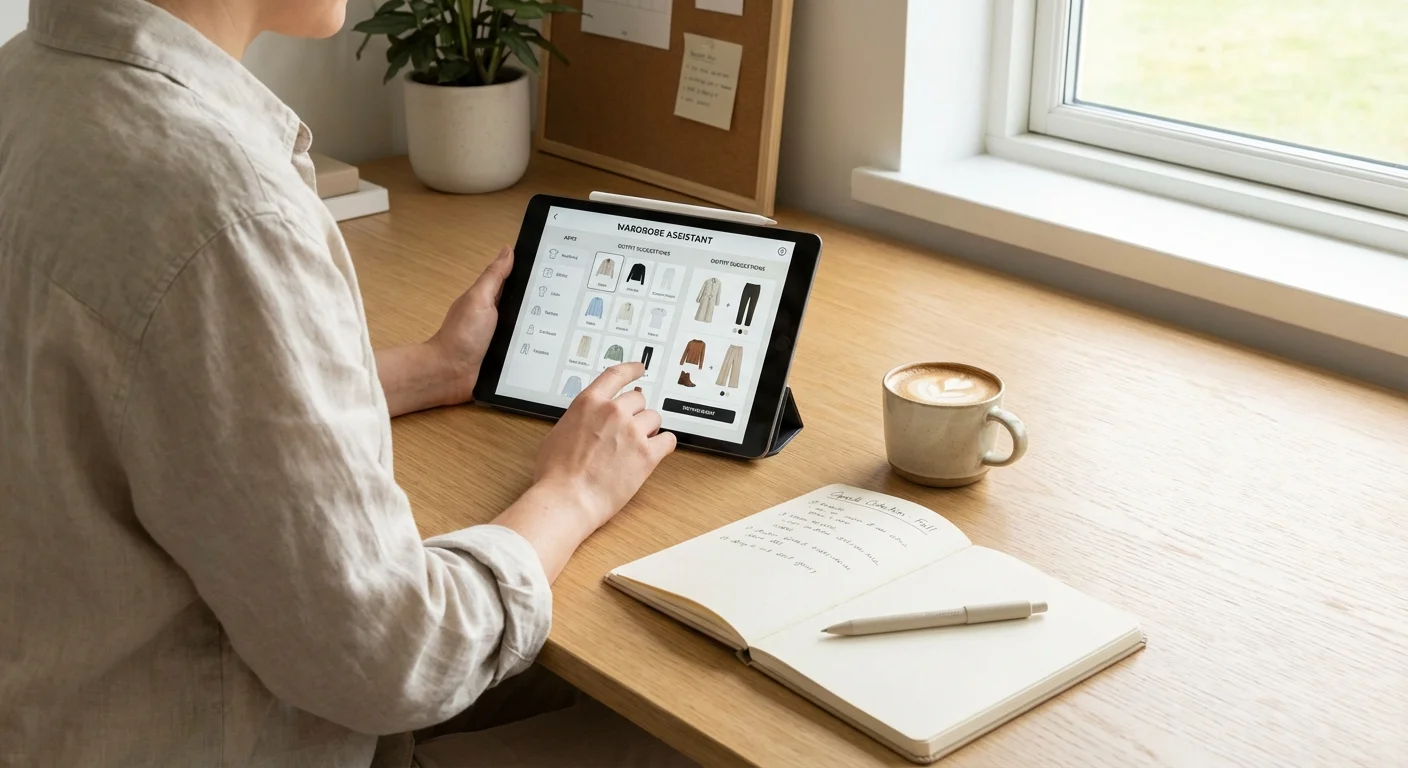
While many people successfully build a capsule wardrobe on their own, some situations may warrant professional advice or specialized tools. Deciding which path to take depends on your budget and your goals.
- Scenario 1: The Career Transition. If you are moving from a casual environment to a high-level executive role, you might benefit from a professional stylist. They can help you select high-stakes pieces that project authority, ensuring you don’t waste money on “almost right” professional wear.
- Scenario 2: The Budget Rebuild. If your primary goal is to save money and pay off debt, the self-guided approach is best. Use free apps to track your outfits and stick to your 30-item limit religiously.
- Scenario 3: The Wardrobe “Black Hole.” If you find yourself consistently buying the same item over and over (e.g., owning 12 black t-shirts), you may need a professional organizer to help you create a system that prevents future over-purchasing.
Common Mistakes to Avoid
The transition to a minimalist wardrobe is a journey, and almost everyone hits a few bumps along the way. Avoid these common pitfalls to stay on track:
- Keeping “Goal” Clothes: Do not keep clothes that don’t fit your current body. If you lose weight or gain muscle, reward yourself with one high-quality item that fits your new frame rather than hoarding a closet full of clothes you might wear “someday.”
- Ignoring Your Lifestyle: Don’t build a wardrobe for the life you wish you had. If you work from home 90% of the time, your capsule should not be 70% formal suits. Be realistic about where you actually spend your hours.
- Buying the “Look” All at Once: The most sustainable wardrobes are built slowly. If you buy 30 items in one weekend, you are likely to make mistakes. Buy one piece, wear it for two weeks, and see how it integrates into your life before buying the next.
- Fear of Repeating Outfits: There is no shame in wearing the same trousers three times a week. In fact, most people won’t even notice. Focus on being the person who always looks “put together” rather than the person who always looks “different.”
Frequently Asked Questions
Does a capsule wardrobe include accessories like scarves and jewelry?
Generally, small accessories like jewelry, watches, and scarves do not count toward your 30-item limit. However, handbags and belts often do, as they occupy more physical and visual space. Use your best judgment—the goal is simplicity, not legalistic tracking.
How do I handle different seasons with only 30 items?
The most effective way is the “seasonal swap.” You maintain 30 items for Spring/Summer and then swap out about 10–15 of those items for heavier pieces during Fall/Winter. Your core items (like basic tees and jeans) stay year-round.
Is it okay to shop at thrift stores for my capsule?
Absolutely. Thrift stores are a goldmine for frugal fashion, especially for high-quality vintage pieces made of natural fibers. Just ensure the item fits your 30-item criteria and doesn’t require expensive repairs.
What if I need specialized clothing for a hobby?
Clothing specifically for a hobby—like hiking boots, a wetsuit, or cycling jerseys—should be treated like workout gear. They are “tools” for an activity, not part of your daily wardrobe. Keep them stored separately from your capsule.
Next Steps for Your Wardrobe Overhaul
Starting the 30-item capsule challenge requires a shift in mindset from “more is better” to “better is better.” Begin tonight by simply counting how many items of clothing you currently own. The number will likely surprise you. From there, set a date for your “Full Empty” and begin the process of reclaiming your closet.
Every dollar you save by not buying unnecessary clothing is a dollar you can put toward your future financial security. Whether you are building an emergency fund or investing for retirement, the discipline you develop in your closet will inevitably spill over into other areas of your financial life. To learn more about how to manage the money you’ll save through your new frugal habits, visit Investopedia for foundational investing and savings strategies.
This article provides general financial education and information only. Everyone’s financial situation is unique—what works for others may not work for you. For personalized advice, consider consulting a qualified financial professional such as a CFP or CPA.
Last updated: February 2026. Financial regulations and rates change frequently—verify current details with official sources.









Leave a Reply