
The average American household spends nearly $10,000 a year on food, according to recent data from the Bureau of Labor Statistics. As inflation continues to squeeze middle-class budgets, the grocery store often becomes the first place we feel the burn. You might feel like you have no control over your rising receipt totals, but the reality is quite different. You can slash your food expenses by 30% or more without ever clipping a single coupon.
Grocery stores are carefully engineered environments designed to separate you from your money. From the smell of rotisserie chicken near the entrance to the candy bars at the checkout line, every inch of the store has a purpose. By understanding the psychology of retail and mastering a few fundamental shopping habits, you can take back control of your finances. This guide provides the exact strategies you need to transform your shopping habits and build a more secure financial future.
The Essentials for Smarter Shopping
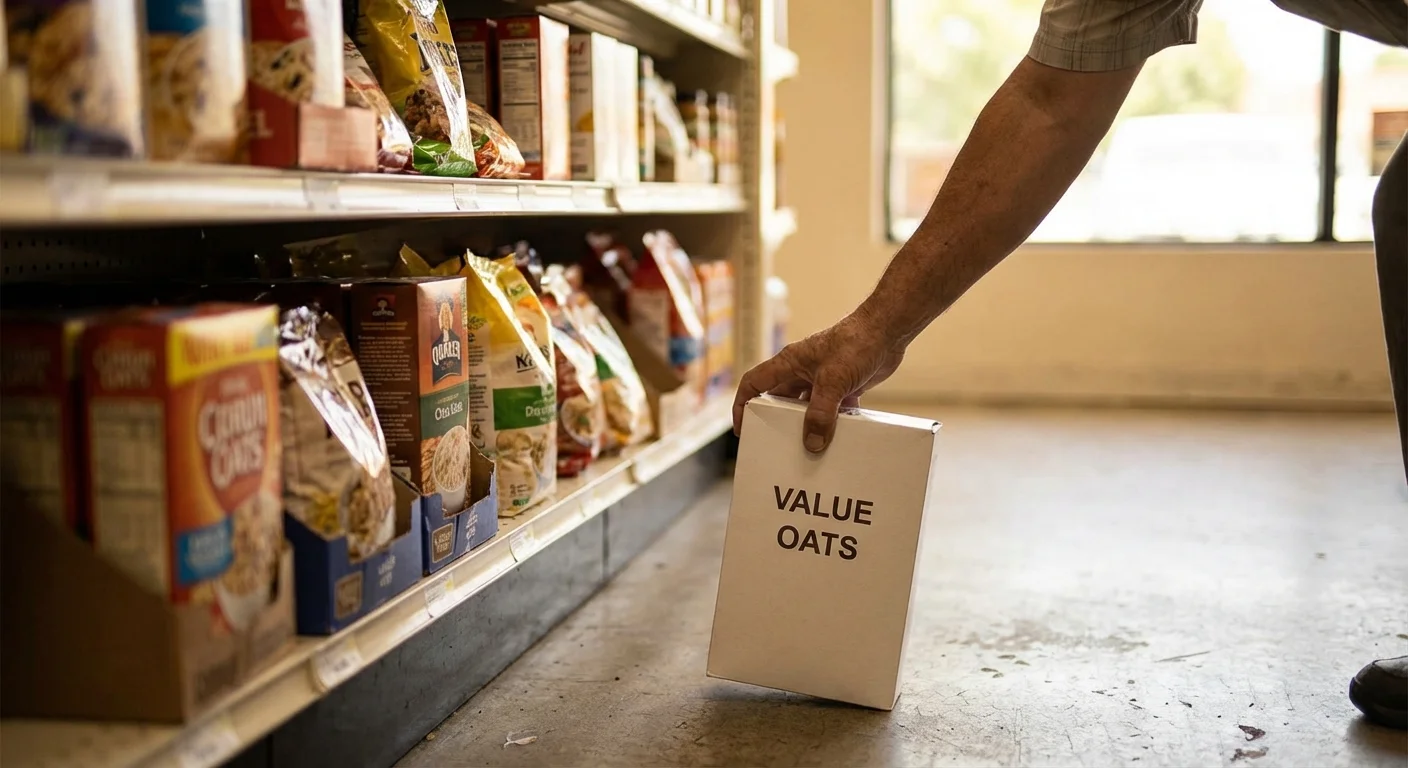
- Shop the bottom shelves where stores hide the lower-cost generic alternatives.
- Calculate the unit price to ensure you actually get more for your money in bulk.
- Practice “pantry first” meal planning to avoid buying duplicates of what you already own.
- Avoid the “Convenience Tax” by skipping pre-cut produce and individual snack packs.
The Psychology of the Supermarket Layout
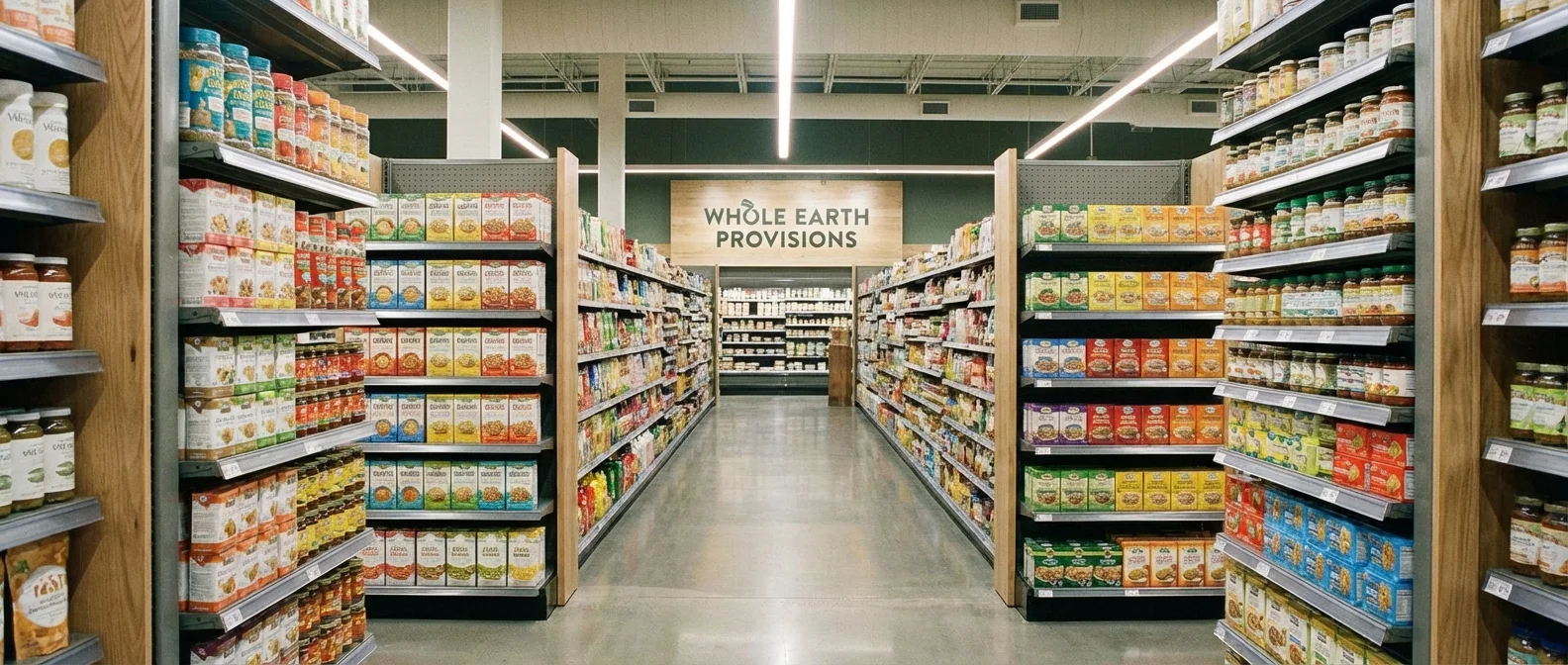
Grocery stores use a specific layout to encourage impulse buys. You usually find the “must-have” items—milk, eggs, and bread—at the very back of the store. Retailers do this intentionally to force you to walk past thousands of other products before you reach your goal. Every extra aisle you walk represents another opportunity for an unplanned purchase to land in your cart.
To fight back, you must recognize the “Eye Level is Buy Level” rule. Manufacturers pay high fees, known as slotting allowances, to have their products placed at eye level. These are typically the most expensive name brands. When you look up at the top shelf or down at the bottom shelf, you find the store brands and bulk options that offer significantly better value. Simply by shifting your gaze, you can often save 20% on the exact same ingredient.
Another common trap is the “End Cap” display. These are the shelves at the end of the aisles that seem to scream “deal.” However, many end caps do not feature items on sale. They often feature high-margin items that the store wants to move quickly. Always verify the price of an end-cap item against its counterparts in the regular aisle before assuming it is a bargain.
Mastering the Art of the Unit Price
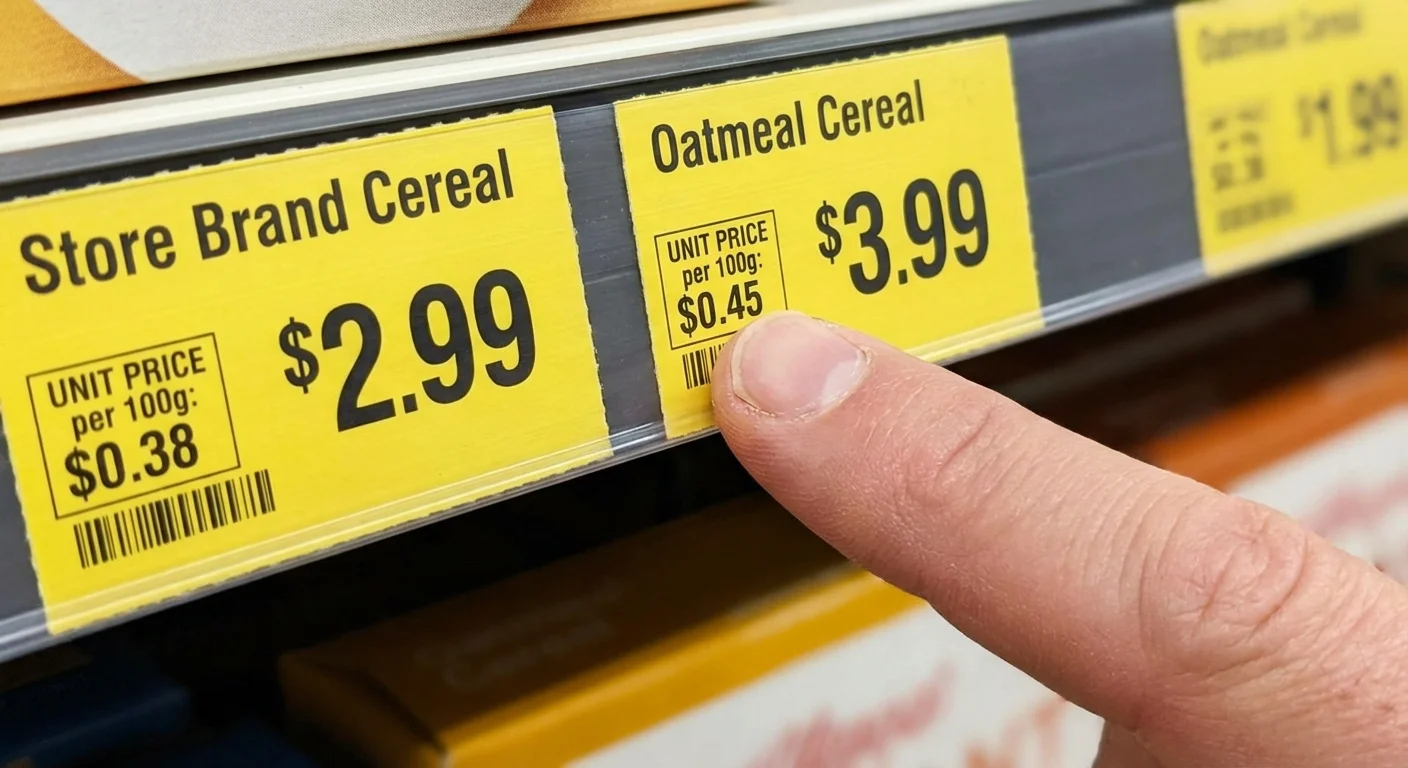
Retailers know that “Big” implies “Better Value” to most consumers. They often play on this assumption by pricing a larger container higher per ounce than a smaller one. You cannot rely on the large yellow price tag to tell the whole story. Instead, you must look at the small print on the shelf tag: the unit price.
The unit price breaks down the cost by ounce, pound, or count. For example, a 32-ounce tub of yogurt might cost $4.50 ($0.14 per ounce), while a pack of eight 4-ounce individual cups costs $5.00 ($0.15 per ounce). While the difference seems small, these pennies add up over a year of shopping. By consistently choosing the lower unit price, you eliminate the “convenience tax” that drains your bank account.
| Product Type | Convenience Option | Bulk/Standard Option | Potential Savings |
|---|---|---|---|
| Oatmeal | Instant Packets ($0.45/oz) | Large Old Fashioned Tub ($0.12/oz) | 73% |
| Carrots | Pre-cut Baby Carrots ($1.99/lb) | Whole Carrots in Bag ($0.99/lb) | 50% |
| Cheese | Pre-shredded 8oz Bag ($4.00) | 16oz Block ($5.50) | 31% |
| Water | Individual 16oz Bottles ($0.50/ea) | 1-Gallon Jug ($1.25/ea) | 80% |

Shop Your Pantry Before the Store
The most expensive meal is the one you buy ingredients for when you already have food at home. Before you even think about writing a grocery list, you must conduct a pantry and freezer audit. Dig to the back of your cabinets. You likely have a jar of marinara, a box of pasta, and a forgotten bag of frozen peas. That is a complete meal that costs you zero additional dollars today.
Frugal meal planning starts with what you have, not what you want. If you find a can of black beans and a bag of rice, your meal plan should include tacos or a bean bowl. This habit prevents food waste—a major financial drain—and ensures you aren’t buying a second bottle of mustard because you couldn’t find the first one behind the cereal boxes.
According to NerdWallet, the average family throws away hundreds of dollars in spoiled food every year. By “shopping your pantry” first, you essentially find “hidden” money in your kitchen. Use a simple dry-erase board on your fridge to list your proteins and vegetables so you never forget what needs to be eaten.
The Power of Store Brands
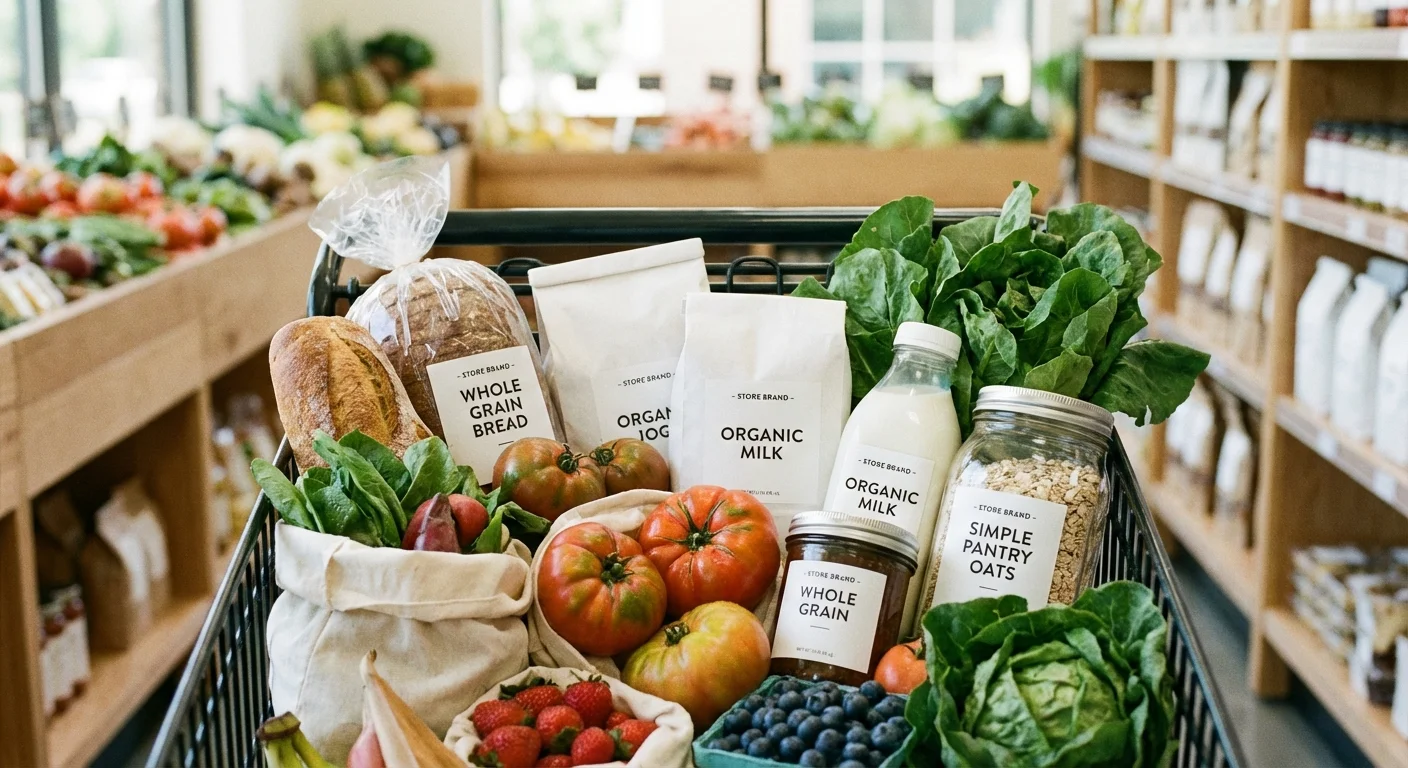
Many consumers fear that store brands (generic) are inferior to national brands. In reality, many store-brand products are manufactured in the same facilities as the name brands, using nearly identical recipes. The primary difference is the marketing budget. When you buy a name-brand cereal, you are paying for the TV commercials and the celebrity endorsements. When you buy the store brand, you are just paying for the cereal.
Consumer Reports has repeatedly found in blind taste tests that store brands often match or even beat national brands in quality. If you are hesitant, start with “single-ingredient” items. Salt, flour, sugar, canned beans, and frozen vegetables are chemically identical regardless of the label. Once you see the savings, move on to more complex items like pasta sauce or crackers. If you switch your entire cart to store brands, you can expect an immediate 20% to 30% reduction in your total bill.
“It’s not how much money you make, but how much money you keep, how hard it works for you, and how many generations you keep it for.” — Robert Kiyosaki (often echoed by Suze Orman regarding frugal living)
Buy Frozen and Seasonal for Maximum Value
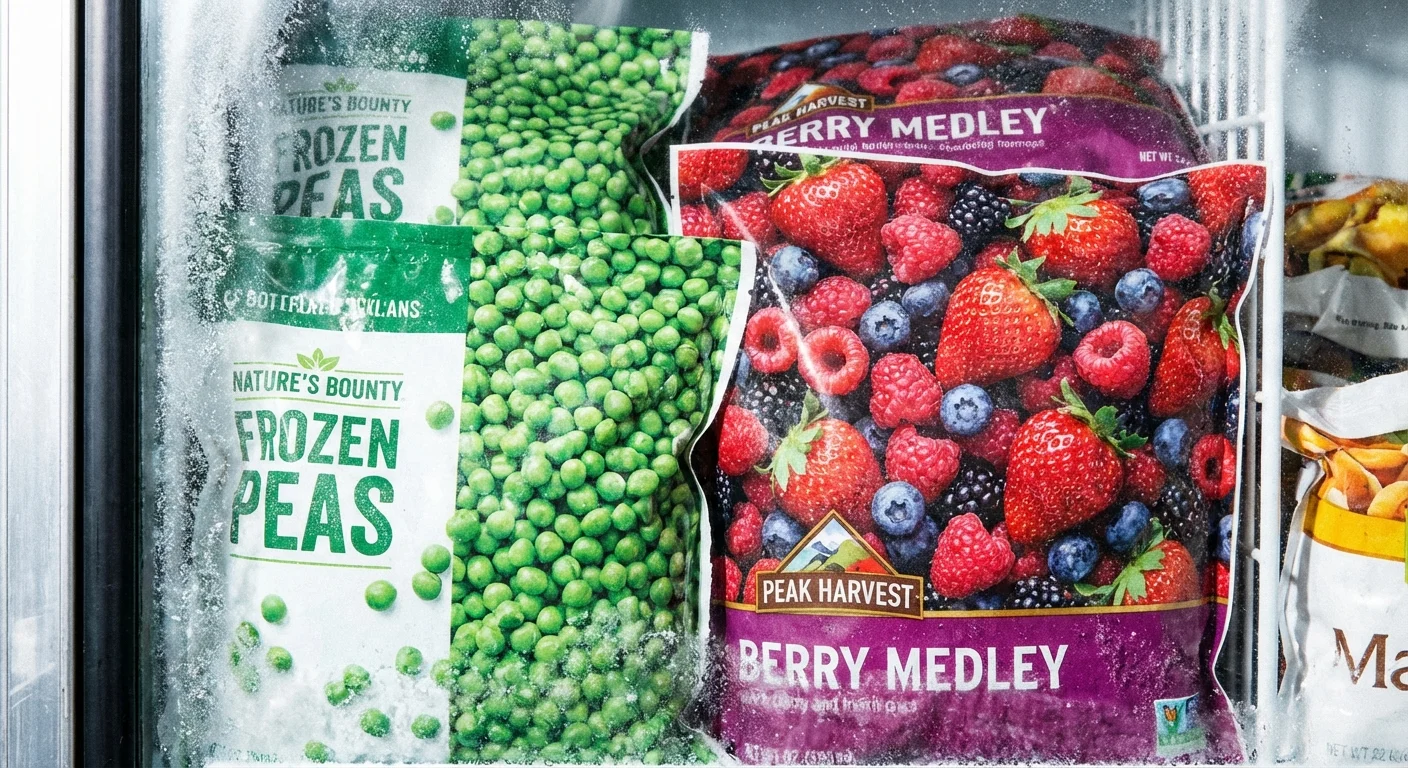
Fresh produce is a luxury, especially when it is out of season. Buying strawberries in January means you are paying for the fuel and logistics required to ship them from thousands of miles away. Not only is the price higher, but the nutritional value is often lower because the fruit was picked before it was ripe.
Instead, follow the seasons. Buy citrus and root vegetables in the winter; buy berries and stone fruits in the summer. When a fruit or vegetable is out of season, head to the freezer aisle. Frozen fruits and vegetables are flash-frozen at the peak of ripeness, locking in nutrients. They are almost always cheaper than the “fresh” versions and they won’t rot in your crisper drawer if you don’t get to them in time.
Using frozen produce is one of the most effective grocery shopping hacks because it eliminates waste. You can take out exactly half a bag of frozen spinach for a smoothie and leave the rest for later. With fresh spinach, you are often racing against a 48-hour clock before the leaves turn into a slimy mess.
Avoiding Common Errors
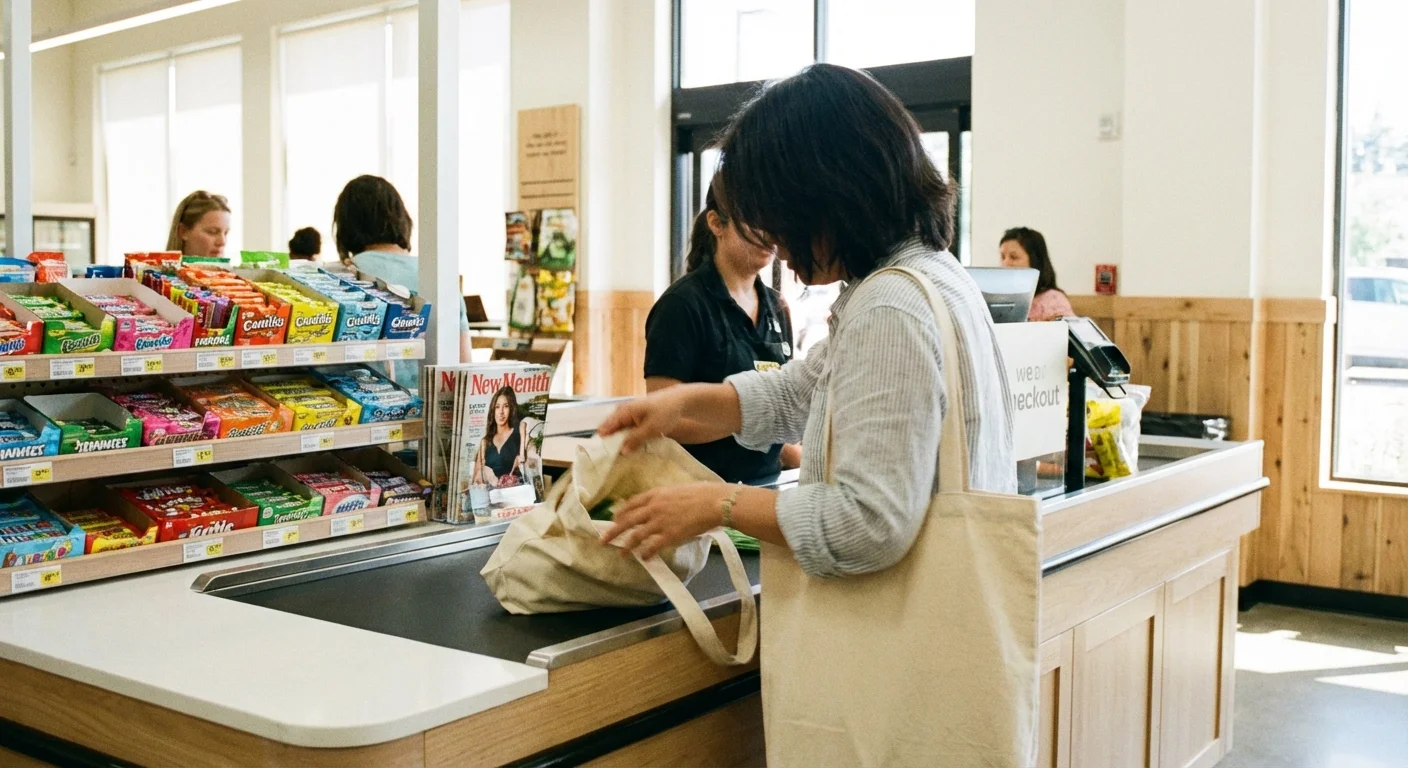
Even the most diligent shoppers make mistakes that inflate their bills. Identifying these patterns is the first step toward correcting them.
- Shopping Without a List: If you don’t have a plan, the store will make one for you. This leads to impulse buys and missing ingredients that force a second trip.
- Shopping While Hungry: Research shows that hungry shoppers buy more high-calorie, expensive processed foods. Eat a small snack before you enter the store to keep your logic in the driver’s seat.
- Overbuying Bulk Items: A 10-pound bag of onions is only a deal if you eat all 10 pounds. If five pounds rot before you use them, you’ve wasted money. Only buy bulk for non-perishables or items you use daily.
- Ignoring the “Reduced for Quick Sale” Section: Most stores have a section for meat and bakery items nearing their “sell-by” date. These are perfectly safe to eat if used or frozen immediately, often at a 50% discount.
When DIY Isn’t Enough
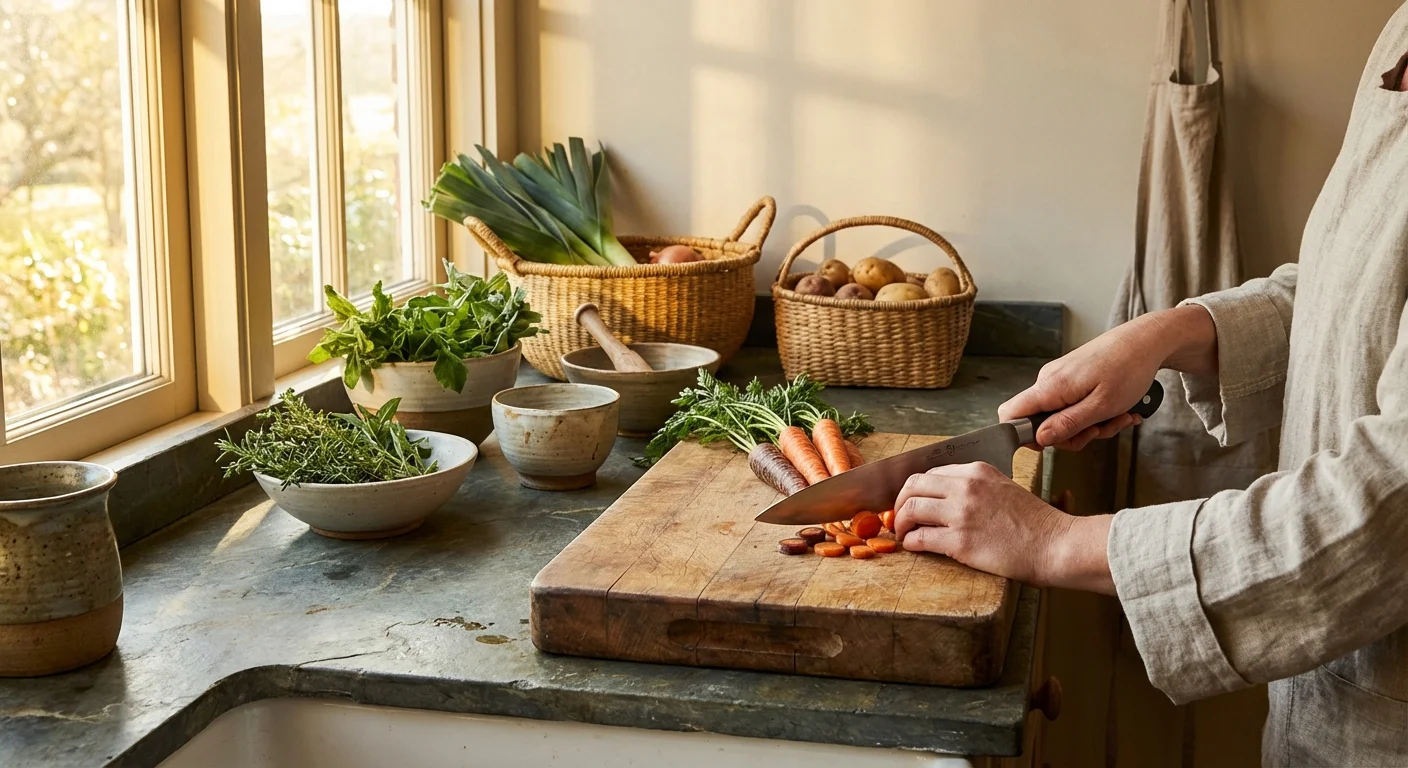
While these hacks will significantly lower your bill, sometimes systemic issues require more than just a smart shopping list. You may need to look for external support or different structures if:
- You live in a “Food Desert”: If your only local option is a high-priced convenience store, you may need to schedule a monthly trip to a wholesale club or use a grocery delivery service that offers competitive pricing.
- Severe Debt is Pressuring Your Budget: If your grocery money is being eaten by high-interest credit card debt, consider reaching out to the National Foundation for Credit Counseling (NFCC) for a debt management plan.
- You Experience Food Insecurity: If cutting 30% still doesn’t make food affordable, explore government resources. You can check your eligibility for benefits at USA.gov.
The “No-List” Strategy for Professional Savers
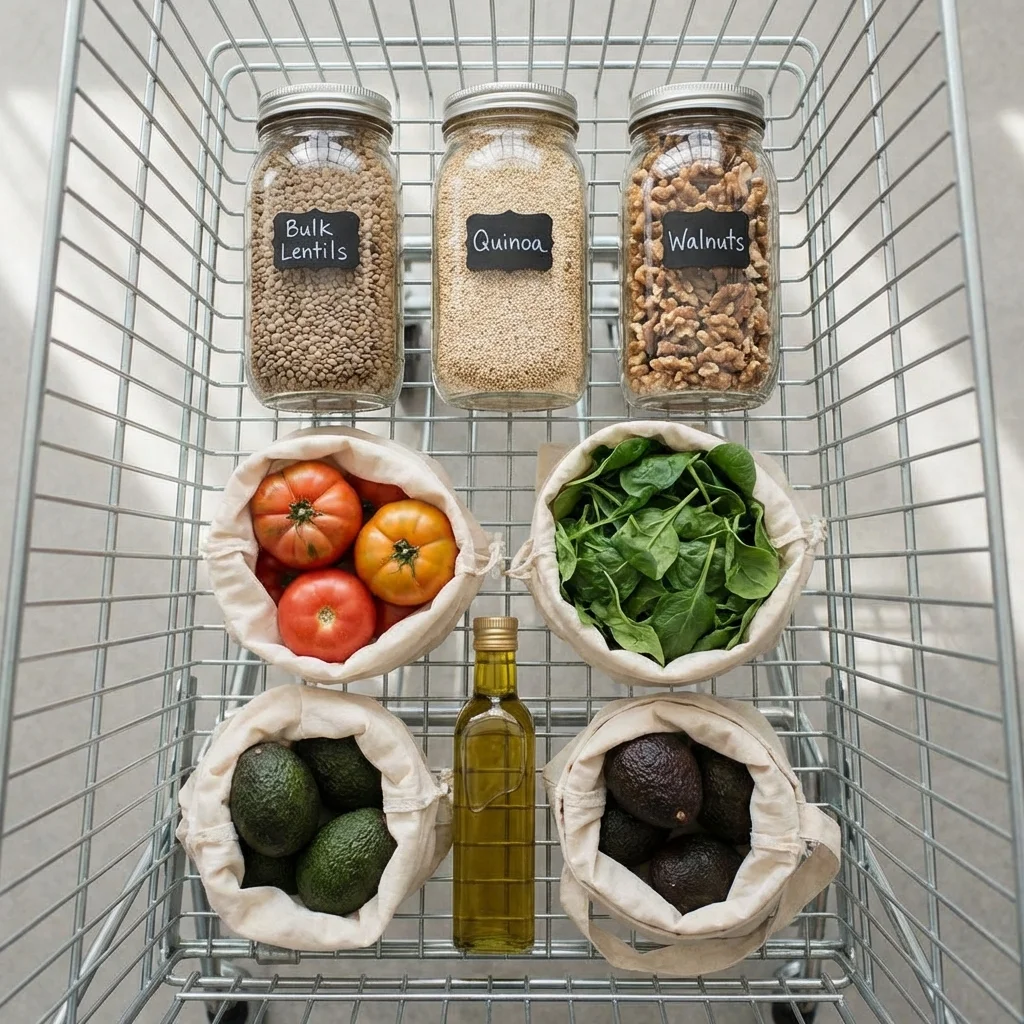
Once you master basic meal planning, you can graduate to “Reverse Shopping.” Instead of deciding what to eat and then going to the store, you go to the store, see what is on a deep discount (the “loss leaders”), and build your meals around those items. This requires a bit more creativity in the kitchen, but it is the fastest way to hit that 30% savings target.
Most stores release a weekly circular (available on their app) featuring 2 or 3 items sold at or below cost to get you in the door. If chicken thighs are $0.99 a pound this week, buy enough for three different meals. If broccoli is on sale, that is your side dish for the week. By letting the sales dictate your menu, you ensure you never pay full price for protein, which is typically the most expensive part of the grocery bill.
Frequently Asked Questions
Is it cheaper to shop at wholesale clubs like Costco or Sam’s Club?
It depends on your household size and shopping habits. For large families, the bulk savings on staples like flour, oil, and toilet paper usually outweigh the membership fee. However, if you find yourself throwing away bulk food or buying “luxury” impulse items you wouldn’t normally buy, a standard grocery store might actually be cheaper.
Does “Organic” always mean more expensive?
Generally, yes. If your goal is strictly to cut your bill by 30%, organic items are an easy place to trim. If you want to prioritize organic for health reasons, use the “Clean Fifteen” and “Dirty Dozen” lists from advocacy groups to decide which items are worth the extra cost and which are safe to buy conventional.
Should I use grocery delivery apps to save time?
While delivery saves time, it usually costs more. Between service fees, delivery tips, and the fact that many apps mark up the individual item prices by 10-20%, you are paying a heavy premium. If you struggle with impulse buys, “Curbside Pickup” is a better middle ground. It keeps you out of the store (reducing impulse buys) but usually has lower fees than home delivery.
Practical Next Steps
Don’t try to implement every single one of these grocery store hacks this afternoon. Start by focusing on the unit price and store brands during your next trip. These two changes alone require zero extra time but offer an immediate return on your investment. Once those become habits, move on to pantry-first meal planning.
Tracking your progress is essential. Save your receipts from this month and compare them to next month after implementing these strategies. Seeing a $300 grocery bill drop to $210 is a powerful motivator to keep going. Every dollar you save at the grocery store is a dollar you can redirect toward your emergency fund, retirement, or paying off debt.
This article provides general financial education and information only. Everyone’s financial situation is unique—what works for others may not work for you. For personalized advice, consider consulting a qualified financial professional such as a CFP or CPA.
Last updated: February 2026. Financial regulations and rates change frequently—verify current details with official sources.








Leave a Reply