
The marketing industry surrounding pregnancy and infancy is a multi-billion dollar machine designed to convince you that your child requires top-of-the-line gear to be safe, happy, and successful. From $1,200 smart bassinets to designer diaper bags that cost more than a mortgage payment, the pressure to spend is relentless. However, a newborn’s actual requirements are remarkably modest. If you strip away the aesthetic nursery trends and focus on core needs, you can prepare for your new arrival for less than $1,000 without sacrificing safety or quality of life.
This guide provides a blueprint for your newborn cost guide, focusing on essential gear, smart sourcing, and financial shifts that prioritize your long-term stability over short-term consumerism. You can navigate this transition with confidence, ensuring your baby has everything they need while keeping your bank account intact.
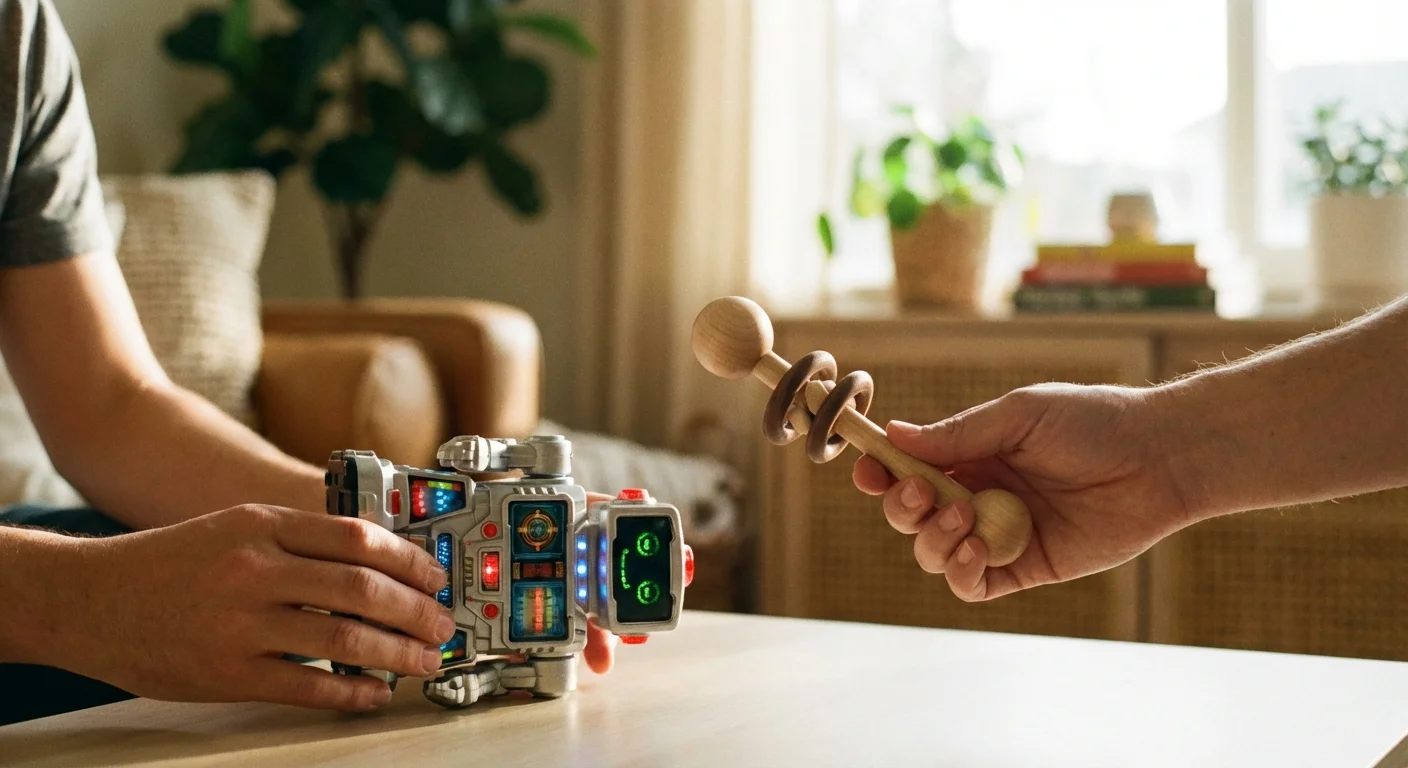
The Psychology of the Baby Industry and How to Resist It
Before you spend a single dollar, recognize that your protective instincts are being leveraged by advertisers. The “nesting” phase often triggers an urge to curate a perfect environment, but your baby will not remember the color of their nursery walls or the brand name on their stroller. They require a safe place to sleep, adequate nutrition, clean clothes, and your undivided attention. Everything else is a convenience or a luxury.
A baby on a budget strategy requires you to categorize every potential purchase into “Essential,” “Helpful,” or “Marketing Hype.” Essentials include a car seat, a safe sleep surface, and basic feeding and hygiene supplies. Most of the items filling up standard registry lists—like wipe warmers, bottle sterilizers, and specialized diaper disposal systems—fall squarely into the hype category. By rejecting the “perfect nursery” narrative, you immediately save hundreds, if not thousands, of dollars.
“We buy things we don’t need with money we don’t have to impress people we don’t like.” — Dave Ramsey, Personal Finance Author and Media Host
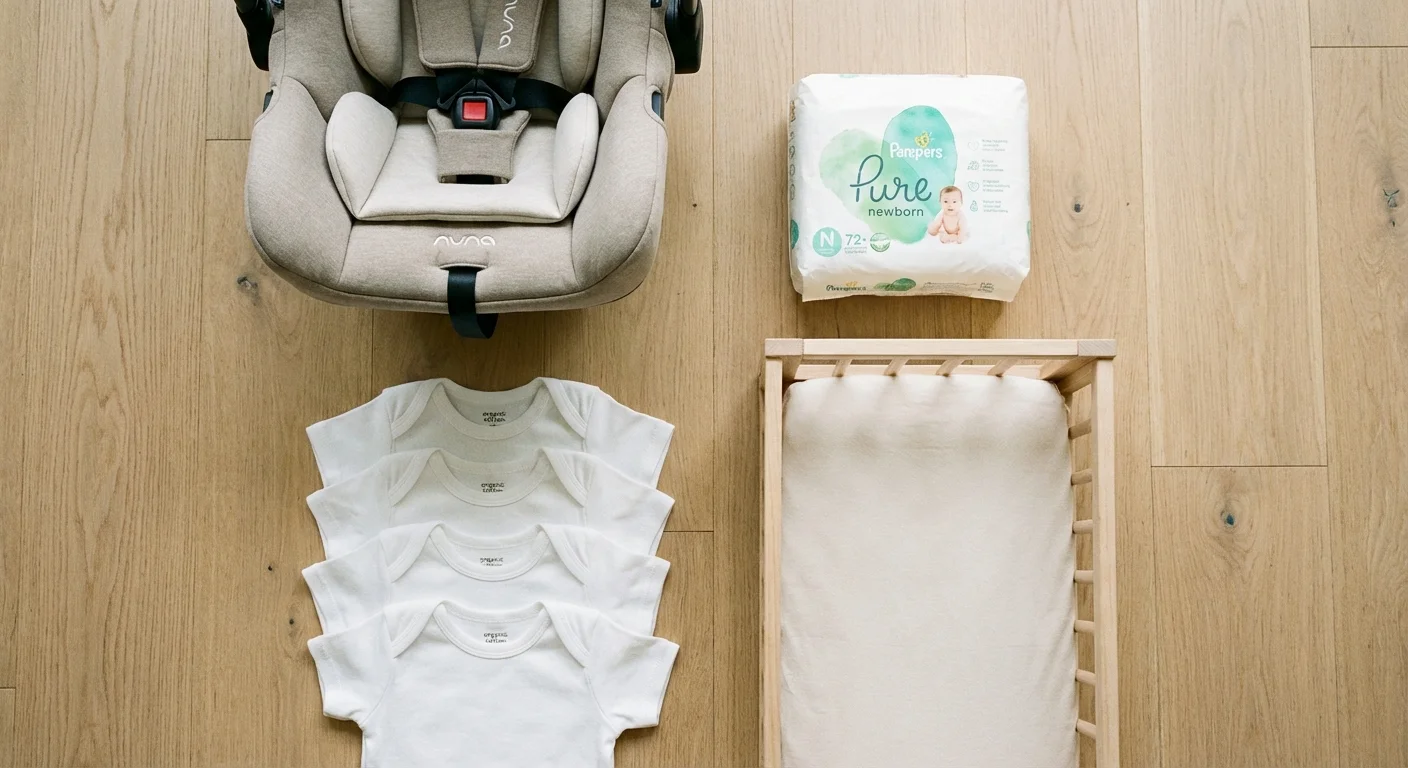
The $1,000 Newborn Budget Breakdown
To stay under the $1,000 mark, you must be strategic about where you buy new and where you source secondhand. The following table outlines a realistic budget for a well-prepared home. These estimates assume you are purchasing some items new (for safety) and others through frugal parenting tips like thrift stores or community groups.
| Category | Essential Items | Target Cost | Sourcing Strategy |
|---|---|---|---|
| Transportation | Car Seat (New) & Basic Stroller | $250 | Buy car seat new; find stroller used. |
| Sleep | Crib or Pack ‘n Play, Mattress, 2 Sheets | $150 | Use a multi-purpose Pack ‘n Play for longevity. |
| Feeding | Bottles, Pump (via insurance), Bibs | $100 | Get the pump free through the ACA; buy bottles new. |
| Clothing | 15-20 Sleepers, Onesies, Socks | $50 | Buy 100% secondhand or via “Buy Nothing” groups. |
| Hygiene/Diapers | Diapers (1 month), Wipes, Basic First Aid | $150 | Store brands; search for registry “welcome boxes.” |
| Miscellaneous | High chair, Bath tub, Baby carrier | $100 | Source exclusively through thrift stores. |
| Buffer | Unexpected needs/Pharmacy runs | $200 | Cash reserve for the first month. |
| Total | $1,000 |
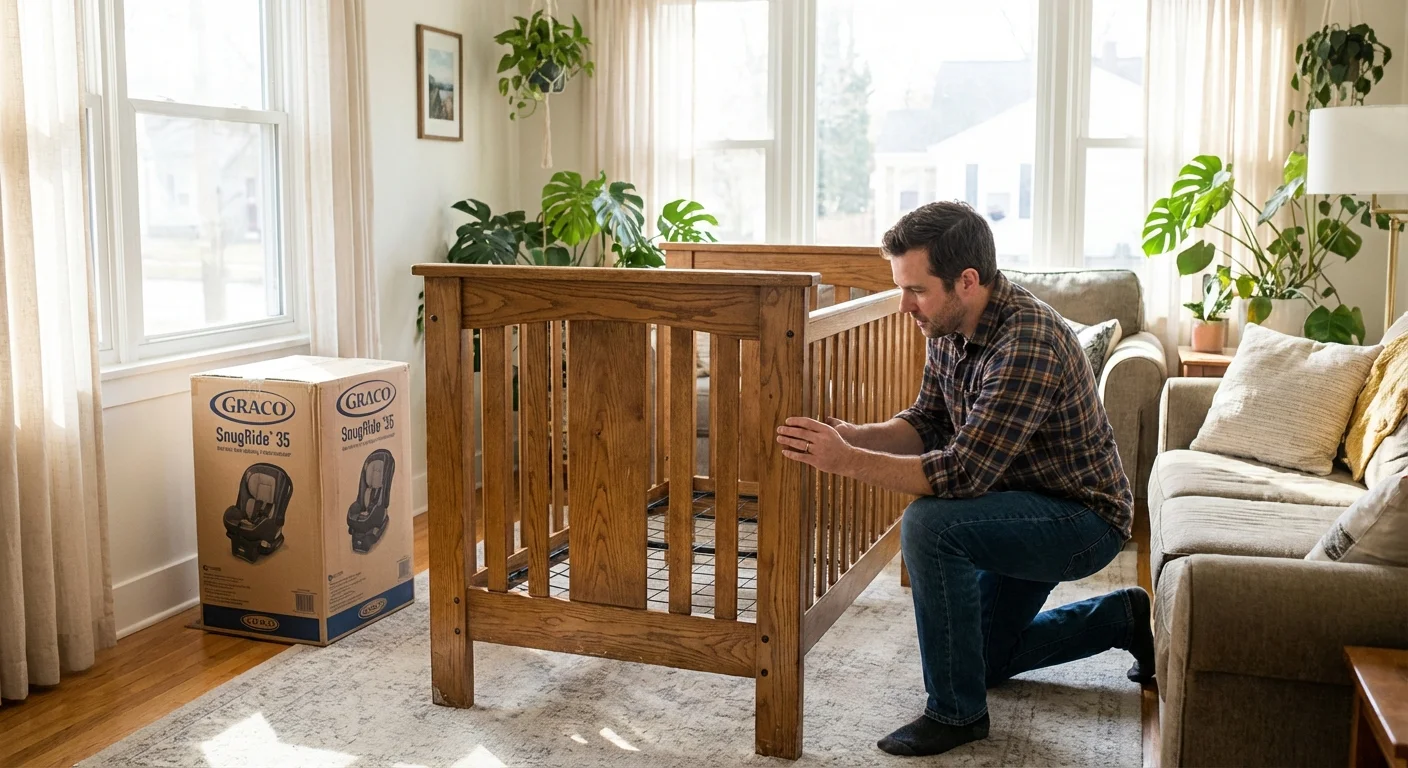
* Let’s go with:
* “A father assembles a wooden crib while a brand-new car seat
The “Golden Rule” of Baby Gear: Buy This New, Everything Else Used
Safety is the only valid reason to pay full retail price. There are exactly two items you should almost always buy new: the car seat and the crib mattress. Car seats have expiration dates and their structural integrity can be compromised in a minor accident that isn’t visible to the naked eye. Similarly, a new crib mattress ensures the surface is firm and free of the mold or bacteria that can accumulate in used foam.
For everything else, the secondhand market is your greatest ally. Babies grow out of clothes and gear so quickly that “used” items are often in pristine condition. Look for these specific resources to find frugal parenting tips in action:
- Facebook Marketplace and Craigslist: Search for “baby bundles.” Parents often want to clear out entire closets of clothes at once for a flat fee.
- Buy Nothing Project: These hyper-local gift economies are goldmines for baby gear. Families often give away high-end strollers and swings simply because they need the space back in their homes.
- Once Upon A Child or Local Thrift Stores: These shops curate used items, ensuring they meet basic quality standards before they hit the floor.
- The “Hand-Me-Down” Network: Tell your friends, coworkers, and family that you are looking for used gear. Many people have strollers or monitors gathering dust in their garage and will be thrilled to give them to someone who will use them.
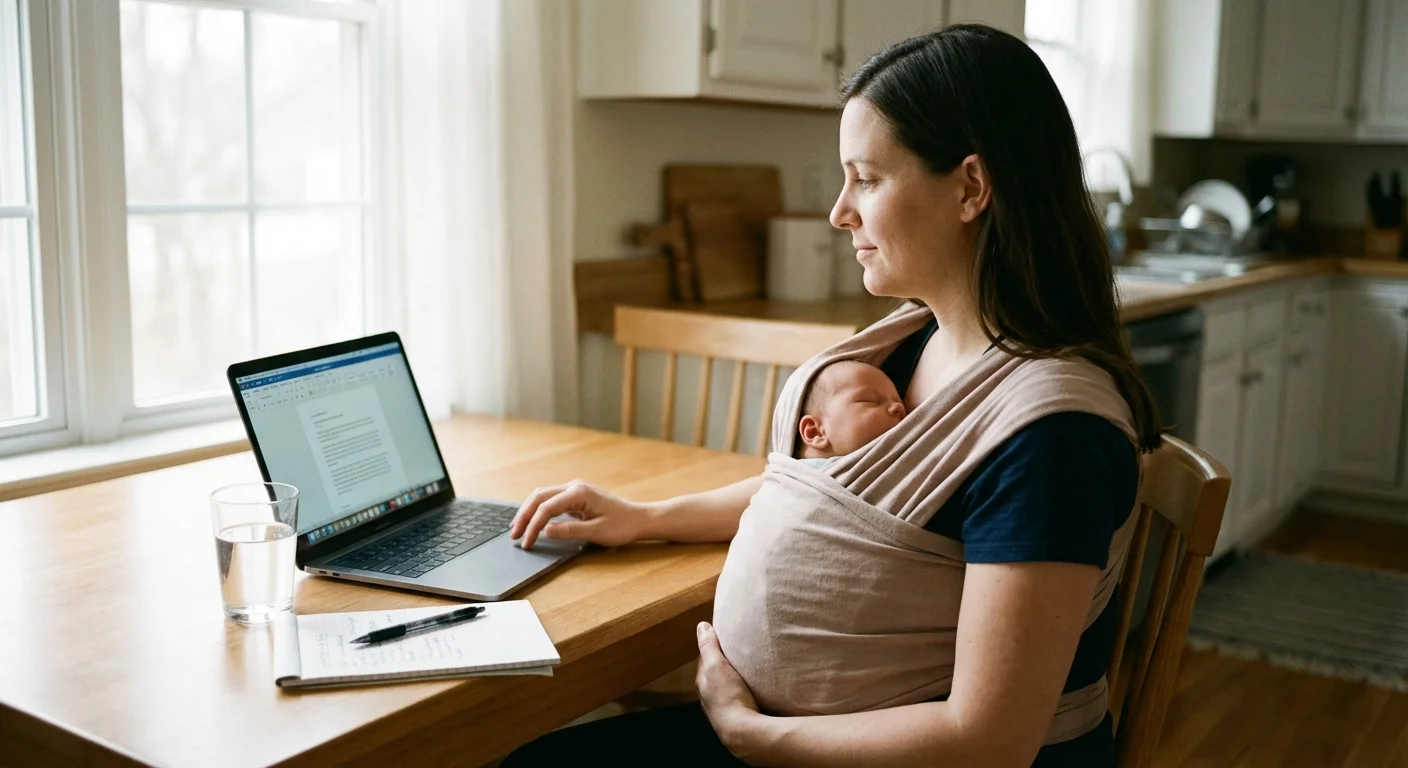
Navigating Healthcare Costs and Insurance
The $1,000 budget covers your physical preparation, but medical costs are a separate, vital component of your financial plan. The cost of childbirth in the United States varies wildly based on your insurance plan and the type of delivery. According to data from the Consumer Financial Protection Bureau (CFPB), medical debt is a leading cause of financial stress for young families. You must understand your “Maximum Out-of-Pocket” limit before the baby arrives.
Maximize your benefits by taking these steps:
- Check your HSA/FSA: If you have a Health Savings Account or Flexible Spending Account, use these pre-tax dollars for prenatal vitamins, co-pays, and even certain baby safety items like thermometers and nasal aspirators.
- Order your free breast pump: Under the Affordable Care Act, most insurance plans must cover the cost of a breast pump. Do not buy one retail until you have contacted your provider.
- Review the “Newborn Add” window: You usually have only 30 days after birth to add your baby to your insurance policy. Missing this window can lead to massive out-of-pocket costs for the baby’s first check-ups.
Building the Registry Without Overspending
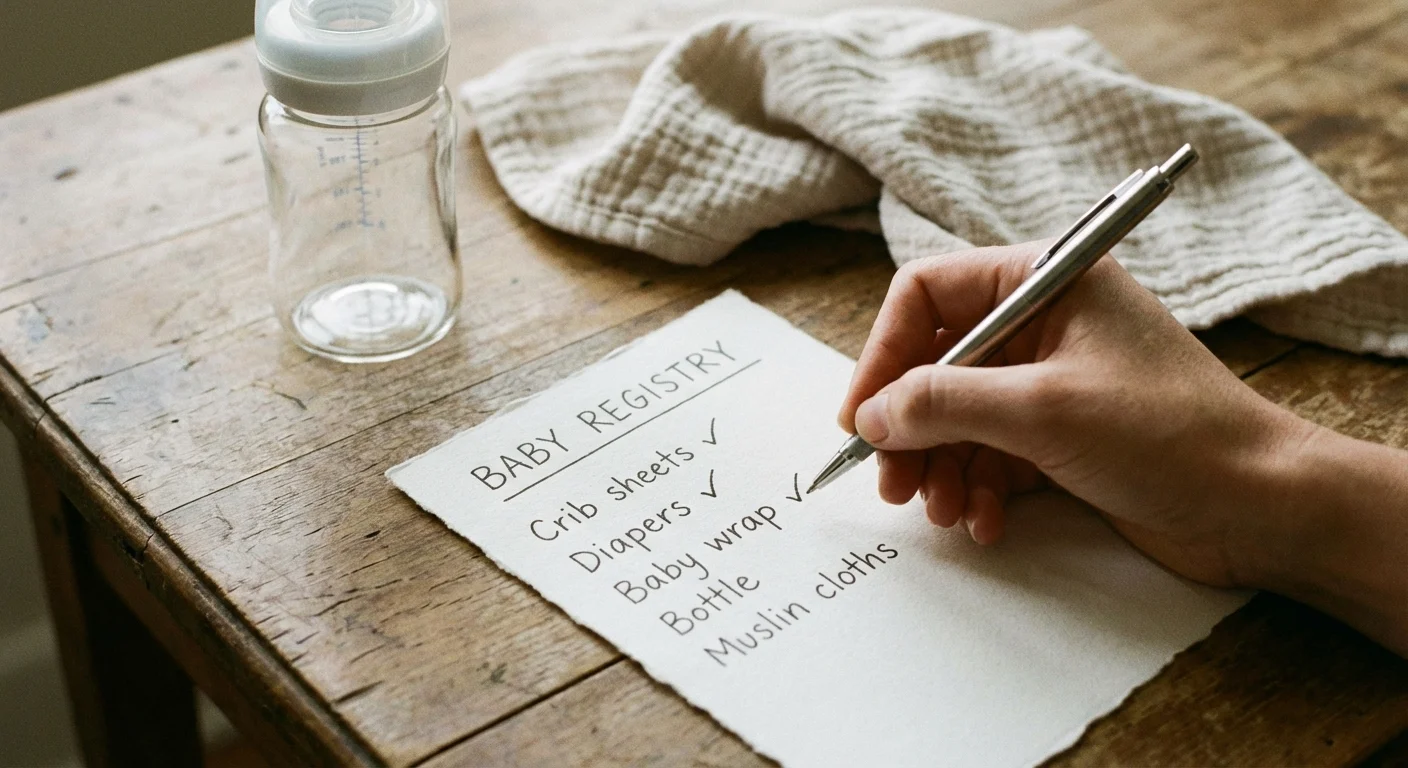
A baby registry is a tool for your friends and family to help you, but it is also a data-gathering tool for retailers. Use it wisely. Instead of filling it with cute outfits (which people will buy anyway, regardless of your list), focus on the high-utility, boring items that save you money later.
Register for consumables. Ask for diapers in various sizes (newborn through size 3), fragrance-free wipes, and unscented laundry detergent. If you have a large social circle, use a “group gifting” feature for the one or two expensive items you truly want, such as a high-quality convertible car seat that will last from infancy through the toddler years. This approach ensures your newborn cost guide remains lean while your pantry stays stocked.
“Price is what you pay. Value is what you get.” — Warren Buffett, Chairman and CEO of Berkshire Hathaway
Pitfalls to Watch For
Even the most disciplined budgeters can fall into traps. Watch for these common mistakes that inflate the cost of a new baby:
- Buying too many “Newborn” size clothes: Many babies outgrow newborn sizes in two weeks, and some are born too large to ever wear them. Focus your budget on 0-3 month and 3-6 month sizes.
- Stockpiling one brand of diapers: Your baby’s skin might react to a specific brand, or the fit might not work for their body shape, leading to “blowouts.” Buy one small pack of several brands before committing to a bulk purchase.
- The “Magic Item” Fallacy: When you are sleep-deprived, you will be tempted to buy any gadget that promises to make the baby sleep. Before hitting “Buy Now” on a $200 vibrating rocker at 3:00 AM, try simpler soothing techniques or look for the item used the next day.
- Forgetting the “After-Birth” Costs: Your budget should account for the mother’s recovery. Items like specialized pads, nursing bras, and easy-to-prepare meals are essential but often overlooked in the excitement of buying baby gear.

Maximizing Government and Community Resources
If your income is limited, do not hesitate to use the safety nets designed for families. These programs exist to ensure every child has a healthy start, regardless of their parents’ current financial situation.
- WIC (Women, Infants, and Children): This program provides federal grants to states for supplemental foods, health care referrals, and nutrition education. Check your eligibility at USA.gov Benefits.
- Local Diaper Banks: Many cities have non-profits dedicated specifically to providing diapers to families in need. Diapers are a significant recurring expense that programs like WIC do not cover.
- Library Programs: Instead of buying expensive “developmental” toys and books, utilize your local library’s children’s section. Many libraries also offer “toy lending” programs and free music or storytime classes for infants.

Getting Expert Help
While most baby preparation can be handled with common sense and a spreadsheet, some situations warrant professional guidance. Consider seeking help in the following scenarios:
- Complex Insurance Disputes: If your insurance company denies coverage for a standard prenatal procedure or the birth itself, a medical billing advocate can help you navigate the appeals process.
- Significant Debt Management: If you are entering parenthood with high-interest consumer debt, contact the National Foundation for Credit Counseling (NFCC) to create a repayment plan that doesn’t compromise your baby’s needs.
- Estate Planning: Now that you have a dependent, you need a will and a named guardian. A legal professional can ensure your child is protected if something happens to you.

Practical Next Steps for Your First Trimester and Beyond
Begin your financial preparation as early as possible. Start by setting aside a “Baby Fund” in a high-yield savings account. Even saving $25 per week from the moment you find out you are pregnant will provide nearly $1,000 by the time the baby arrives. This cash cushion allows you to pounce on deals when you see them on the secondhand market rather than waiting for a paycheck.
Focus on the long-term goal: financial security for your growing family. A baby doesn’t need a perfectly decorated room; they need parents who aren’t stressed about credit card debt. By sticking to a $1,000 preparation budget, you are gifting your child a more stable future. Prioritize your emergency fund and your retirement contributions—like those discussed on Investopedia—over the latest stroller model. Your future self, and your child, will thank you.
The information in this guide is meant for educational purposes. Your specific circumstances—including income, debt, tax situation, and goals—may require different approaches. When in doubt, consult a licensed professional.
Last updated: February 2026. Financial regulations and rates change frequently—verify current details with official sources.









Leave a Reply