
Your smartphone sits on the kitchen counter, offering a tempting shortcut after a grueling day at work. With three taps, a hot meal begins its journey to your doorstep. You justify the expense as a “time-saver” or a “necessary treat,” but these digital conveniences carry a heavy financial burden that often escapes notice until the end of the month. While the individual cost of a meal kit or a delivery order might seem manageable, the cumulative impact on your long-term wealth is staggering.
Modern marketing frames convenience as a basic human right. Companies convince you that you are too busy to chop vegetables or too exhausted to drive to a local restaurant. By dissecting the actual math behind these services, you can reclaim control over your food budget and redirect those hundreds—or thousands—of dollars toward meaningful financial goals like home ownership, retirement, or debt elimination.
The Hidden Math of the Delivery Economy
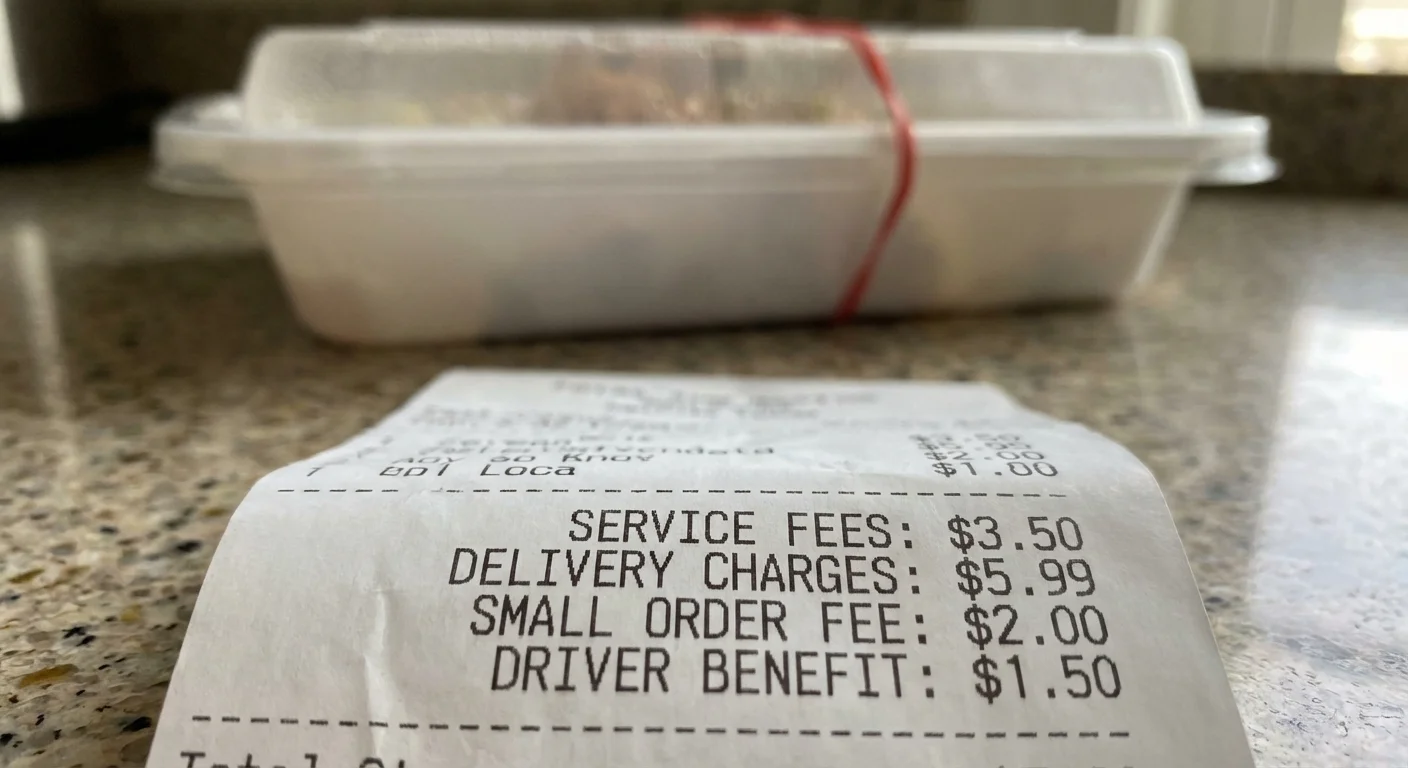
When you order through a delivery app, you are not just paying for food; you are participating in a complex ecosystem of middleman fees. Most users look at the delivery fee and assume that is the extent of the markup. In reality, the “convenience tax” is layered throughout the transaction.
First, consider the menu price markup. Research from Consumer Reports and various independent audits frequently finds that restaurants list items on delivery apps for 15% to 30% more than their in-store prices. This covers the commission the restaurant must pay to the platform. If a burger costs $12 at the counter, it might cost $15.50 on the app before a single fee is even applied.
Next, the service fees and delivery fees enter the equation. Even if you subscribe to a “pro” or “plus” version of an app to waive delivery fees, service fees usually remain. These often fluctuate based on demand or order size. Finally, you must add a tip for the driver. When you aggregate these costs, a meal that would cost $15 if picked up personally often balloons to $28 or $30 when delivered. You essentially pay a 100% markup for the luxury of staying on your couch.
“You have to look at your expenses and say, ‘Is this a need or is this a want?’ If you’re struggling to save, delivery apps are a want that is cannibalizing your needs.” — Suze Orman, Personal Finance Expert

Meal Kits: The Illusion of Efficiency
Meal kit services market themselves as a way to reduce food waste and save you from the “hassle” of grocery shopping. They provide pre-portioned ingredients and glossy recipe cards, promising a chef-quality experience in your own kitchen. However, when you analyze the cost of meal kits vs grocery shopping, the price per serving rarely favors the consumer.
The average meal kit costs between $9 and $13 per person, per meal. For a family of four, one dinner can easily cost $45 to $50. In contrast, the Bureau of Labor Statistics data on food costs suggests that a home-cooked meal using ingredients from a standard grocery store typically costs between $2 and $5 per serving, depending on the protein source. By choosing the kit, you pay roughly triple the price for the exact same ingredients simply because someone else put them in a box and pre-measured the spices.
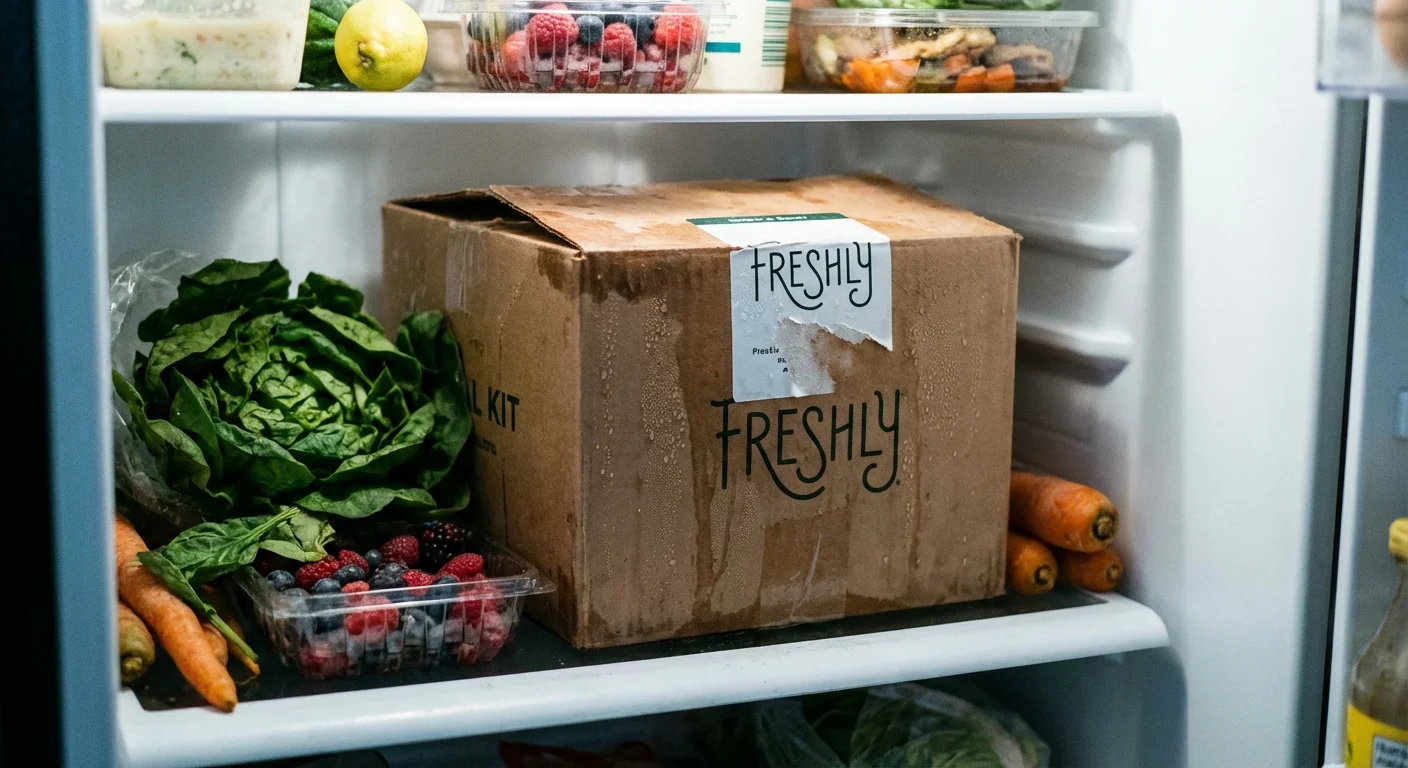
Furthermore, meal kits often lock you into a subscription model. This creates “phantom spending”—money that leaves your account even during weeks when you are too busy to cook the kits, leading to expensive ingredients rotting in the back of your refrigerator. This irony defeats the primary marketing claim of “reduced food waste.”

Comparing the Costs: A Real-World Breakdown
To visualize how these choices impact your wallet, look at the following comparison for a standard dinner consisting of chicken, roasted vegetables, and a side of grains for two people.
| Factor | Grocery Store (DIY) | Meal Kit Subscription | Delivery App (Restaurant) |
|---|---|---|---|
| Base Cost | $7.50 | $22.00 | $32.00 |
| Markup/Fees | $0.00 | $9.99 (Shipping) | $12.00 (Fees + Tip) |
| Total for 2 People | $7.50 | $31.99 | $44.00 |
| Annual Cost (3x/week) | $1,170.00 | $4,990.44 | $6,864.00 |
The difference is not just a few dollars here and there. Transitioning from delivery apps to home cooking just three nights a week can save you over $5,500 per year. That is enough to fully fund a Roth IRA or create a significant emergency fund. You can find resources on building that initial safety net at Investor.gov.
The Psychology of the One-Click Purchase
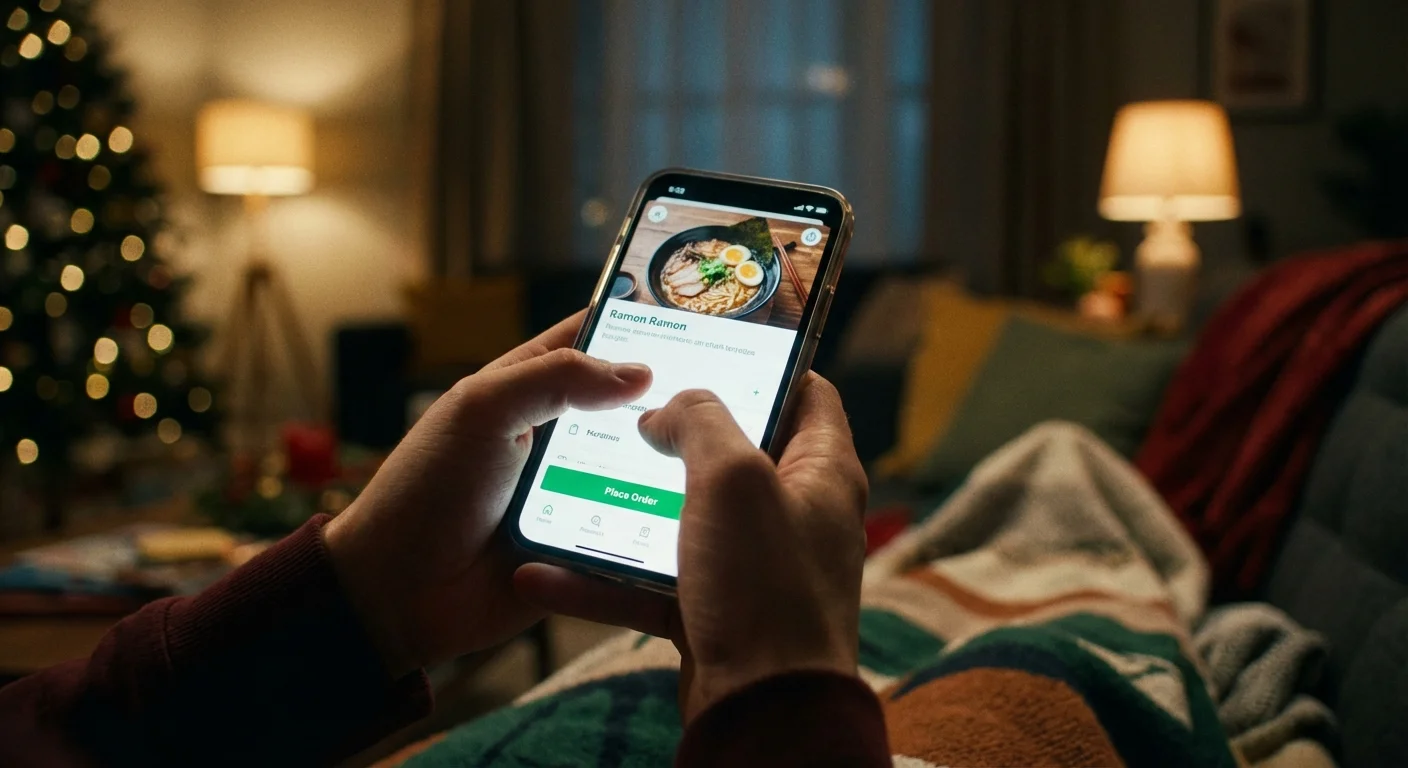
Delivery apps and meal kits thrive on “frictionless” commerce. When you have to drive to a store, navigate aisles, and wait in a checkout line, your brain has multiple opportunities to evaluate the purchase. This friction acts as a natural barrier to impulsive spending.
Digital platforms remove these barriers. They save your credit card information, offer one-click ordering, and use “gamified” notifications to trigger hunger and urgency. You might receive a push notification at 5:30 PM offering “50% off your next delivery,” which sounds like a deal. However, after the marked-up menu prices and service fees, that 50% discount often only brings the price down to what you would have paid if you had picked up the food yourself. The “discount” is an illusion designed to get you to spend money you hadn’t planned to spend.

Strategies to Reclaim Your Food Budget
Saving money on food does not require you to spend five hours every Sunday “meal prepping” like a fitness influencer. You can find a middle ground that respects both your time and your financial goals. Use these actionable strategies to lower your costs without sacrificing your sanity.
- Master the “Grocery Pickup” Compromise: Most major grocers now offer free or low-cost curbside pickup. This provides the same convenience as a delivery app—you don’t have to walk through the store—but you pay the standard grocery prices. It also prevents impulsive “snack buys” because you aren’t browsing the aisles.
- The 10-Minute Meal Inventory: Keep “emergency” meals in your freezer. A $5 bag of frozen stir-fry vegetables and a box of pasta can be cooked in less time than a delivery driver takes to arrive. When you have a 10-minute option at home, the temptation to order out diminishes.
- Audit Your Subscriptions: Check your bank statement for recurring meal kit charges or delivery “pass” fees. If you haven’t used the service at least four times in the last month, the subscription fee is likely a net loss for your budget.
- Reverse the Order: Instead of looking at an app when you are hungry, look at your calendar. If you know Tuesday nights are hectic, plan for a slow-cooker meal that morning. Planning is the greatest enemy of convenience-based overspending.
“Beware of little expenses; a small leak will sink a great ship.” — Benjamin Franklin (as often quoted in personal finance literature)

Professional vs. Self-Guided: Managing Your Food Systems
Deciding how to manage your nutrition and budget involves a trade-off between time, skill, and capital. Here is how to determine which approach fits your current life stage.
Scenario 1: The High-Earner with Zero Time
If you earn a high hourly rate and truly have no time to cook, a meal kit might actually be more “efficient” than delivery because it ensures you eat at home. However, you should still consider a “semi-homemade” approach: buying pre-washed greens and rotisserie chickens from a grocer. This offers the same time savings as a meal kit at 40% of the cost.
Scenario 2: The Budget-Builder
If you are currently paying down high-interest debt or building an emergency fund, delivery apps are a luxury you cannot afford. In this stage, self-guided grocery shopping and meal planning are non-negotiable. Use tools like the National Foundation for Credit Counseling to see how much faster you could pay off debt by reallocating your delivery budget.
Scenario 3: The Learning Cook
If you use meal kits to “learn how to cook,” set a deadline. Use the service for four weeks to learn basic techniques and flavor profiles, then transition to buying the same ingredients yourself. Use the recipe cards you already have as your shopping list.
Common Mistakes to Avoid
Many people attempt to cut back on convenience spending but fall into common traps that lead them right back to the apps. Avoid these pitfalls to ensure your budget stays on track.
- The “All-or-Nothing” Mentality: Don’t vow to never order out again. You will likely fail and feel ashamed. Instead, set a “Delivery Budget” of $50 a month. Once it’s gone, you have to wait until next month.
- Ignoring the “Small Order” Fee: Ordering a single $12 sandwich often triggers a “small order fee” of $2 to $3. If you must order, order enough for two meals to spread the fees over more food, or better yet, pick it up.
- Falling for “Free Delivery” Trials: These trials are designed to build a habit. Once the trial ends, you are psychologically conditioned to use the app, and you may forget to cancel the recurring monthly charge.
- Neglecting Your Pantry Staples: Often, people order out because they lack a single ingredient. Investing $40 once in spices, oils, and grains ensures that you always have the “base” of a meal ready to go.

The Long-Term Impact on Your Wealth
The true cost of a $40 delivery order isn’t just the $40 today. It is the $40 plus the compounded interest that money could have earned over the next 20 years. If you save $200 a month by cutting back on meal kits and delivery apps and invest that money in a low-cost index fund (a strategy often advocated by John Bogle and the Bogleheads community), you could have over $100,000 extra in your retirement account after 20 years, assuming a 7% annual return.
Convenience is a product sold to you at a premium. When you buy it, you are trading your future financial freedom for a few minutes of saved labor today. By becoming a conscious consumer and recognizing the “hidden taxes” within these apps, you empower yourself to make choices that serve your bank account as much as they serve your stomach.
Take a look at your bank statement from the last 30 days. Highlight every meal kit charge and delivery app transaction. Total them up. If that number surprises you, don’t feel guilty—use it as fuel. Start by deleting one app today or skipping one kit delivery next week. Small, consistent changes in your food habits are often the fastest way to “find” extra money in an otherwise tight budget.
This article provides general financial education and information only. Everyone’s financial situation is unique—what works for others may not work for you. For personalized advice, consider consulting a qualified financial professional such as a CFP or CPA. Last updated: February 2026.









Leave a Reply