
The rising cost of travel often forces many retirees to tighten their belts just when they finally have the time to explore the country. If you have visited a major destination like Grand Canyon National Park or Yellowstone recently, you likely noticed that vehicle entrance fees now hover around $35 per visit. For a budget-conscious traveler, these costs add up quickly; however, the federal government offers a specialized gateway to the American wilderness that pays for itself in just a few trips. If you are 62 or older, you have access to one of the best financial deals in the United States—the America the Beautiful Senior Pass.
While the standard Senior Pass carries a modest one-time fee, several paths exist to secure a lifetime of park access for absolutely no out-of-pocket cost. Whether you are living on a fixed Social Security income or simply want to maximize your travel budget, understanding the nuances of these federal programs ensures you never pay an entrance fee again. This guide breaks down the eligibility requirements, the application process, and the specific ways you can bypass the fees entirely to claim your “free” pass to over 2,000 federal recreation sites.
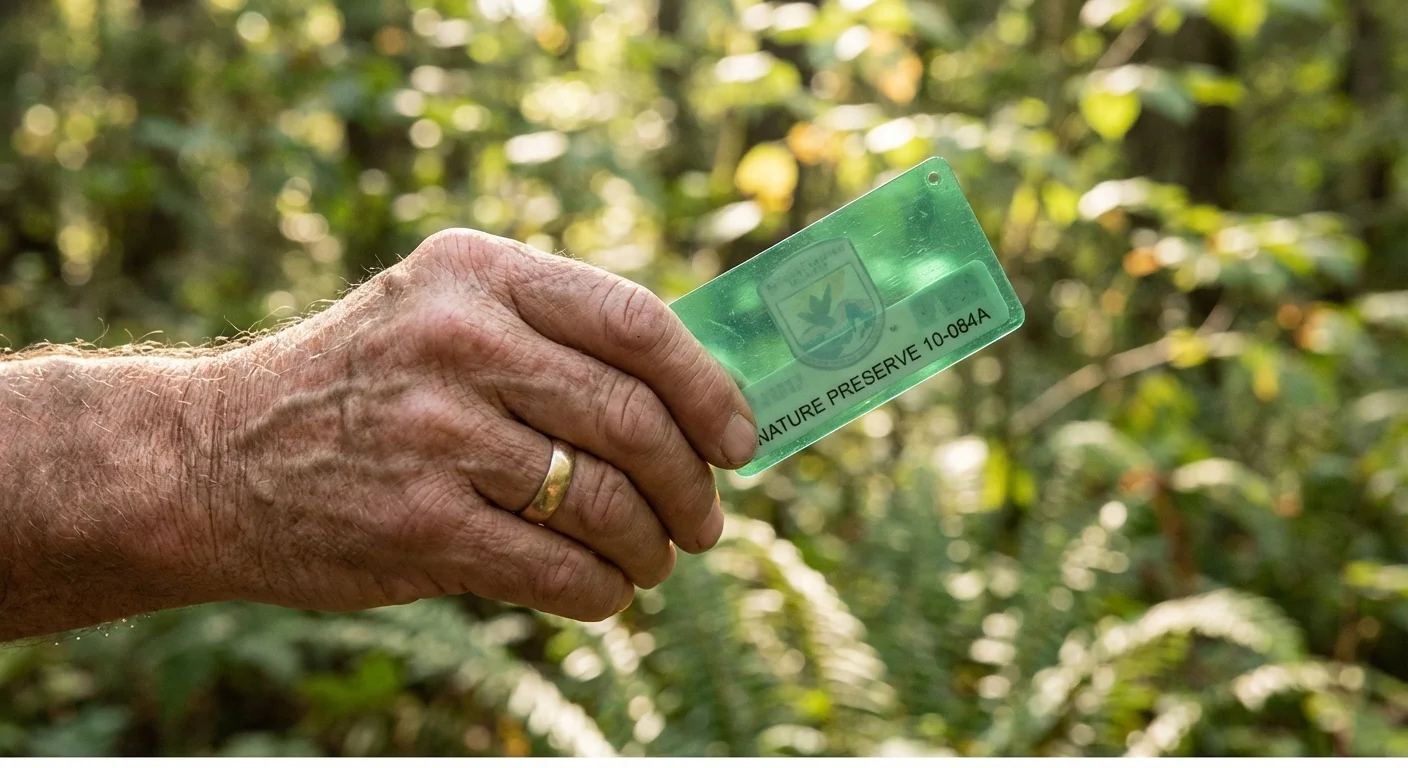
The True Financial Value of the Senior Pass
Before diving into the “how-to” of obtaining the pass, you should understand the “why.” The America the Beautiful pass series covers more than just the 63 “National Parks” you see on postcards. It grants entry to land managed by the National Park Service, the U.S. Forest Service, the Fish and Wildlife Service, the Bureau of Land Management, the Bureau of Reclamation, and the U.S. Army Corps of Engineers. This includes national forests, wildlife refuges, and even certain national monuments in the heart of major cities.
Consider the math for a moment. If you plan a road trip through the “Grand Circle” in Utah and Arizona, you might visit Zion, Bryce Canyon, Capitol Reef, Arches, and the Grand Canyon. Without a pass, you would pay $175 in entrance fees alone. The Senior Pass turns that $175 expense into a zero-dollar line item on your budget. As Warren Buffett famously said:
“Price is what you pay. Value is what you get.” — Warren Buffett, Chairman and CEO of Berkshire Hathaway
By securing this pass, you are obtaining thousands of dollars in lifetime value for a fraction of the cost—or in some cases, for free.
The Three Main Paths to a Free or Low-Cost Pass
You essentially have three options when seeking a Senior Pass. While the traditional Senior Pass involves a fee, two other federal passes are available to seniors that cost zero dollars. You should evaluate which category you fit into before spending any money.
1. The Interagency Access Pass (Completely Free)
If you are a U.S. citizen or permanent resident with a permanent disability, you qualify for the Access Pass. Many seniors do not realize that “permanent disability” does not necessarily mean you are unable to walk or work. According to federal guidelines, the disability must be a permanent physical, mental, or sensory impairment that substantially limits one or more major life activities. This can include conditions often associated with aging, provided they meet the legal definition of a permanent impairment. The Access Pass is free for a lifetime and provides the exact same benefits as the Senior Pass.
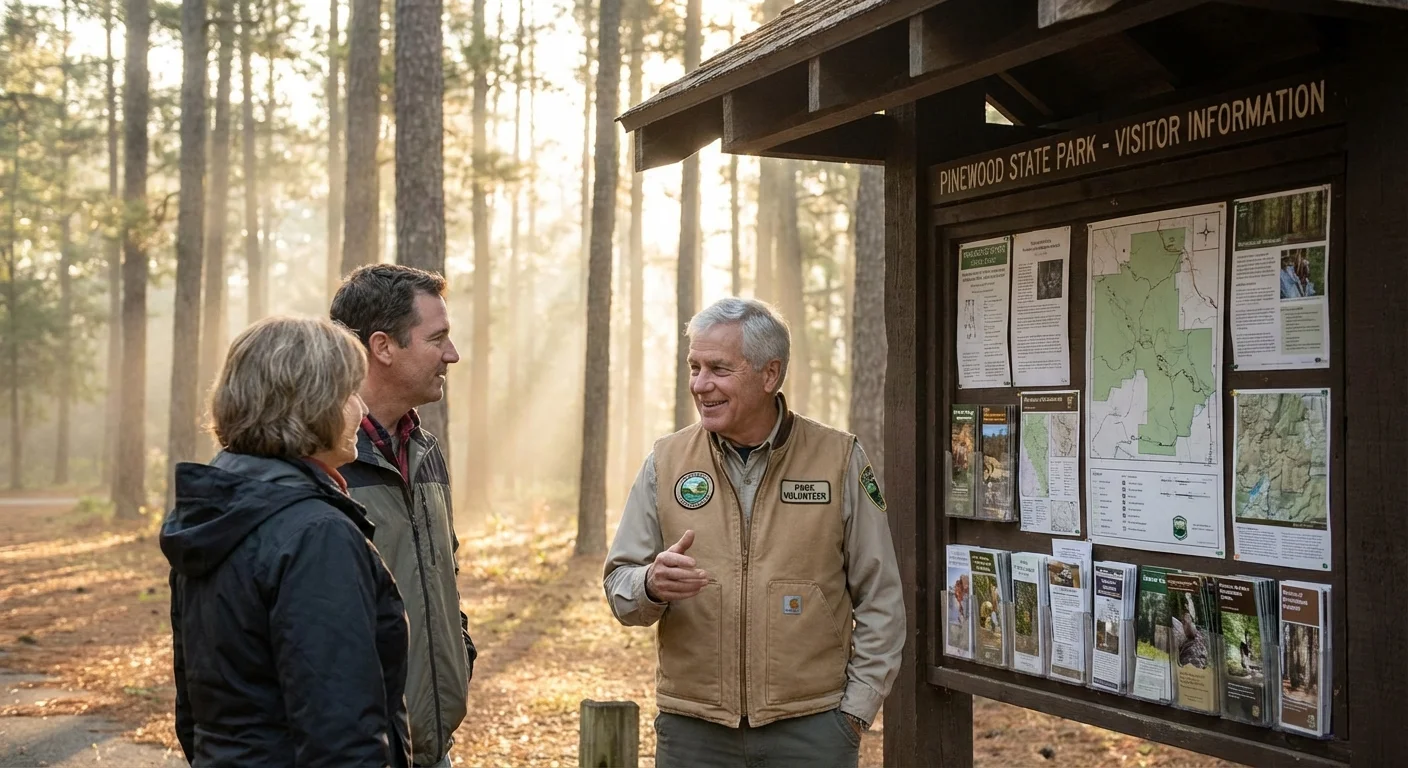
2. The Volunteer Pass (Completely Free)
If you have time to give, the federal government will trade you a pass for your service. The Volunteer Pass is available to anyone who logs 250 service hours with participating federal agencies. Many seniors find that volunteering as a “campground host” or working in a park visitor center provides both social fulfillment and a free pass. Once you reach the 250-hour threshold, you receive a pass that is valid for one full year from the date of issue. While this is not a “lifetime” pass like the standard Senior option, it costs $0 and can be renewed annually through continued service.
3. The Senior Lifetime or Annual Pass (Low Cost)
If you do not qualify for an Access Pass and do not wish to volunteer, the standard Senior Pass is your best bet. While not strictly “free,” the cost is remarkably low. You can choose between a $20 Annual Senior Pass or an $80 Lifetime Senior Pass. If you purchase the annual version for four consecutive years, you can trade those four expired annual passes in for a lifetime pass at no additional cost. You can learn more about federal benefit eligibility at USA.gov Benefits.

Eligibility Requirements You Must Meet
To qualify for any version of the Senior Pass, you must meet two primary criteria. First, you must be a U.S. citizen or a permanent resident. Temporary residents or tourists from other countries do not qualify for this specific discount. Second, you must be at least 62 years of age. You become eligible the very day you turn 62; you do not need to wait until you are “full retirement age” as defined by the Social Security Administration.
When you apply, you must provide proof of both age and residency. Accepted documents include:
- A valid U.S. State-issued Driver’s License
- A valid U.S. State-issued ID Card
- A valid U.S. Passport or Passport Card
- A permanent resident card (Green Card)
How to Apply Without Paying Extra Fees
You can obtain your pass in three different ways. However, if you want to keep the cost as low as possible, you must choose your method carefully. The government adds processing fees to certain application methods that you can easily avoid.
Option A: In-Person (The Most Cost-Effective)
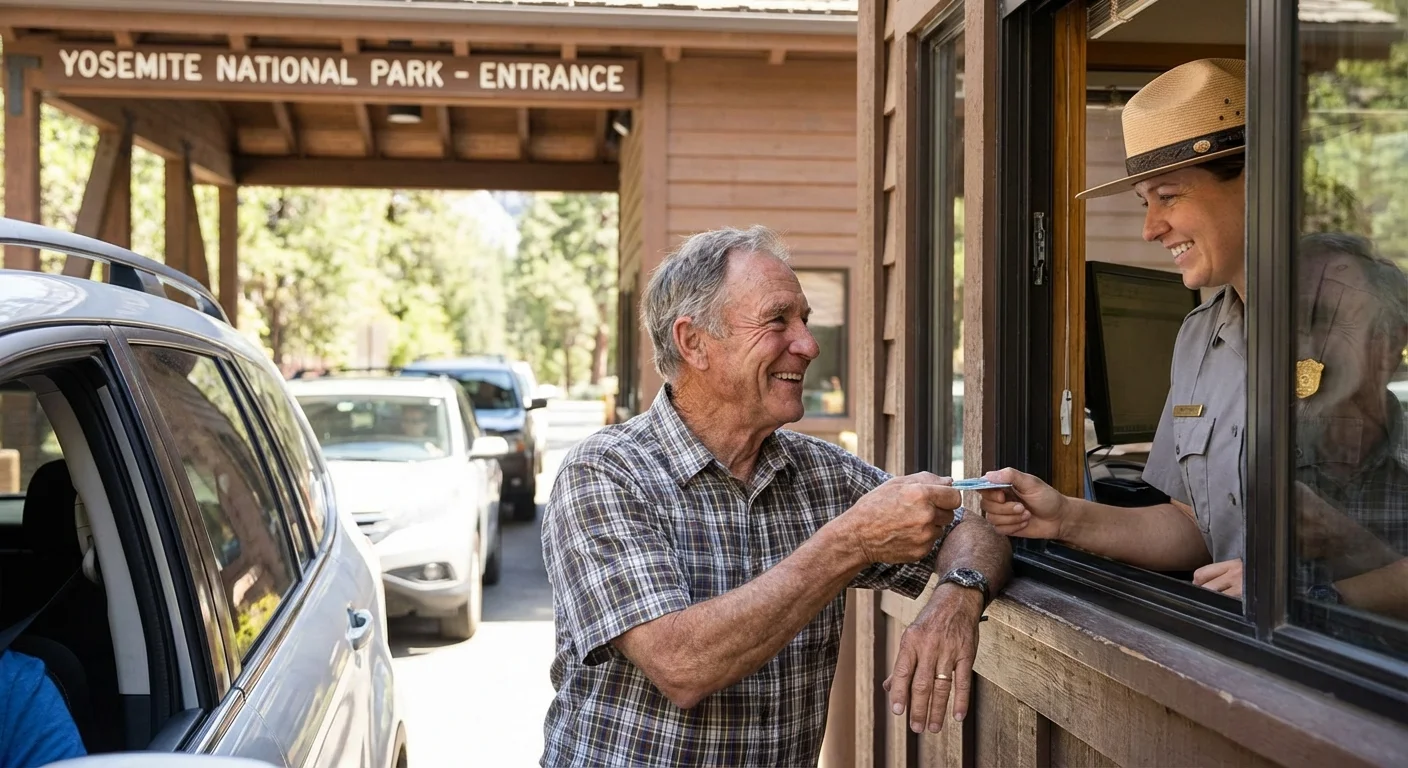
The best way to get your pass is to visit a federal recreation site in person. Most national parks, regional Forest Service offices, and Bureau of Land Management offices sell the passes at their entrance stations or visitor centers. When you buy in person, you pay exactly $80 for the lifetime pass (or $0 for the Access Pass) with no hidden “handling” or “processing” fees. You walk away with the physical card in your hand and can use it immediately.
Option B: Online via the USGS Store
You can order the pass online through the U.S. Geological Survey (USGS) website. While convenient, this method is the most expensive. The USGS charges an additional $10 processing fee for the Senior Pass and the Access Pass. If you are trying to get the “free” Access Pass, ordering it online means you will actually pay $10 for the convenience of mail delivery. If you are on a strict budget, avoid the online store and find a local federal office instead.
Option C: Through the Mail
Like the online option, mail-in applications require a $10 processing fee. You must download the application form, print it, and mail it in with copies of your identification. This method is generally reserved for those who cannot travel to a physical location and do not have reliable internet access.

Comparing Your Pass Options
| Pass Type | Cost (In-Person) | Validity Period | Best For… |
|---|---|---|---|
| Senior Lifetime Pass | $80.00 | Lifetime | Seniors 62+ who plan to visit parks for many years. |
| Senior Annual Pass | $20.00 | One Year | Seniors 62+ on a tight budget or testing out park travel. |
| Access Pass | $0.00 | Lifetime | Seniors with a permanent disability. |
| Volunteer Pass | $0.00 | One Year | Active seniors who can commit 250 hours of service. |
Professional vs. Self-Guided: Choosing Your Travel Style
When you have your pass in hand, you must decide how to use it. The Senior Pass opens doors, but how you walk through them depends on your physical comfort and financial goals. Consider these scenarios to determine which approach fits your lifestyle:
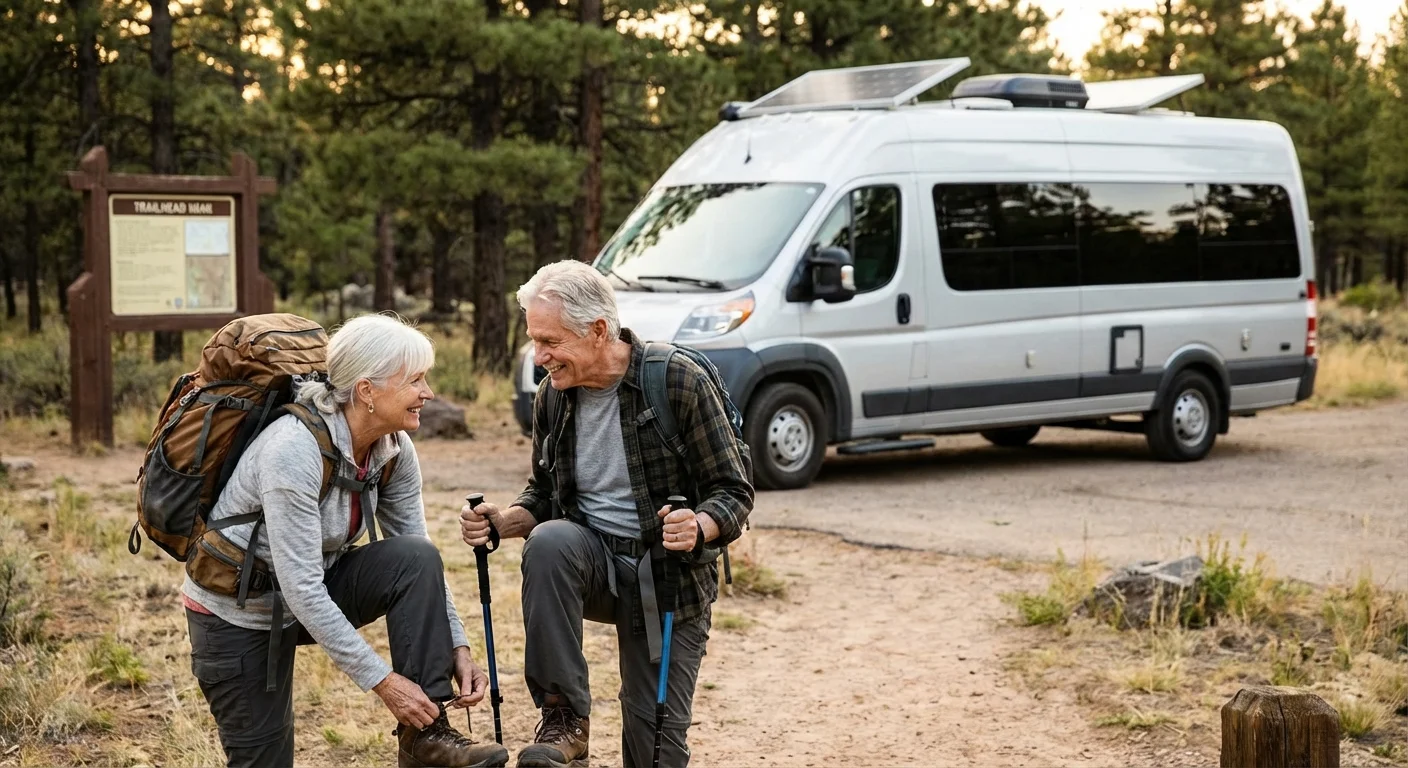
The Self-Guided Adventurer: This is the most budget-friendly route. You use your pass to enter the park, drive your own vehicle, and hike the trails at your own pace. With the Senior Pass, your entrance fee is $0. You can use the money you saved to invest in high-quality gear or a more comfortable vehicle. This is ideal if you value solitude and want to minimize interaction with large tour groups.
The Professional Tour Option: Many seniors prefer to join organized bus tours or hire private guides. If you book a commercial tour, your Senior Pass may still be useful. Commercial tour operators often ask if you have a pass; if you do, they may deduct the entrance fee from your tour price. However, you are still paying for the guide’s expertise and the convenience of transportation. This is best if you have mobility concerns or want to learn deep geological and historical context without doing the research yourself.
The Hybrid Approach: Many national parks offer “Ranger-Led Programs” that are free for all visitors. You enter the park for free with your pass and then join a professional ranger for a walk or a lecture. This gives you professional-level insight without the cost of a private tour company.

The Hidden “Expanded Amenity” Discounts
The Senior Pass and Access Pass offer more than just free entry. They provide a 50% discount on “Expanded Amenity Fees.” This is where the real savings accumulate for budget-conscious travelers. The 50% discount typically applies to:
- Individual campsites (but usually not large group sites)
- Swimming fees
- Boat launch fees
- Guided tours led by park staff (such as cave tours at Mammoth Cave)
- Certain specialized parking fees
For example, if a campsite at a National Forest costs $24 per night, you will pay only $12 with your Senior Pass. If you spend 20 nights a year camping, the pass saves you $240 annually on top of the entrance fees. Note that these discounts do not apply to private concessions, such as gift shops, restaurants, or lodges like the El Tovar at the Grand Canyon. You should always check with the specific facility to verify if the discount applies before you arrive.

Common Mistakes to Avoid
Even with a pass in hand, simple errors can lead to unexpected costs or frustration at the gate. You should be aware of these common pitfalls:
Forgetting the Physical Card: Digital photos or scans of your pass are not accepted at entrance stations. You must present the physical, signed card along with a matching photo ID. If you forget your card at home, you will have to pay the full entrance fee, and these fees are generally non-refundable.
Assuming the Pass Covers Everyone: For parks that charge a “per vehicle” fee, the pass covers the pass holder and all passengers in a single, non-commercial vehicle. However, at sites that charge a “per person” fee (like certain historic sites), the pass only covers the pass holder and up to three additional adults. Children under 16 are always free.
Mistaking the Senior Pass for a State Park Pass: The America the Beautiful pass is a federal program. It does not grant you free entry into State Parks (like those in New York, California, or Florida). Many states have their own senior pass programs, but they are separate entities with separate fees.
Buying from Unauthorized Third Parties: Only purchase your pass from official government sites or at the park gates. Scammers sometimes create websites that look official but charge exorbitant “assistance fees” to process your application. Stick to USGS.gov or physical park locations.
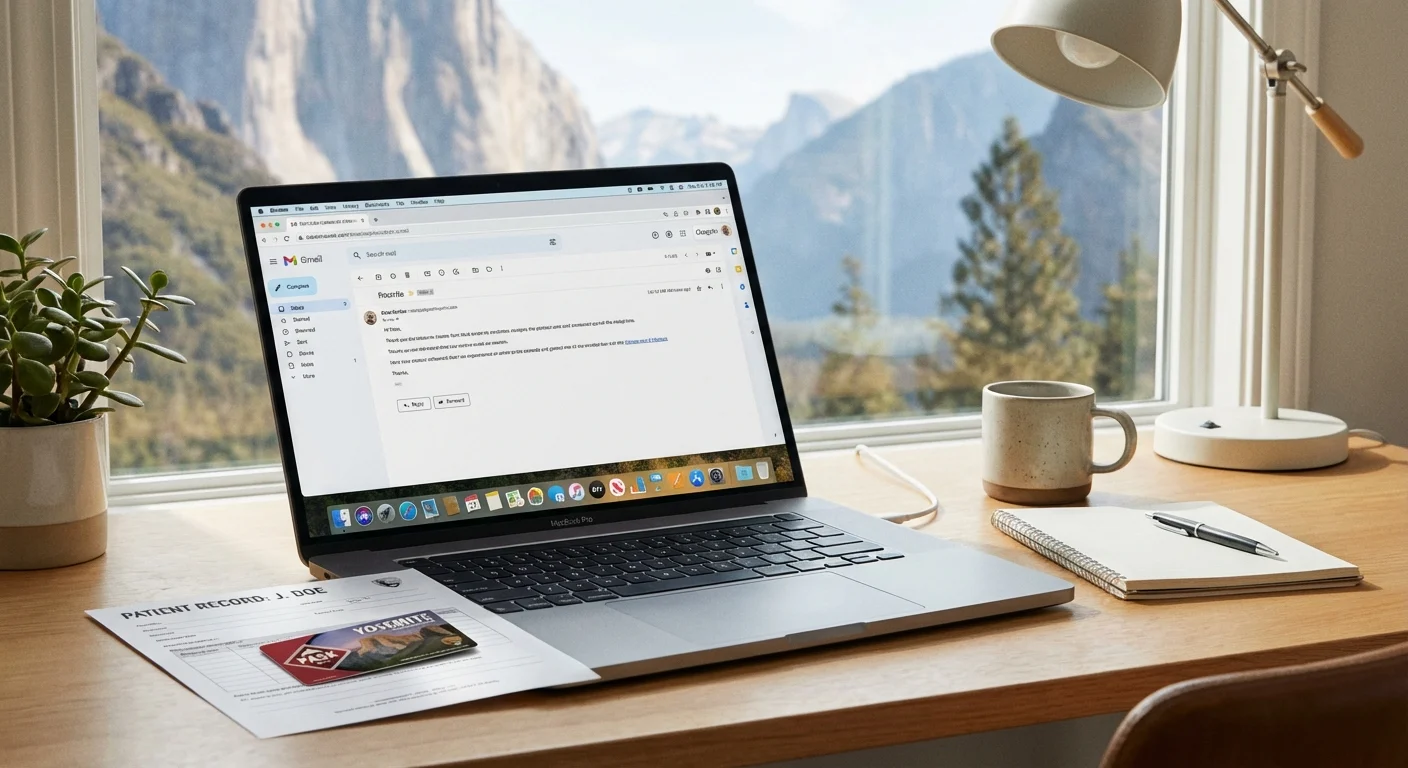
Applying for the Access Pass: The Document Requirements
If you are applying for the free Access Pass based on a permanent disability, you must provide specific documentation. You can prove your eligibility through one of the following:
- A statement by a licensed physician (stating that you have a permanent physical, mental, or sensory impairment)
- A document issued by a federal agency such as the Veteran’s Administration (VA), Social Security Administration (SSA) Income Statement, or Civil Service Retirement System (CSRS)
- A document issued by a state agency, such as a vocational rehabilitation agency
The documentation must clearly state that the disability is permanent. If you have questions about whether your condition qualifies, you can consult the Consumer Financial Protection Bureau for resources on disability rights and financial protections, or speak with your primary care physician about providing a letter of support.
Frequently Asked Questions
Can I share my pass with my spouse or friends?
The Senior Pass is non-transferable. It belongs to you and you alone. You must sign the back of the card immediately upon receiving it. While the pass covers everyone in your vehicle, you must be present in the vehicle for the pass to be valid. You cannot lend your pass to a friend for their own trip.
Does the pass expire?
The $80 Lifetime Senior Pass and the Access Pass never expire. The $20 Annual Senior Pass is valid for 12 months from the month of purchase. If you buy the annual pass, keep your expired cards; as mentioned earlier, four of them can be traded in for a lifetime version.
What happens if I lose my pass?
The federal government does not replace lost or stolen passes. Because the cards are not linked to a central digital database that park rangers can access at the gate, there is no way for them to “look you up.” If you lose your pass, you must buy a new one at the current price. You should treat your pass like cash and keep it in a secure location.
Can I use my pass for international parks?
No, the pass only covers U.S. federal recreation sites. It is not valid in Canada, Mexico, or any other international park system.
Maximizing Your Investment
Once you have secured your pass, the next step is to use it effectively to improve your financial well-being. Travel is often one of the largest expenses in retirement, but the National Park system offers a way to see the most beautiful parts of the country for very little money. If you combine your Senior Pass with a fuel-efficient vehicle and smart grocery shopping, you can take a cross-country vacation for less than the cost of a single week at a luxury resort.
John Bogle, the founder of Vanguard and a champion of low-cost investing, often emphasized the importance of reducing “drag” on your finances. He said:
“The miracle of compounding returns is overwhelmed by the tyranny of compounding costs.” — John Bogle, Founder of The Vanguard Group
While Bogle was talking about investment fees, the same logic applies to your lifestyle. By eliminating recurring costs like park entrance fees and halving your camping expenses, you reduce the “financial drag” on your retirement savings. This allows your money to last longer and your experiences to be richer.
You should consider downloading the official National Park Service (NPS) app before you head out. The app allows you to download park maps for offline use—a critical feature since many parks have no cell service. You can also filter for sites that offer the specific senior discounts you are looking for.
The National Park Senior Pass is more than just a piece of plastic; it is an invitation to remain active, engaged, and curious throughout your retirement years. Whether you are standing on the rim of a canyon, walking through a silent forest, or exploring a historic battlefield, you are accessing the heritage of the United States. Getting your pass for free or at a steep discount is a savvy financial move that ensures your golden years are spent making memories rather than managing expenses. Take your ID to the nearest federal recreation site today and claim your access to the great American outdoors.
The information in this guide is meant for educational purposes. Your specific circumstances—including income, debt, tax situation, and goals—may require different approaches. When in doubt, consult a licensed professional.
Last updated: February 2026. Financial regulations and rates change frequently—verify current details with official sources.









Leave a Reply