
Most consumers view thrift stores as cluttered repositories for things people no longer want. They see stained t-shirts, chipped mugs, and outdated electronics. However, seasoned financial minimalists and savvy shoppers see something entirely different—an arbitrage opportunity. Thrifting isn’t just about saving a few dollars on a pair of jeans; it is a strategic approach to acquiring professional-grade gear for a fraction of its retail cost. Whether you need high-performance outdoor apparel, premium kitchenware, or reliable electronics, the secondhand market offers a path to high-end ownership without the high-end price tag.
Every dollar you save by buying a pre-owned Patagonia jacket or an All-Clad skillet is a dollar that can go toward your emergency fund, your Roth IRA, or your mortgage principal. Mastering the art of secondhand shopping guide strategies allows you to decouple your standard of living from your level of spending. This guide provides the technical skills you need to navigate thrift aisles like a professional, ensuring you bring home quality items that last for years rather than junk that ends up in the trash.
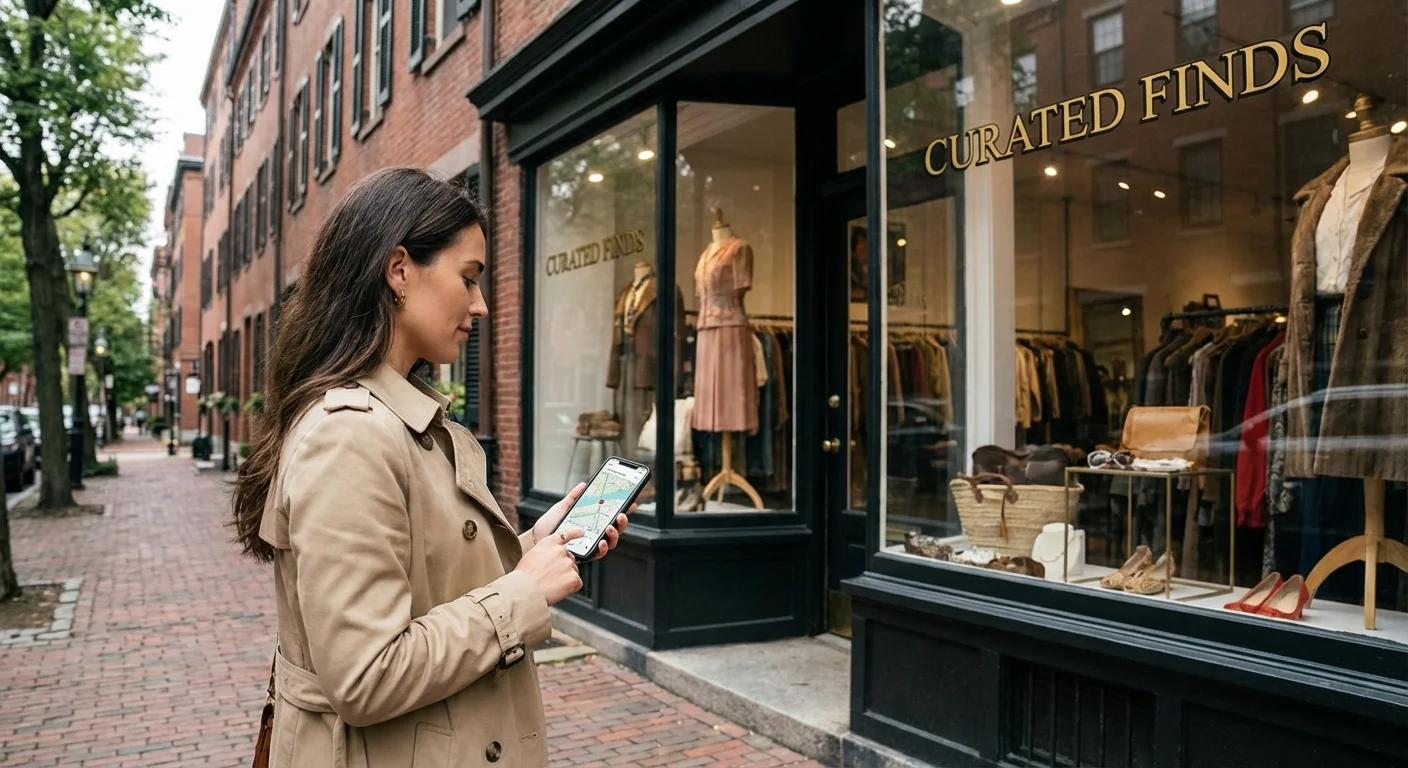
The Essentials of a Thrifting Strategy
Success in thrift stores requires more than just walking through the door and hoping for the best. You need a systematic approach. Before you drive to the nearest donation center, consider these foundational principles of buying used gear:
- Location is everything: Stores in affluent zip codes often receive higher-quality donations. Wealthier donors frequently drop off “last season’s” premium brands that still have years of life left.
- Frequency beats luck: Inventory at thrift stores turns over daily. The pro who visits for fifteen minutes twice a week will find better gear than the amateur who spends four hours once a month.
- Know your brands: You must recognize quality before you see the price tag. Research heritage brands known for lifetime warranties or superior construction—think Filson for bags, Le Creuset for cookware, or Bose for audio.
- Ignore the size tag: Vintage sizing differs wildly from modern “vanity” sizing. Furthermore, items often end up in the wrong section. Trust your eyes and your measuring tape over the label.
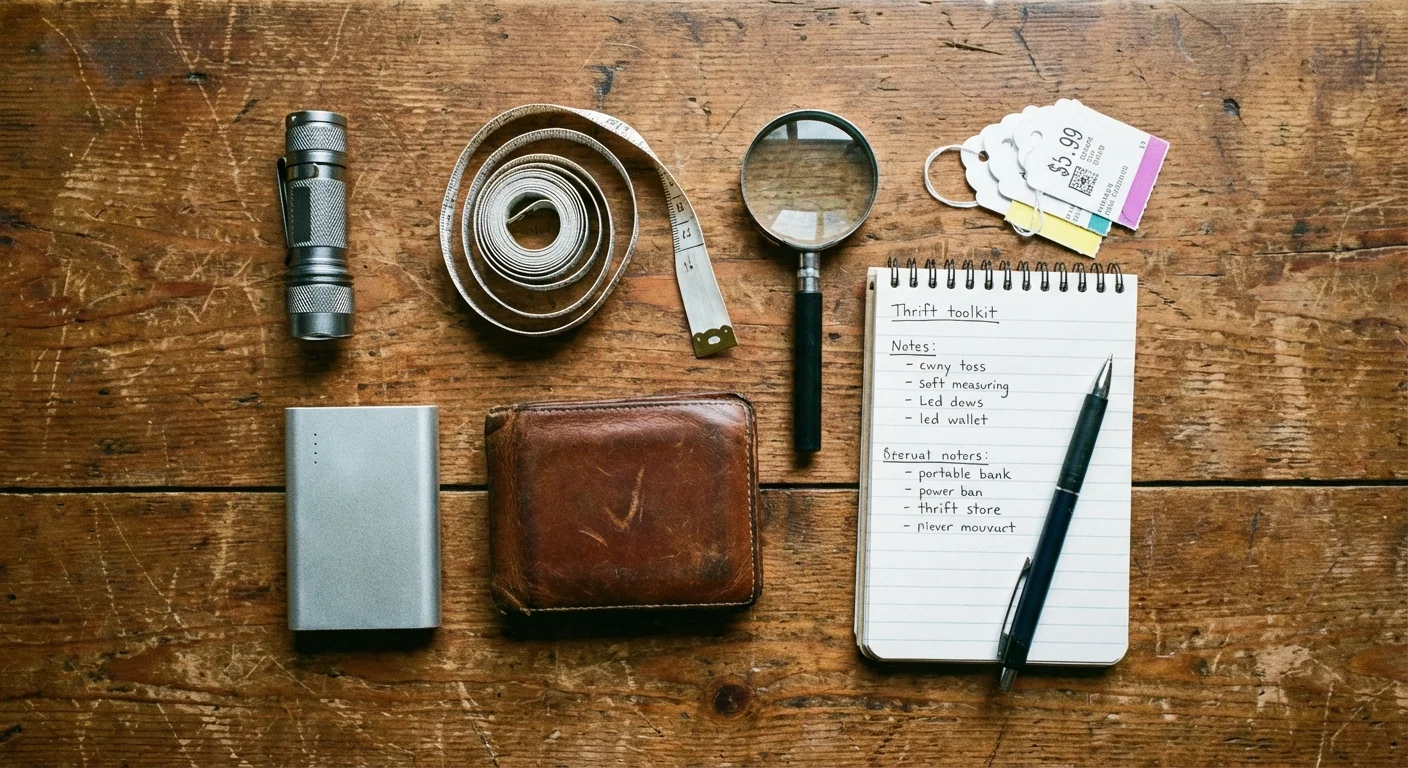
Building Your Thrifter’s Toolkit
Professional thrifters don’t rely on guesswork; they carry tools to verify the integrity of their finds. Keeping a small kit in your car or bag can prevent expensive mistakes. Consider carrying a small, high-lumen LED flashlight to inspect dark corners of bags or check for pinholes in fabric. A portable battery pack and a multi-head USB cable allow you to test electronics on the spot. Finally, a soft sewing tape measure is vital for verifying dimensions of furniture or clothing fit without needing a dressing room.
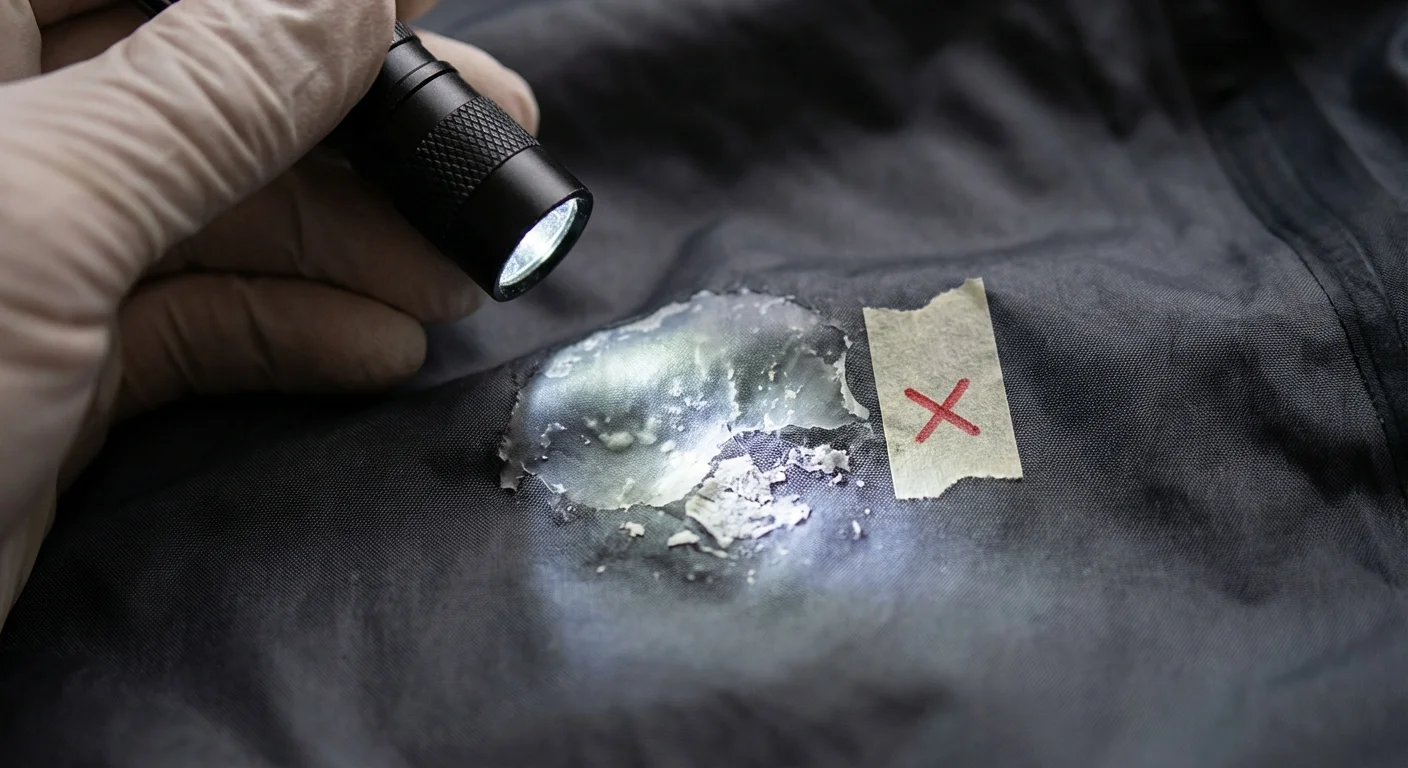
Checking for quality is an active process. When you find a piece of outdoor gear, use your flashlight to look for “delamination” in waterproof layers—this looks like bubbling or peeling on the inside of a jacket. If you see it, put the item back; that gear has reached the end of its functional life. According to Consumer Reports, assessing the physical condition of used goods is the single most important step in ensuring a product’s safety and longevity.
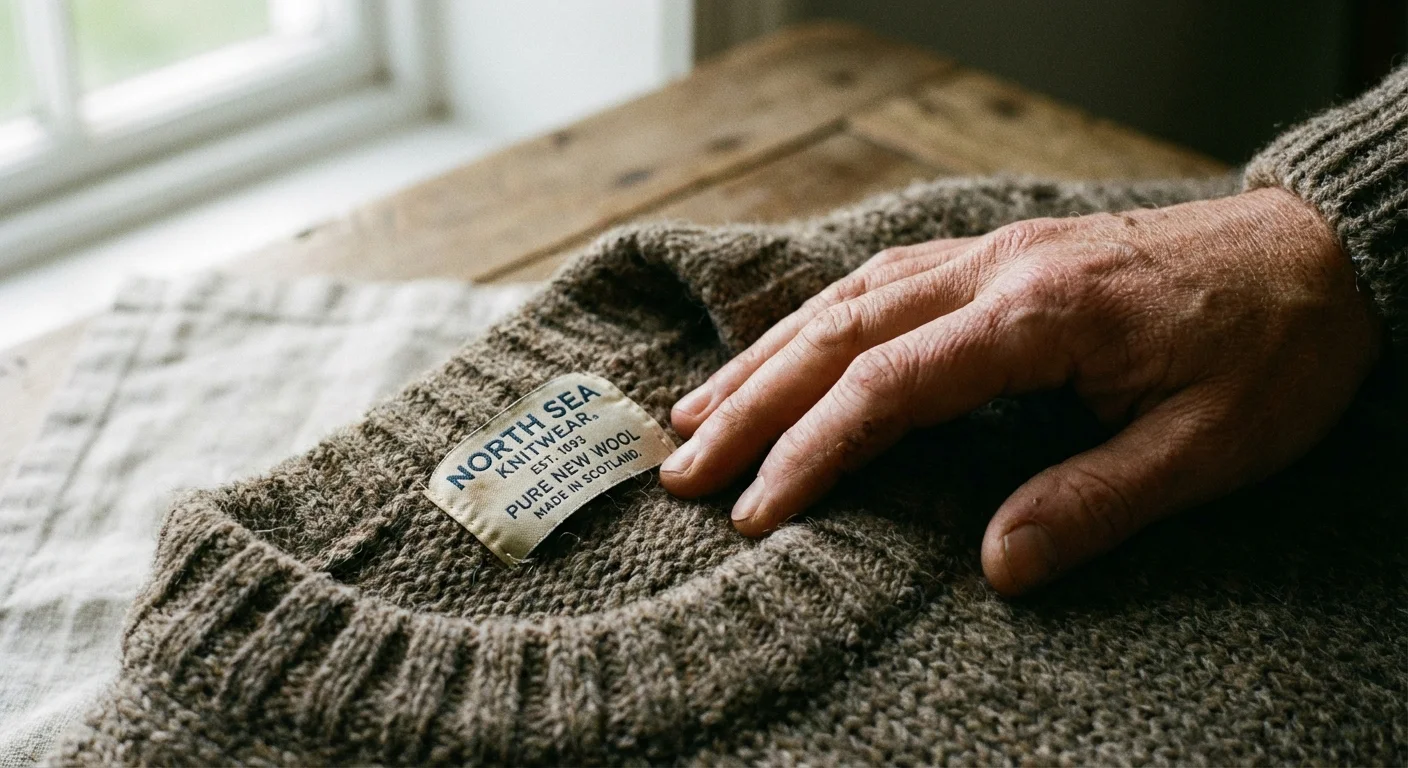
Identifying Professional-Grade Clothing and Outdoor Gear
Clothing is the most common category in any thrift store, but 90% of it is “fast fashion” that lacks durability. To find high-quality gear, you must look past the brand name and evaluate the construction. Seek out natural fibers like wool, silk, linen, and heavy-weight cotton. Synthetic blends often pill and lose their shape, while high-quality natural fibers can be cleaned and repaired indefinitely.
When inspecting technical outdoor gear, look for taped seams. If the seams are covered with a waterproof ribbon on the inside, the garment was built for serious weather. Check the zippers; YKK is the industry standard for durability. If a jacket has a smooth, heavy-duty YKK zipper and reinforced stitching at the stress points, it is likely a professional-grade item. For footwear, look for “Goodyear welts”—a thick stitch connecting the sole to the upper. This allows a cobbler to replace the sole once it wears down, making the boots a lifetime investment rather than a disposable purchase.
“Price is what you pay. Value is what you get.” — Warren Buffett, Chairman and CEO of Berkshire Hathaway
Buffett’s logic applies perfectly to thrifting. A $5 shirt that falls apart in three washes is more expensive than a $15 vintage wool sweater that lasts a decade. Focus on the cost-per-wear rather than the initial sticker price.
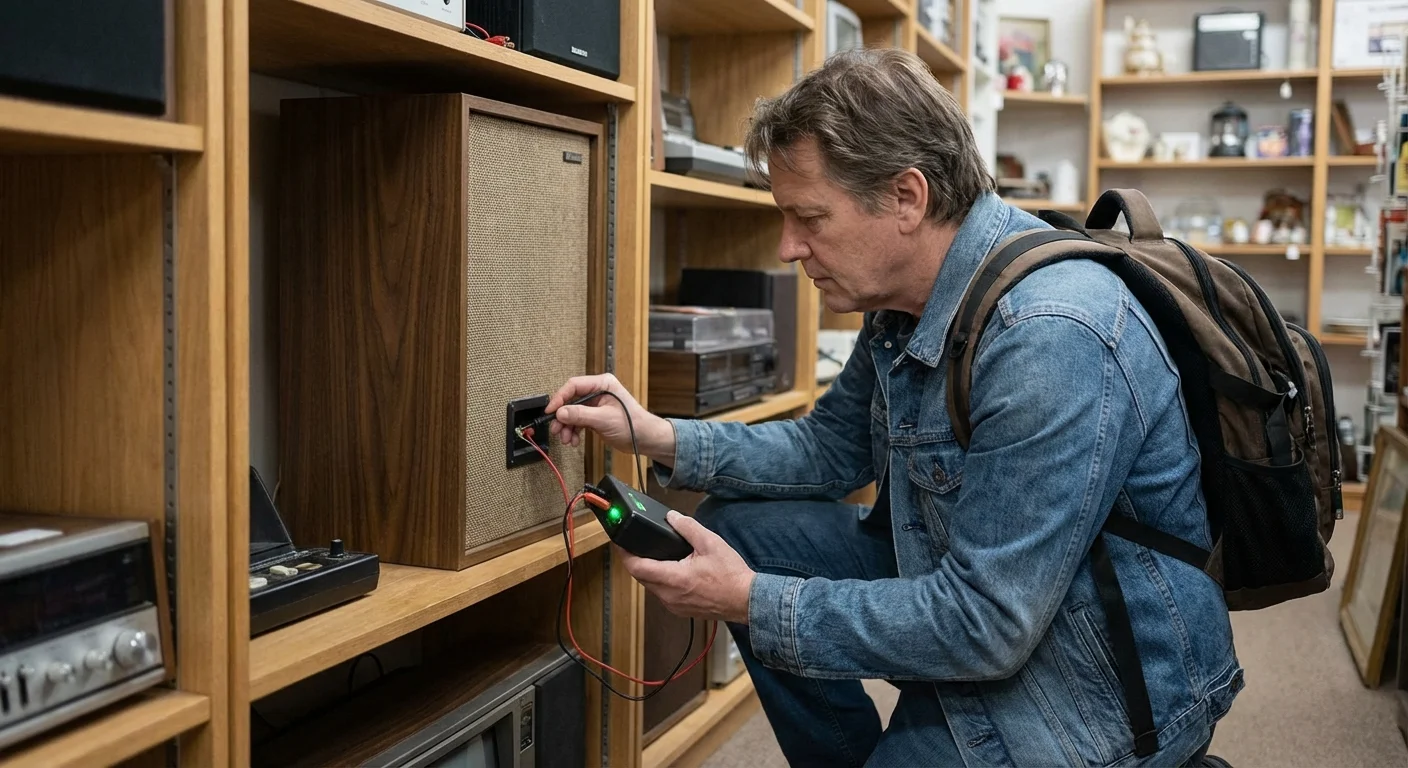
Evaluating Used Electronics and Small Appliances
Electronics represent the highest risk and the highest reward in secondhand shopping. You can often find high-end audio equipment or kitchen appliances like KitchenAid mixers for $20 to $40. However, you must be diligent. Always plug the item in at the store’s testing station. Listen for grinding noises in motors and smell for ozone or burning scents, which indicate failing electrical components.
For kitchen gear, weight is often a proxy for quality. A heavy, stainless steel pan with a thick copper or aluminum core will distribute heat more evenly than a thin, lightweight alternative. Look for brands like All-Clad, Calphalon (the older, heavy-duty lines), or Lodge. Avoid non-stick pans with any scratches or flaking; once the coating is compromised, the pan is a health hazard and belongs in the recycling bin.
| Category | What to Buy Used | What to Buy New |
|---|---|---|
| Kitchenware | Cast iron, stainless steel, stand mixers, glass storage. | Non-stick pans, blenders with plastic seals, electric kettles. |
| Clothing | Wool coats, denim, leather boots, silk ties. | Underwear, swimwear, running shoes (midsoles degrade). |
| Tools | Wrenches, hammers, vises, corded power tools. | Cordless tools (batteries die), safety goggles, respirators. |
| Home Office | Steel desks, high-end chairs (Herman Miller), monitors. | Printers (ink costs), laptops (battery/security risks). |
The “Bad Buy” Filter: When to Walk Away
Part of being a pro thrifter is knowing when a “deal” is actually a liability. Some flaws are easy to fix—like a missing button or a dusty exterior—but others are deal-breakers. Avoid any upholstered furniture or plush toys from stores that do not have a strict inspection policy, as these can harbor bedbugs or extreme allergens. Similarly, steer clear of helmets (bike, motorcycle, or ski) and child car seats. These items are designed to withstand a single impact; you have no way of knowing if the internal structure is compromised. The Consumer Financial Protection Bureau and other safety organizations emphasize that saving money should never come at the cost of personal safety.
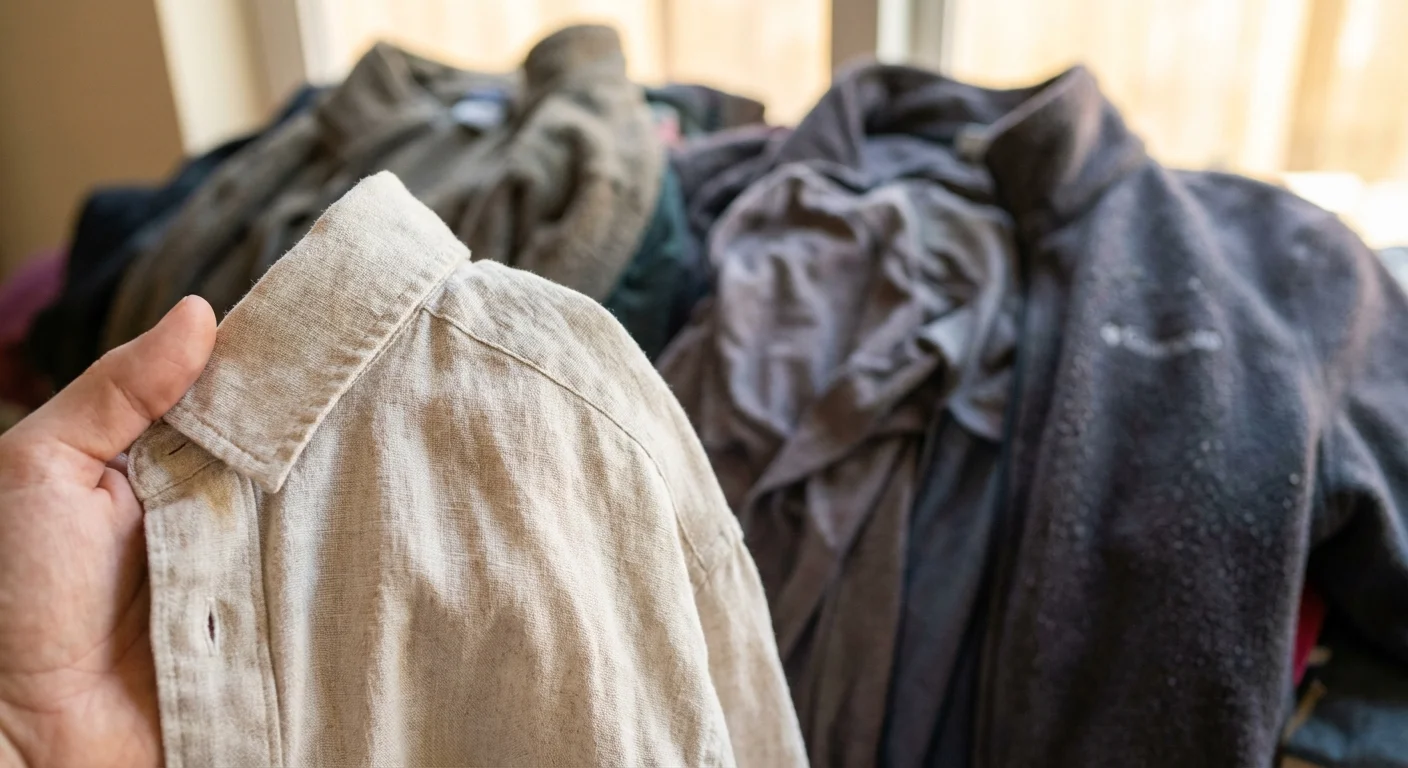
Odors are another critical factor. While a faint “thrift store smell” usually disappears after a wash with vinegar, the smell of heavy cigarette smoke or mold is often permanent. If you can smell a piece of gear from two feet away, leave it where it is. Your home’s air quality and your other belongings are worth more than the savings on a single item.
Advanced Thrifting Tips: Timing and Discounts
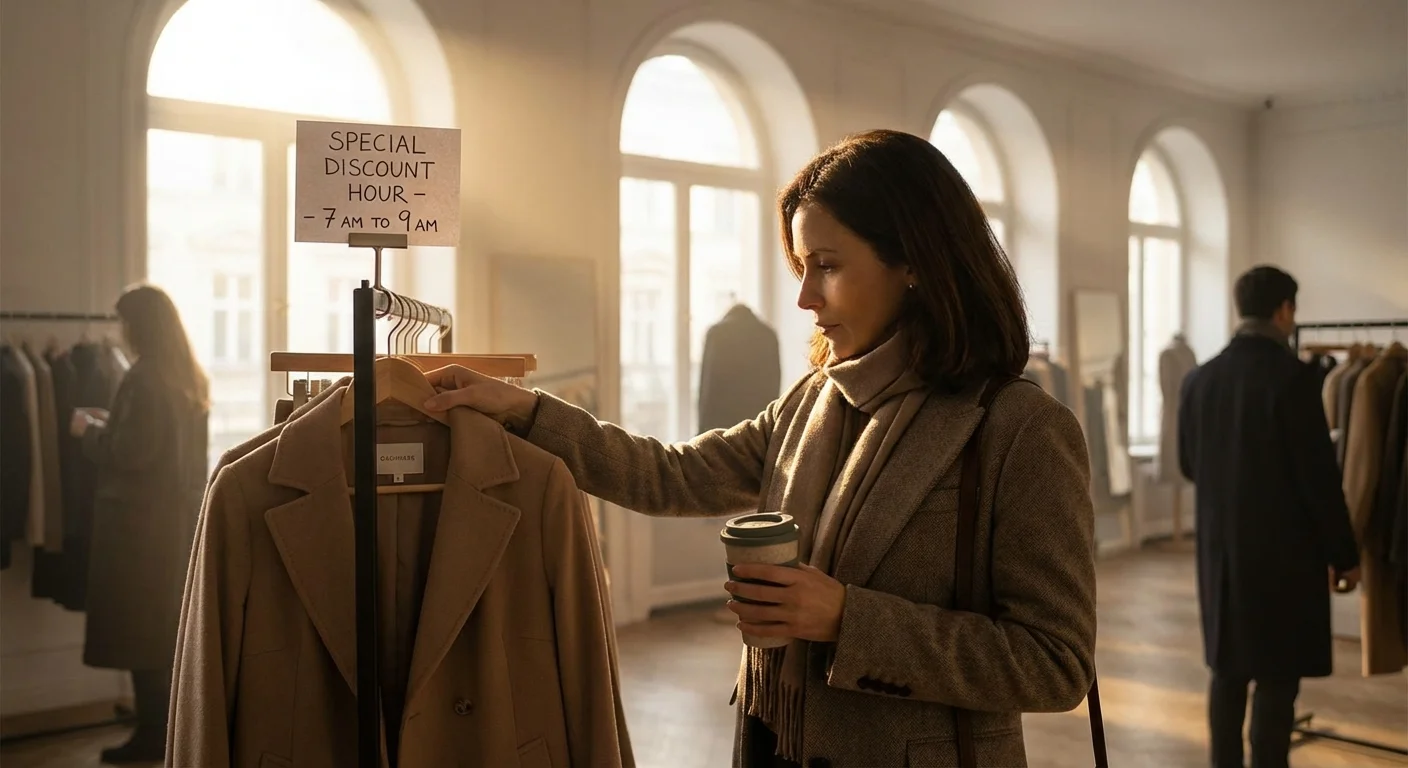
To maximize your savings, you must understand the business model of the thrift store. Most stores use a color-coded tag system. Each week, a specific color goes on sale for 50% off or even $1. Ask the clerk what the “color of the week” is as soon as you enter. Furthermore, many stores offer specific discount days for seniors, students, or military members. Aligning your shopping trips with these days can slash your costs significantly.
Timing your visits can also yield better results. Many people drop off donations on Saturday and Sunday. The staff usually processes these items on Monday and Tuesday. Shopping on a Tuesday morning often gives you first pick of the freshest inventory before the weekend crowds arrive. If you are looking for specific seasonal gear—like a heavy parka or a lawnmower—shop out of season. People donate winter coats in April when they are spring cleaning, and that is exactly when you will find the best selection and lowest prices.
What Can Go Wrong: Common Pitfalls
Even experts occasionally make mistakes. The most common error is “thriftsmanship”—the urge to buy something simply because it is a great brand or a low price, even if you don’t need it. Buying a $400 designer suit for $20 is a loss of $20 if that suit sits in your closet and never gets worn. To avoid this, keep a “wish list” on your phone. If an item isn’t on the list, think twice before purchasing.
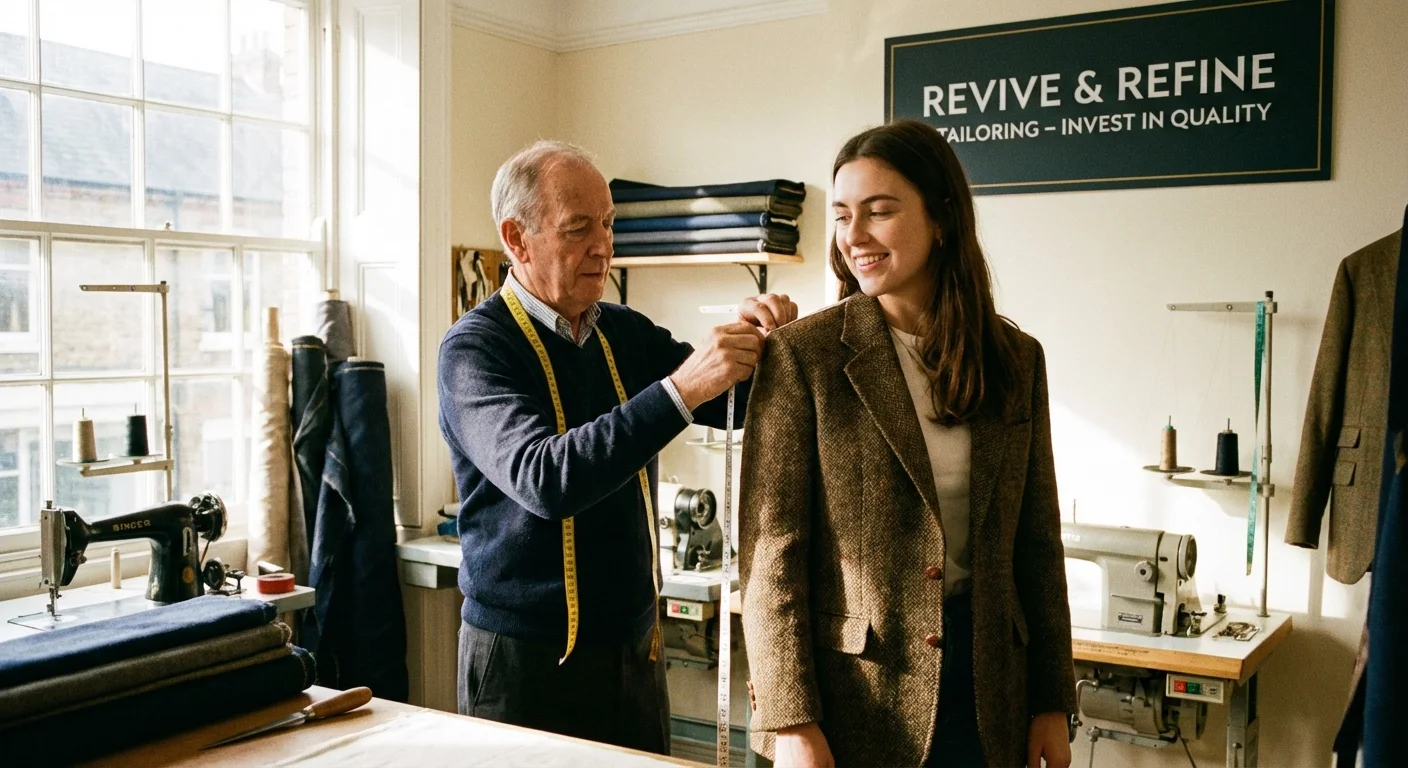
Another pitfall is underestimating the cost of repairs. A pair of high-end Allen Edmonds shoes for $10 sounds like a steal, but if they need a full resole and new heels, you might spend $80 to $100 at a cobbler. While $110 for a $400 pair of shoes is still a good value, you must account for that total cost in your budget. Always check the local rates for dry cleaning, tailoring, and repair shops before assuming a “fixer-upper” is a bargain.
When to Consult a Professional
While thrifting is a DIY endeavor, certain situations require expert eyes to ensure your investment is sound:
- Vintage Jewelry: If you find what appears to be gold or precious stones, take them to a certified gemologist for appraisal. Many “marks” can be forged.
- Antique Furniture: Before attempting to strip or refinish a piece of wood furniture that looks valuable, consult an antique dealer. Refinishing a rare 18th-century piece can actually destroy its market value.
- High-End Bicycles: If you find a carbon fiber racing bike, have a local bike shop inspect the frame for micro-fractures. A failure at high speed can be catastrophic.
Post-Purchase Care: Cleaning and Maintenance
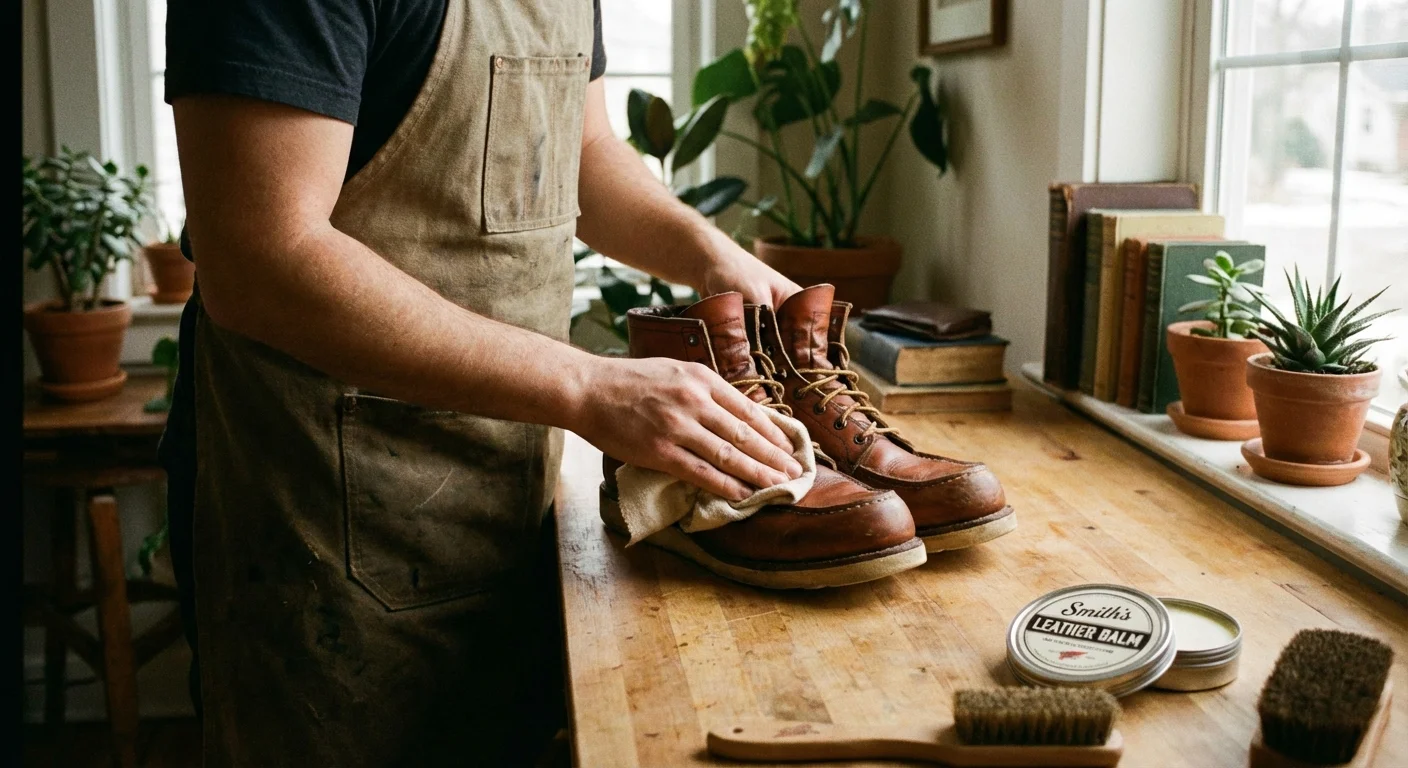
Once you bring your high-quality gear home, your first task is sanitization. For clothing, a standard wash with an added cup of white vinegar usually removes odors and bacteria. For delicate wools or silks, use a garment steamer; the high heat kills most pathogens without damaging the fibers. For hard goods like kitchenware or tools, a scrub with warm soapy water followed by a wipe-down with isopropyl alcohol is usually sufficient.
Maintenance is what keeps thrifted gear in your rotation for years. Treat leather boots with a conditioner like Bick 4 or Lexol. Season your “new” cast iron pans immediately. By putting in an hour of work upfront, you transform a “used” item into a “pre-owned” asset that looks and functions like new. This habit of care is a hallmark of financial discipline—you are protecting your capital by maintaining your possessions.
Frequently Asked Questions
Is thrifting actually better for the environment?
Yes. Buying secondhand extends the lifecycle of products and reduces the demand for new manufacturing, which is often resource-intensive. It is a key component of a sustainable “circular economy.”
How do I know if a designer item is a “superfake” or authentic?
Look at the hardware and the stitching. High-end brands use heavy, branded zippers and perfectly consistent stitching. If you see crooked lines or cheap, lightweight plastic, it is likely a counterfeit. You can also use apps like Entrupy for luxury handbags if you are making a significant investment.
Are online thrift stores like ThredUp or Poshmark better than physical stores?
Online stores offer convenience and searchability, but they often have higher prices due to shipping and platform fees. Physical stores offer the “treasure hunt” advantage where you can find mispriced gems that an online algorithm would have caught.
What is the best way to find local thrift stores?
Beyond Google Maps, use tools like the The Balance or local community forums to find non-profit shops run by hospitals or churches. These smaller venues often have lower prices than large national chains.
Next Steps for Your Thrifting Journey
Start your thrifting journey by identifying one high-quality item you currently need—perhaps a heavy winter coat or a set of stainless steel mixing bowls. Research the top three brands in that category so you know exactly what to look for. Set a budget and commit to visiting three different stores over the next two weeks. You will likely find that the thrill of the hunt, combined with the satisfaction of a growing bank account, makes thrifting your preferred way to shop.
Building financial security is rarely about a single large windfall; it is about the cumulative effect of hundreds of small, smart decisions. Choosing high-quality used gear over cheap, disposable new products is one of the most effective ways to align your lifestyle with your long-term wealth goals. The information in this guide is meant for educational purposes. Your specific circumstances—including income, debt, tax situation, and goals—may require different approaches. When in doubt, consult a licensed professional.
Last updated: February 2026. Financial regulations and rates change frequently—verify current details with official sources.








Leave a Reply