
You wake up on a Tuesday morning, reach for your phone to check your bank balance, and find yourself locked out. A quick call to customer service reveals the nightmare: someone changed your primary email, requested a new debit card, and drained your checking account. While federal law protects you from permanent loss on many unauthorized transactions, the immediate reality is much harsher. Your mortgage is due in three days, your groceries are low, and your liquid assets are currently frozen pending a 30-day investigation.
Most financial advice focuses on the general emergency fund—the three to six months of expenses meant for job loss or medical bills. However, identity theft creates a unique type of financial paralysis. When a thief strikes, they don’t just take your money; they often take your access to money. This is why you need a dedicated Identity Theft Recovery Fund—a “digital security budget” sitting in a completely separate institution—to keep your life running while you fight to reclaim your name.
The Federal Trade Commission (FTC) received over 1 million reports of identity theft in a single recent year. These aren’t just statistics; they represent millions of hours of lost labor and thousands of dollars in out-of-pocket costs that standard insurance or bank protections rarely cover. Building a buffer specifically for this crisis isn’t about being paranoid; it is about maintaining your financial agency when the systems you trust most are compromised.

The Hidden Price Tag of a Stolen Identity
Identity theft costs involve much more than the balance of your stolen savings. While your bank might eventually credit back the $4,000 a thief spent on electronics, they won’t pay for the certified mail you need to send to credit bureaus. They won’t reimburse you for the unpaid leave you took from work to spend eight hours on the phone with the Social Security Administration. They certainly won’t cover the notary fees for the dozen affidavits you must sign.
Data from identity theft victims suggests that out-of-pocket recovery expenses can range from a few hundred to several thousand dollars. If your case involves “criminal identity theft”—where someone commits a crime using your name—the legal fees to clear your record can escalate quickly. You need to account for these specific identity theft costs when planning your digital security budget.
Common expenses you will likely face include:
- Legal Consultation: Fees to talk to an attorney about clearing fraudulent judgments or criminal records.
- Notary and Mailing Fees: Most formal disputes require notarized signatures and USPS Certified Mail with return receipt requested.
- Credit Monitoring: While some breaches offer this for free, you may want a more robust, independent service during the recovery phase.
- Lost Wages: The time required to fix an identity crisis is essentially a part-time job that lasts for months.
- Application Fees: If your credit score tanks during the theft, you might face higher deposits for utilities or denied rental applications.
Why Your Regular Emergency Fund Might Fail You
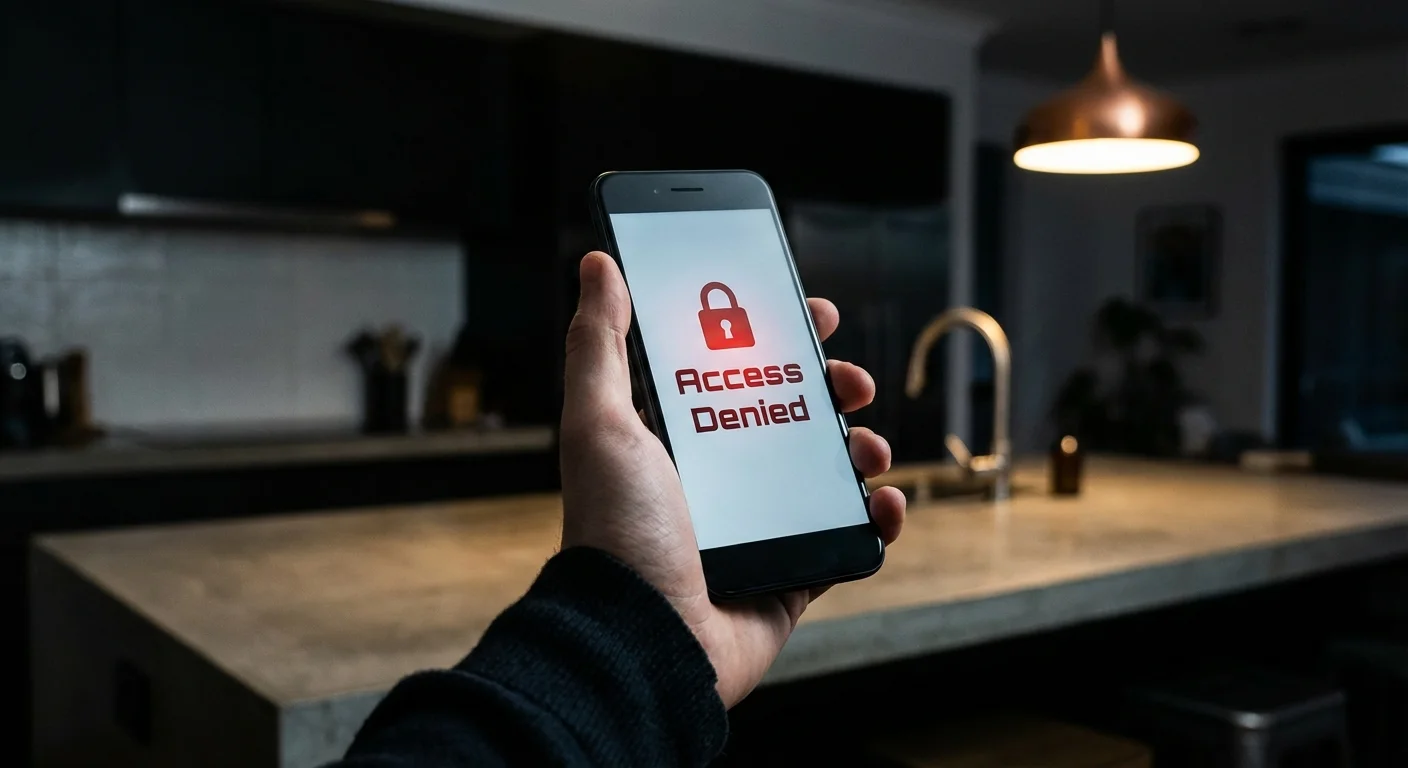
If you keep your emergency savings in a “savings” sub-account at the same bank where you have your checking account, you are vulnerable. When a bank detects identity theft or significant fraud, they often freeze all accounts associated with your Social Security number or login credentials to prevent further loss. This is a prudent security measure, but it leaves you with zero liquidity.
Imagine your primary bank is Bank A. You have $10,000 in savings there. A thief gains access to your online portal. Bank A notices the suspicious activity and locks the entire profile. You now have no access to your “emergency” money to pay for a lawyer, a private investigator, or even your daily transit to work. This “liquidity lock” is the primary reason your identity theft recovery fund must reside at a completely different financial institution—Bank B—with no digital links to Bank A.
“A budget is telling your money where to go instead of wondering where it went.” — Dave Ramsey, Personal Finance Expert
Applying this logic to digital security, a specific fund tells your money to wait for the one emergency that might otherwise lock you out of your own wealth. You aren’t just saving for a rainy day; you are saving for a day when the bank says you aren’t who you claim to be.

Calculating Your Digital Security Budget
Determining the right amount for an identity theft recovery fund depends on your complexity. If you own a business, have multiple brokerage accounts, or hold significant real estate assets, your recovery will be more expensive and time-consuming than a student with a single checking account. Use the following table to estimate what you might need to have on hand in a liquid, accessible account.
| Expense Category | Estimated Low-End Cost | Estimated High-End Cost |
|---|---|---|
| Administrative (Mail/Notary/Reports) | $50 | $300 |
| Legal Fees/Professional Assistance | $0 | $2,500+ |
| Lost Productivity (Time off work) | $200 | $2,000 | $0 (Free tiers) | $500 |
| Total Recommended Fund | $250 | $5,300+ |
For most Americans, a starting goal of $1,000 to $2,000 tucked away in a separate High-Yield Savings Account (HYSA) provides a sufficient “war chest” for the first 30 days of a digital crisis. This ensures you can cover your immediate living expenses if your primary accounts are frozen and pays for the initial administrative costs of reclaiming your identity.

Where to Park Your Recovery Cash
The location of your fund is just as important as the amount. You need “physical and digital separation.” This means the bank housing your recovery fund should not be the same bank you use for daily transactions. Furthermore, do not link these accounts via ACH transfer in your primary bank’s portal. If a hacker gets into your main account and sees a linked “External Savings” account, they will attempt to pull those funds as well.
Consider these criteria for your recovery fund’s home:
- Distinct Login Credentials: Use a unique, long passphrase that you do not use anywhere else.
- Different MFA Method: If your primary bank uses SMS-based multi-factor authentication, use an authenticator app (like Authy or Google Authenticator) for your recovery bank.
- ATM Access: Ensure the account comes with an ATM card or debit card kept in a secure, physical location (like a fireproof safe) so you can get cash even if you lose internet access.
- High Liquidity: Use a standard savings or money market account. Do not use a CD (Certificate of Deposit) or an investment account where selling assets takes days to settle.
You can find competitive rates for these separate accounts at sites like Bankrate or NerdWallet, which track high-yield options that keep your money growing while it sits in reserve.

The “Time Cost” of Identity Theft
We often ignore the value of our time, but in identity recovery, time is your most precious resource. According to the Identity Theft Resource Center, some victims spend months or even years fully resolving the ripple effects of a stolen Social Security number. If you earn $30 per hour and spend 40 hours over three months filing police reports and calling creditors, that is $1,200 of “labor” you have effectively lost.
Your recovery fund allows you to “buy back” some of this time. For example, instead of spending hours researching how to draft a dispute letter, you might use your fund to pay for a specialized service or a few hours of an attorney’s time to ensure the job is done correctly the first time. The Consumer Financial Protection Bureau (CFPB) provides excellent templates for these disputes, but having the cash to expedite the process—such as paying for overnight shipping—can shave weeks off your recovery timeline.

Beyond the Cash: Tools for Your Digital Fortress
While cash is the fuel for your recovery, you need tools to prevent the fire. A portion of your digital security budget should go toward proactive defenses. These are small, recurring costs that significantly lower your risk profile.
Password Managers: Stop using the same password for your bank and your Netflix account. A paid password manager ensures that if one site is breached, your financial accounts remain secure. This is the most cost-effective “insurance” you can buy.
Hardware Security Keys: For your most sensitive accounts (email and primary banking), consider a physical YubiKey. Even if a thief steals your password, they cannot enter your account without the physical USB key. This effectively neutralizes most remote phishing attacks.
Frozen Credit: This is a free tool, but it is the most powerful. Freeze your credit at all three major bureaus (Equifax, Experian, and TransUnion). This prevents anyone—including you—from opening new lines of credit without “thawing” the account first. You can find instructions on how to do this at Investopedia or directly through the bureau websites.

Avoiding Common Recovery Errors
When you are in a panic because your identity was stolen, you are prone to making mistakes that can cost you more money and prolong the agony. Your recovery fund gives you the breathing room to avoid these pitfalls:
- Paying Fraudulent Debts: Never pay a cent on a debt you didn’t incur just to “make it go away.” Doing so can be interpreted as an admission that the debt is yours, making it much harder to dispute later.
- Neglecting the Police Report: Many people skip filing a formal police report because they think the police won’t “do anything.” However, a formal report (or an FTC Identity Theft Report) is a legal “golden ticket” that forces creditors to take your disputes seriously.
- Relying Solely on Phone Calls: Always follow up every phone conversation with a written letter. Your recovery fund should cover the cost of certified mail for every single interaction.
- Failing to Document Everything: Keep a log of every person you speak to, their employee ID, the date, and what was promised.

* Wait, let me double check the “Describe
When DIY Isn’t Enough
Most identity theft cases can be handled with patience and the right forms. However, there are specific scenarios where you should immediately tap into your recovery fund to hire professional help:
- Criminal Impersonation: If a thief uses your identity during a police stop or for a criminal filing, you need a defense attorney. Do not try to navigate the criminal justice system alone to “clear your name.”
- Tax Fraud: If someone files a tax return in your name to steal a refund, the resolution process with the IRS can be incredibly complex. A CPA or tax attorney who specializes in identity theft is worth the investment.
- Medical Identity Theft: When a thief uses your insurance for medical procedures, their health records can get merged with yours. This can lead to life-threatening errors in your own medical treatment or the denial of future life insurance. Fixing medical records often requires legal intervention to navigate HIPAA complexities.

The Psychological Benefit of a Digital Security Budget
Financial security is as much about your state of mind as it is about the numbers in your account. The primary goal of a thief is to create chaos, and chaos leads to poor decision-making. Knowing that you have $2,000 sitting in an untouched vault—ready to pay your rent, cover your legal fees, and handle your groceries—strips the thief of their power over you.
You aren’t a victim waiting for a bank’s bureaucracy to save you; you are a prepared individual with the resources to fight back. This shift in mindset is the difference between a crisis that ruins your year and a crisis that merely ruins your month.
Frequently Asked Questions
Does identity theft insurance replace the need for a recovery fund?
Not entirely. Many identity theft insurance policies work on a reimbursement basis, meaning you still have to pay the upfront costs for lawyers or specialists and then wait weeks or months for the insurance company to pay you back. Additionally, insurance doesn’t help you if your liquid cash is frozen in a bank account. You still need that immediate cash buffer.
How much should I keep in my separate recovery fund?
A good rule of thumb is $1,000 for an individual or $2,500 for a family. This is usually enough to cover one month of core expenses (rent/mortgage/food) plus the initial administrative costs of reporting the theft.
Should I tell my primary bank about my recovery fund at another bank?
There is no need to disclose this. In fact, keeping the two institutions entirely unaware of each other’s connection to you adds a layer of “security through obscurity.”
Your Next Steps
Do not wait for a breach notification to start your defense. Open a high-yield savings account at a completely different bank than your primary one today. Start by automating a small transfer—even $50 a month—into this “Identity Theft Recovery Fund.” Simultaneously, go to the three credit bureaus and freeze your credit files. These two actions, which take less than an hour combined, create a massive barrier for thieves and a safety net for you.
Managing your money is about more than just growth; it is about resilience. By treating digital security as a line item in your budget, you ensure that no matter what happens in the digital world, your physical and financial world remains secure. Take control of your data and your cash today so you never have to ask for permission to use your own money tomorrow.
This article provides general financial education and information only. Everyone’s financial situation is unique—what works for others may not work for you. For personalized advice, consider consulting a qualified financial professional such as a CFP or CPA.
Last updated: February 2026. Financial regulations and rates change frequently—verify current details with official sources.









Leave a Reply