
You find yourself scrolling through thousands of real estate listings, your eyes blurring as you jump from a three-bedroom ranch in Ohio to a sleek condo in Florida. Each property promises great returns, but the numbers start to look like a jumbled mess of mortgage estimates, tax rates, and potential HOA fees. How do you quickly separate the potential gold mines from the money pits without spending hours on a spreadsheet for every single address?
Successful real estate investing requires a balance between deep due diligence and rapid decision-making. If you take three days to analyze a property in a hot market, a more prepared investor will likely snatch it up before you finish your first cup of coffee. This is where the 1% rule serves as your first line of defense; it acts as a high-speed filter to determine if a property deserves a closer look or if it belongs in the digital trash bin.

The Essentials: Screening for Success
- Definition: The 1% rule suggests that a rental property should generate at least 1% of its total purchase price in monthly gross rent.
- Purpose: Use this metric as a preliminary screening tool—not a final decision maker—to estimate if a property will produce positive cash flow.
- Context Matters: While the rule works well in many mid-market suburbs, it is notoriously difficult to achieve in high-cost coastal cities like San Francisco or New York.
- Total Investment: Remember to include the cost of immediate repairs in your “purchase price” when calculating the ratio.

Defining the 1% Rule in Today’s Market
The 1% rule is a simple mathematical shortcut used by investors to gauge the relationship between the price of a property and the gross income it produces. To apply it, you simply take the total purchase price (including any immediate renovations needed to make the unit “rent-ready”) and multiply it by 1%. If the expected monthly rent meets or exceeds that number, the property passes the initial test.
For example, if you are looking at a duplex priced at $200,000 that requires $20,000 in roof repairs and flooring, your total cost basis is $220,000. Under the 1% rule, you would want to see a total monthly rent of at least $2,200 across both units. If the current market rent for that area is only $1,600, the property fails the rule, suggesting that the expenses—mortgage, taxes, insurance, and maintenance—might exceed the income, leaving you with a monthly deficit.
It is important to understand why this specific number exists. Historically, a property that meets the 1% threshold has a much higher probability of covering its operating expenses and debt service while still leaving a “buffer” of profit for the owner. According to data from Investopedia, this rule serves primarily to ensure that the gross income is sufficient to offset the inherent risks of property ownership.

How to Calculate Your Potential Returns
Calculating the 1% rule requires two primary pieces of data: the total acquisition cost and the fair market rent. You can find acquisition costs on listing sites, but you must be proactive in estimating repair costs. For rent estimates, look at local “comps” (comparable rentals) or use tools provided by the Department of Housing and Urban Development (HUD), which publishes Fair Market Rent data for various counties across the United States.
The Formula:
(Monthly Rent / Total Purchase Price) x 100 = Rental Percentage
Let’s look at three scenarios to see how this plays out in real-world investing:
- The Mid-Market Winner: You purchase a single-family home for $150,000. It is in good condition and rents for $1,600 per month. 1,600 / 150,000 = 1.06%. This property passes the test comfortably.
- The “Fixer-Upper” Trap: You find a house for $80,000. It looks like a steal, but it needs $50,000 in structural work. Your total cost is $130,000. If the local rent is only $1,100, the ratio is 0.84%. Despite the low entry price, it fails the 1% rule.
- The Luxury Lag: You buy a high-end condo for $500,000. To meet the 1% rule, you would need $5,000 in monthly rent. If the market only supports $3,200, the ratio is 0.64%. In this case, you are likely betting on property appreciation rather than monthly cash flow.

Why the 1% Rule Matters for Your Portfolio
Building wealth through real estate is rarely about one “home run” deal; it is about the consistent accumulation of cash-flowing assets. The 1% rule protects you from the emotional trap of buying a “pretty” house that doesn’t make financial sense. When you look at a property through the lens of a strictly mathematical filter, you remove the bias that often leads new investors to overpay for aesthetic features that tenants may not actually value.
Furthermore, this rule accounts for the reality of the “50% Rule” of thumb, which states that approximately 50% of a property’s gross income will go toward non-mortgage expenses like taxes, insurance, vacancies, and repairs over the long term. If your rent is only 0.5% of the purchase price, and half of that goes to expenses, you are left with 0.25% to pay your mortgage. On a $300,000 house, that leaves you with $750. If your mortgage payment is $1,800, you are losing $1,050 every single month. The 1% rule provides the necessary margin of safety to avoid this scenario.
“Price is what you pay. Value is what you get.” — Warren Buffett, Chairman and CEO of Berkshire Hathaway

Comparing the 1% Rule to Other Vital Metrics
While the 1% rule is a fantastic “napkin math” tool, it shouldn’t be your only metric. Once a property passes the 1% test, you must dive deeper into the actual net numbers. Experienced investors often use a combination of the following metrics to validate their findings:
| Metric | Calculation | What it Tells You |
|---|---|---|
| 1% Rule | Monthly Rent / Purchase Price | Quickly filters for potential cash flow. |
| Cap Rate | Net Operating Income / Purchase Price | Shows the annual return if you paid all cash. |
| Cash-on-Cash Return | Annual Pre-tax Cash Flow / Total Cash Invested | Measures the return on the actual cash you pulled out of your pocket. |
| Gross Rent Multiplier (GRM) | Purchase Price / Gross Annual Rent | Helps compare the value of similar properties in the same market. |
The Cap Rate is particularly useful because it ignores how you financed the deal (mortgage rates) and looks strictly at the property’s performance. A property might meet the 1% rule but have such high property taxes or HOA fees that the Cap Rate remains dangerously low. Always verify the net income after all recurring costs are subtracted.

Where the Rule Falls Short
You must acknowledge that the 1% rule is a blunt instrument. It does not account for the nuances of local markets. In the current economic climate, finding 1% deals in “Tier 1” cities (like Austin, Denver, or Seattle) is nearly impossible. If you strictly follow the 1% rule in these areas, you might never buy a single property.
In these high-growth markets, investors often accept a 0.7% or 0.8% ratio because they anticipate significant “appreciation”—the increase in the property’s value over time. While cash flow pays the bills today, appreciation builds massive wealth tomorrow. However, banking on appreciation is speculative. If the market dips, you are stuck with a property that loses money every month. For most beginners, staying as close to the 1% rule as possible is the safest path to financial security.
Additionally, the rule ignores the “quality” of the neighborhood. A property in a high-crime area might easily meet a 2% rule because the purchase price is so low, but your “on-paper” profits will quickly vanish due to high turnover, vandalism, and unpaid rent. Conversely, a property in a prestigious school district might only hit 0.9%, but it may attract long-term, stable tenants who take excellent care of the home.
Avoiding Common Errors
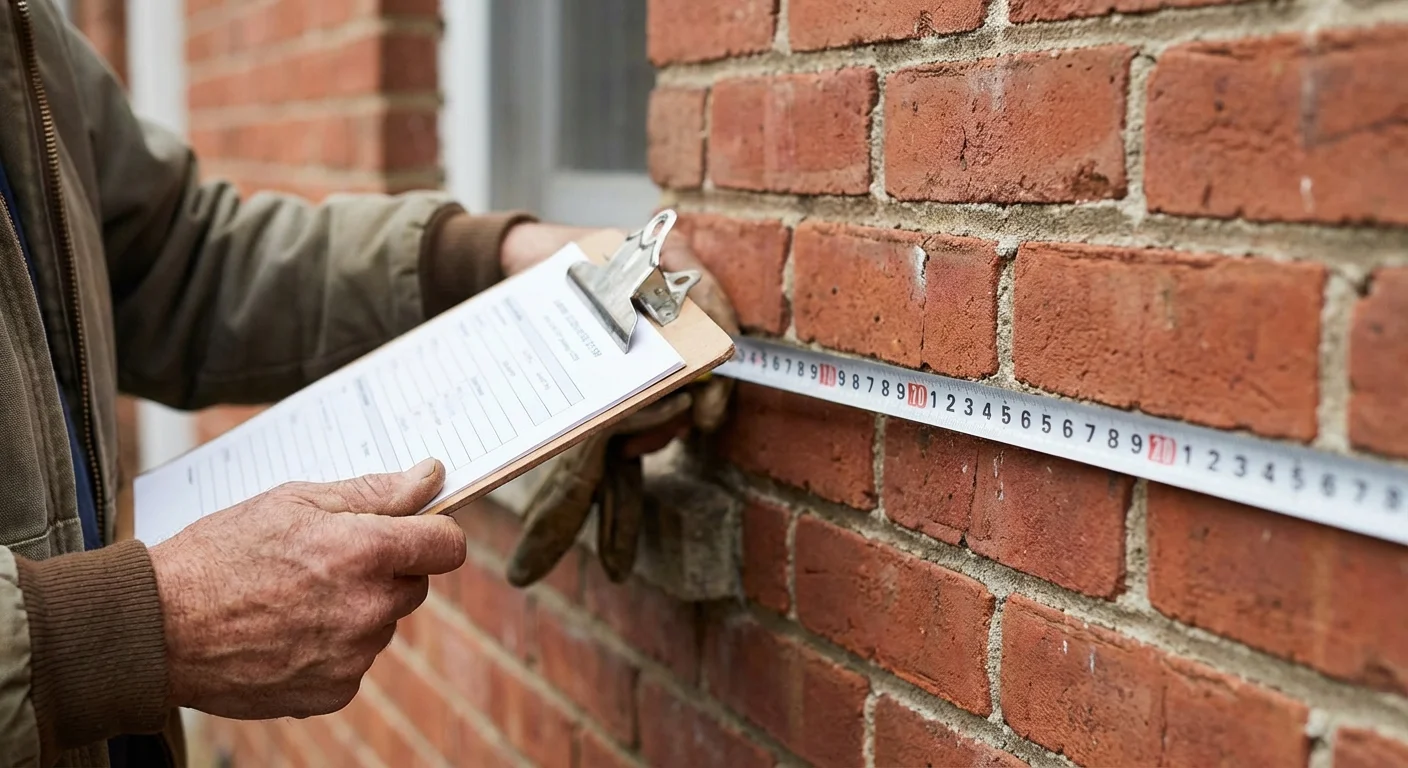
Mistakes in real estate can be expensive, often costing tens of thousands of dollars to rectify. When applying the 1% rule, avoid these frequent pitfalls:
- Ignoring the “All-In” Cost: Many investors calculate the 1% based on the listing price but forget to add closing costs and immediate repairs. If a house costs $200,000 but needs a $15,000 HVAC system, your 1% target is $2,150, not $2,000.
- Overestimating Market Rent: Do not trust the “Estimated Rent” features on popular real estate apps blindly. Verify these numbers by calling local property managers or checking current active listings on sites like Bankrate to see what tenants are actually paying.
- Forgetting About Taxes and Insurance: The 1% rule assumes average expenses. If you are buying in a high-tax state like New Jersey or a high-insurance area like coastal Florida, a 1% property might still result in negative cash flow because your “fixed” costs are disproportionately high.
- Underestimating Vacancy: No property is occupied 100% of the time. You should always factor in a 5% to 10% vacancy rate when moving from the 1% rule to a full cash-flow analysis.

When DIY Isn’t Enough
While the 1% rule is simple enough to do in your head, there are times when you need professional intervention to ensure your investment is sound. Consider seeking help in these scenarios:
- The Property Requires Significant Structural Work: If the 1% rule looks great because the price is incredibly low due to “foundation issues” or “mold,” do not rely on your own estimates. Hire a professional inspector or structural engineer to provide a hard quote.
- You Are Investing Out-of-State: If you cannot physically visit the neighborhood, the 1% rule won’t tell you if there is a sewage treatment plant next door or if the street is prone to flooding. You need a local property manager or a trusted agent to provide boots-on-the-ground context.
- Complex Tax Implications: For investors looking at multi-family units or commercial spaces, the tax benefits (like depreciation or 1031 exchanges) can be complex. Consult a CPA who specializes in real estate to see how the property affects your overall tax liability. Information on tax-related real estate rules can be found at the Internal Revenue Service (IRS) website.
Step-by-Step: Analyzing Your First Deal
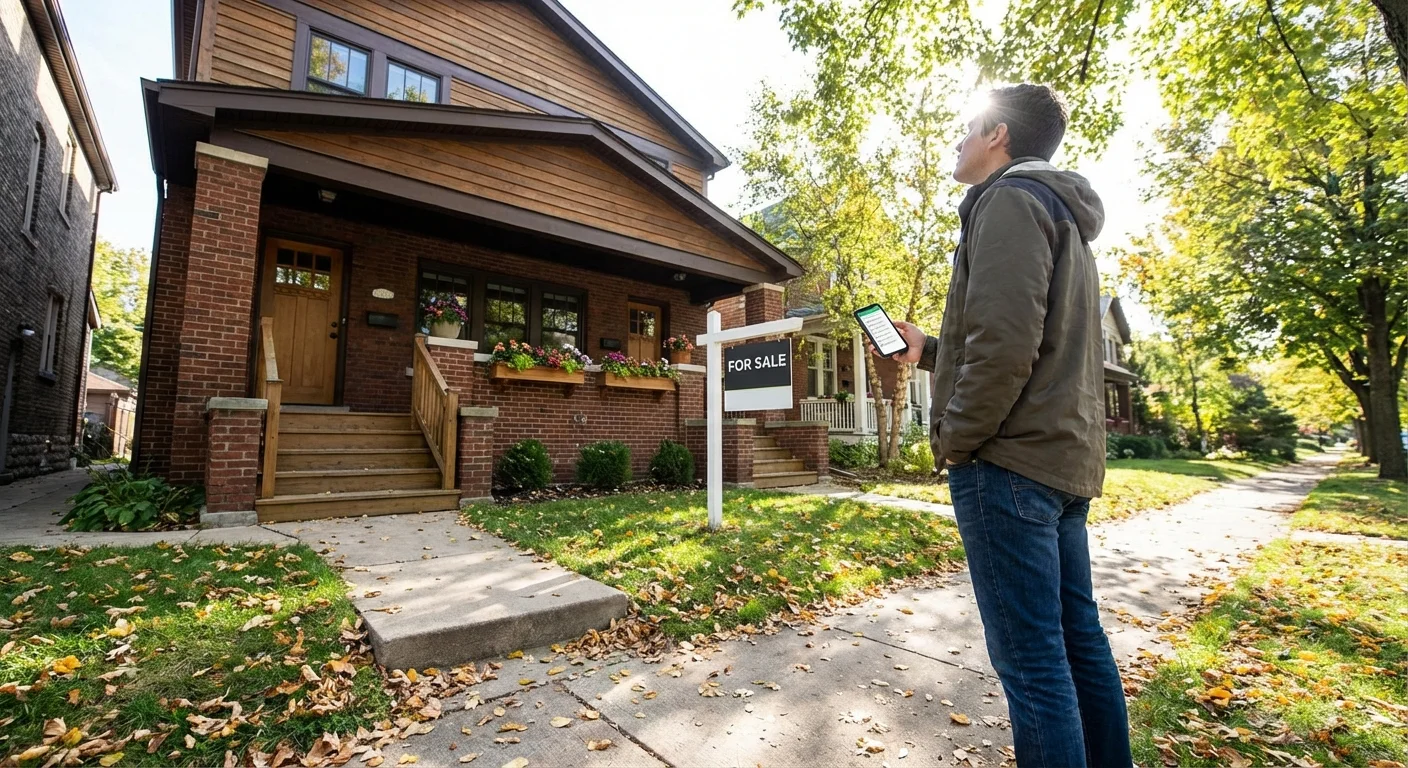
Ready to put the rule into practice? Follow this workflow to streamline your property search:
- Set Your Parameters: Use an online real estate portal to filter for homes within your budget.
- Apply the Quick Filter: For every interesting listing, look at the price and calculate the 1% mark. If the price is $250,000, ask: “Can I get $2,500 in rent here?”
- Verify Local Rents: Check Zillow, Rentometer, or Craigslist for similar homes in a 2-mile radius. If the average rent is only $1,800, move on to the next listing.
- Run a Full Pro-Forma: Once you find a “1% candidate,” list out every single expense: mortgage, taxes, insurance, property management (even if you plan to do it yourself), repairs, and capital expenditures (roof, water heater, etc.).
- Check the Neighborhood: Use the Consumer Financial Protection Bureau (CFPB) resources to understand mortgage options and ensure you are looking at neighborhoods with sustainable economic growth.
Frequently Asked Questions
Is the 1% rule still realistic with high interest rates?
It is more difficult, but it is also more necessary. When interest rates are high, your mortgage payment increases. A property that might have been profitable at 0.8% rent-to-price ratio when rates were at 3% will likely lose money when rates are at 7%. Higher rates require higher rent-to-price ratios to maintain the same cash flow.
Can I use the 1% rule for short-term rentals like Airbnb?
The 1% rule is designed for long-term leases (12 months or more). Short-term rentals have much higher operating expenses (cleaning, utilities, platform fees, furnishing). Most short-term rental experts look for a “2% rule” or higher to justify the extra work and higher costs associated with vacation rentals.
What if I find a property that hits the 2% rule?
Be cautious. While 2% properties exist, they are often located in “Class D” or “Class F” neighborhoods. These areas may have high crime, declining populations, or major employers leaving town. The high “on-paper” yield often compensates for the significantly higher risk and management headaches.
Does the 1% rule apply to commercial real estate?
No. Commercial real estate (offices, retail, industrial) is valued based on its Net Operating Income and Cap Rates. The 1% rule is almost exclusively a tool for residential single-family and small multi-family (2-4 unit) properties.
Using the 1% rule allows you to move with confidence in a crowded market. It empowers you to say “no” to mediocre deals so you have the capital and mental energy to say “yes” when a truly great opportunity arises. Real estate is a marathon, not a sprint; building a portfolio of properties that meet or exceed this simple benchmark ensures that your financial foundation remains solid for years to come.
This article provides general financial education and information only. Everyone’s financial situation is unique—what works for others may not work for you. For personalized advice, consider consulting a qualified financial professional such as a CFP or CPA.
Last updated: February 2026. Financial regulations and rates change frequently—verify current details with official sources.









Leave a Reply