
The image of a sun-drenched, minimalist tiny home nestled in a lush forest or a sleek modern suite tucked into a backyard has become a staple of modern financial freedom narratives. You have likely seen the headlines promising a debt-free life or an easy secondary income stream through “small living.” However, as a budget-conscious American looking to make your money work harder, you must look beyond the aesthetic appeal. Investing your hard-earned capital into a tiny home or an Accessory Dwelling Unit (ADU) requires a cold, hard look at the math, the legalities, and the long-term market trends.
While these structures offer a lower barrier to entry than traditional real estate, they do not all carry the same investment weight. You must distinguish between a lifestyle choice—where you trade space for simplicity—and a financial asset—where you expect your capital to grow. This guide examines whether the small living trend serves as a launchpad for your wealth or a potential sinkhole for your savings.
The Essentials: Small Living at a Glance
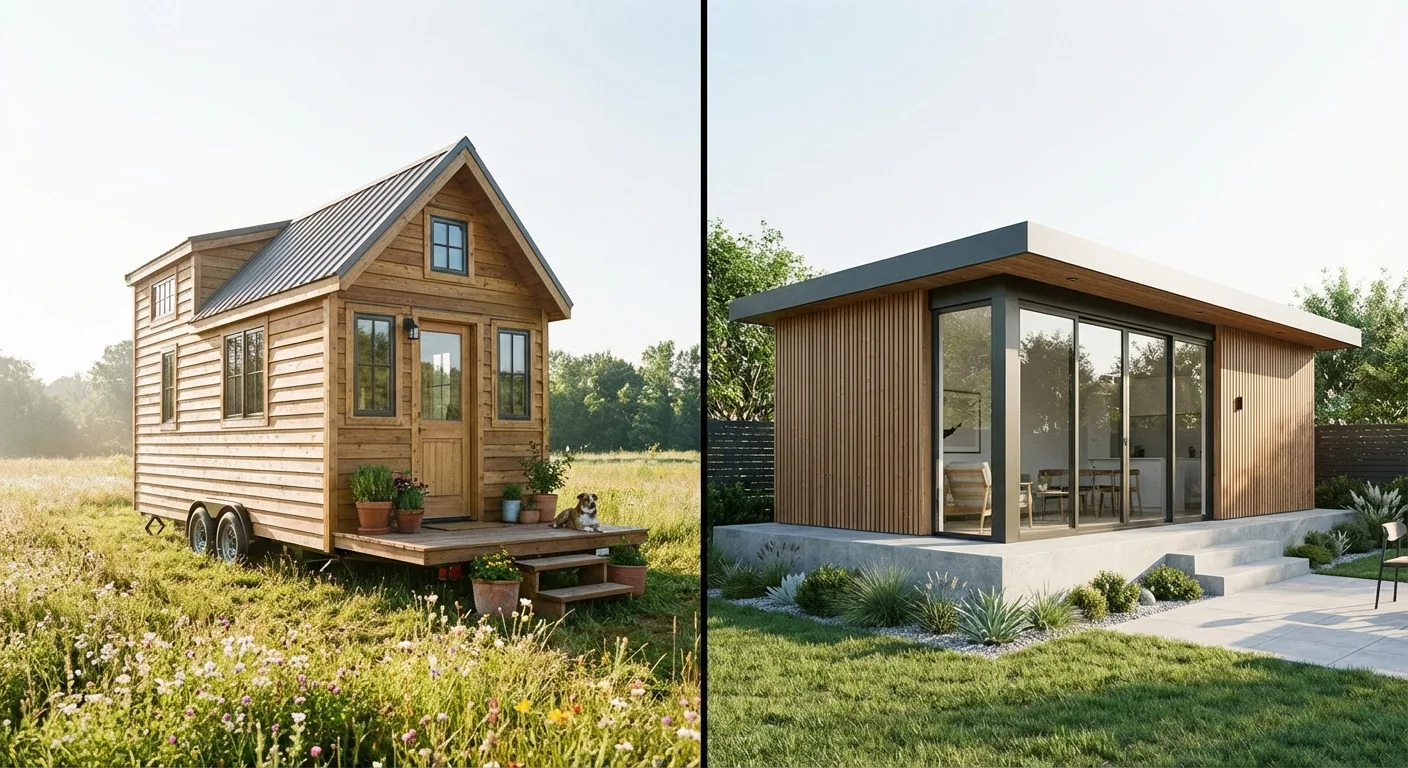
If you are looking for a quick overview of how these options compare as investments, consider the following table. It highlights the fundamental differences between the two primary paths in the small living movement: Tiny Houses on Wheels (THOWs) and permanent Accessory Dwelling Units (ADUs).
| Feature | Tiny House on Wheels (THOW) | Accessory Dwelling Unit (ADU) |
|---|---|---|
| Legal Status | Personal Property (like an RV) | Real Property (attached to land) |
| Typical Cost | $50,000 – $120,000 | $150,000 – $350,000 |
| Appreciation | Generally Depreciates | Generally Appreciates with Land |
| Financing | Personal or RV Loans | HELOCs, Construction Loans, Cash |
| Primary ROI | Reduced living expenses | Rental income and property value boost |
The Critical Distinction: Personal Property vs. Real Property
The most significant mistake you can make when entering the small home living space is confusing a vehicle with a house. From an investment perspective, the legal classification of your structure dictates its future value. A tiny house on wheels is typically classified as a recreational vehicle (RV) or personal property. Much like a car, personal property usually loses value the moment you drive it off the lot.
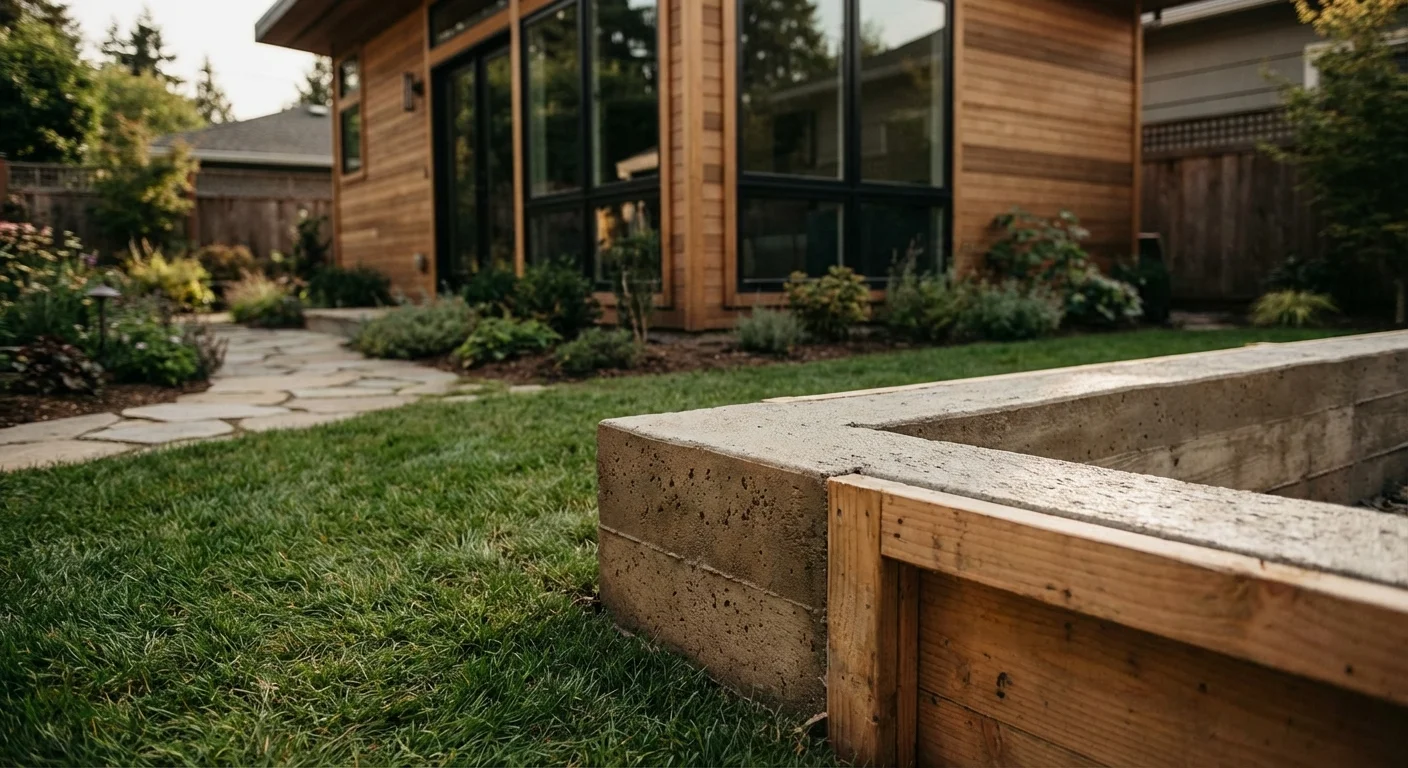
In contrast, an ADU is a permanent structure built on a foundation and legally tied to your primary residence’s land. Because it is considered “real property,” it benefits from the same market forces that drive up the value of traditional homes. When you build an ADU, you are investing in the land and the permanent improvement of that land. This distinction is why most financial educators suggest approaching a tiny house on wheels as a lifestyle purchase and an ADU as a strategic tiny house investment.
“Buy land, they’re not making it anymore.” — Mark Twain (Often cited by value investors like Benjamin Graham to emphasize the intrinsic value of real estate)
Calculating Your Accessory Dwelling Unit Cost
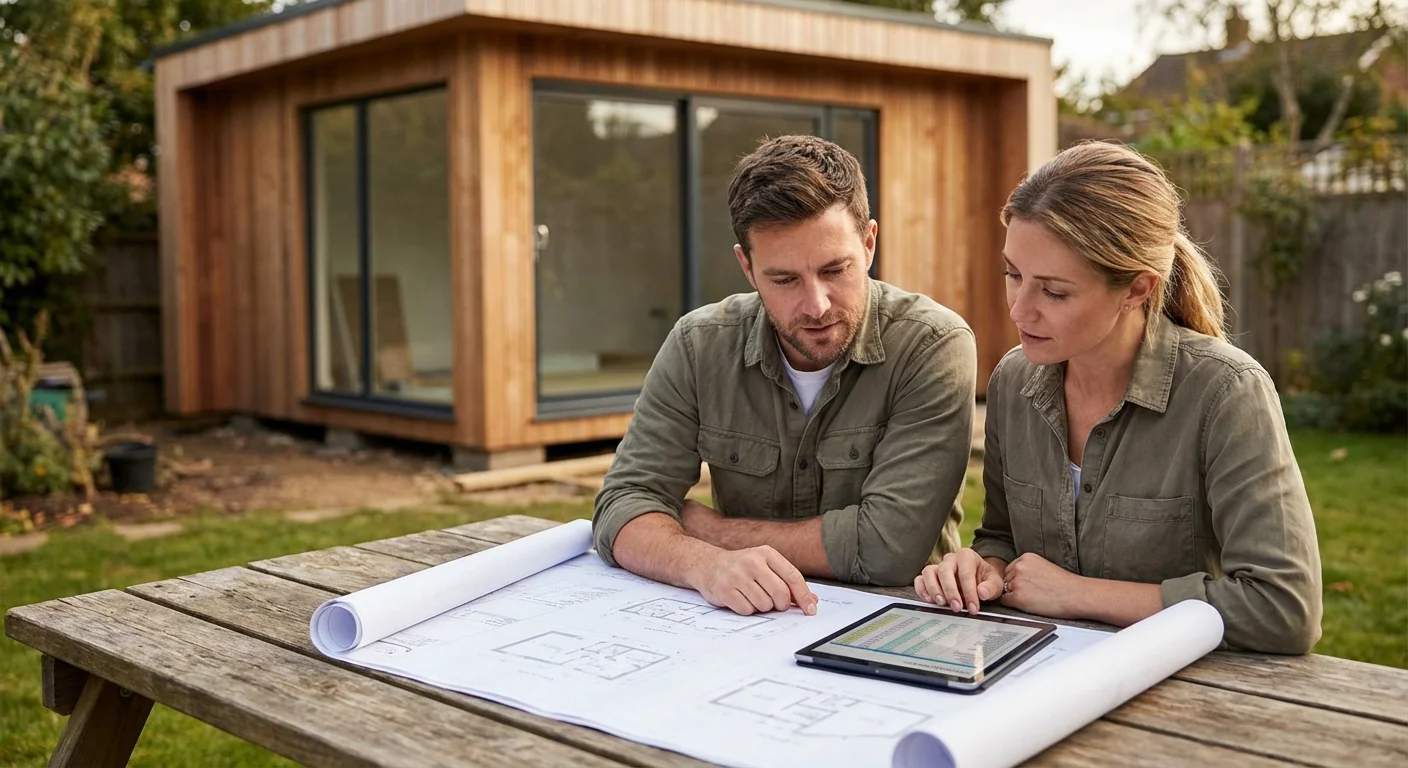
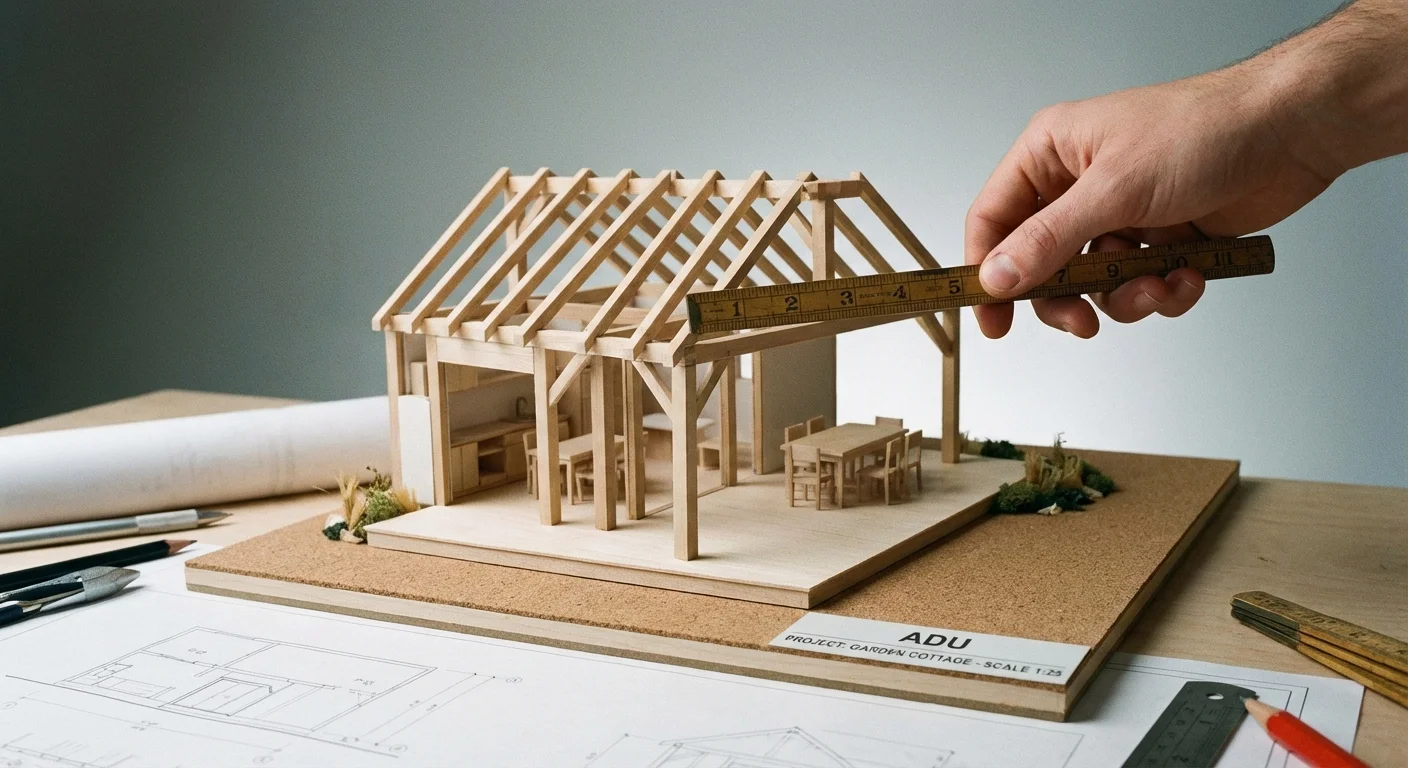
Before you break ground, you must understand the true accessory dwelling unit cost. It is rarely as simple as the price per square foot you see in a brochure. You are essentially building a miniature house, which means you face many of the same fixed costs as a full-sized home—foundation, roofing, plumbing, and electrical systems.
In major metropolitan areas, you can expect to pay anywhere from $250 to $500 per square foot for a high-quality ADU. While a 500-square-foot unit might cost $150,000 in a lower-cost region, that same unit could easily exceed $300,000 in California or the Pacific Northwest due to labor costs and stringent building codes. You must also budget for “soft costs,” which include:
- Permitting and Impact Fees: Many municipalities charge thousands of dollars just for the right to build. These fees fund local infrastructure like schools and sewers.
- Utility Connections: Trenching lines for water, sewer, and electricity from your main house to the ADU can cost between $5,000 and $20,000 depending on the distance and soil conditions.
- Design and Engineering: Unless you use a pre-approved “off-the-shelf” plan, you will likely need a structural engineer or architect to ensure the unit meets local seismic or snow-load requirements.
- Site Preparation: Removing trees, leveling the ground, or upgrading your main electrical panel to handle the extra load adds significant hidden costs.
According to data from the Department of Housing and Urban Development (HUD), ADUs are an effective way to increase housing density, but the high initial cost remains the primary barrier for most homeowners. To ensure a positive return, you must verify that the projected rental income or property value increase significantly outweighs these upfront expenses.
Why Tiny House Investment Often Breaks the Appreciation Rule
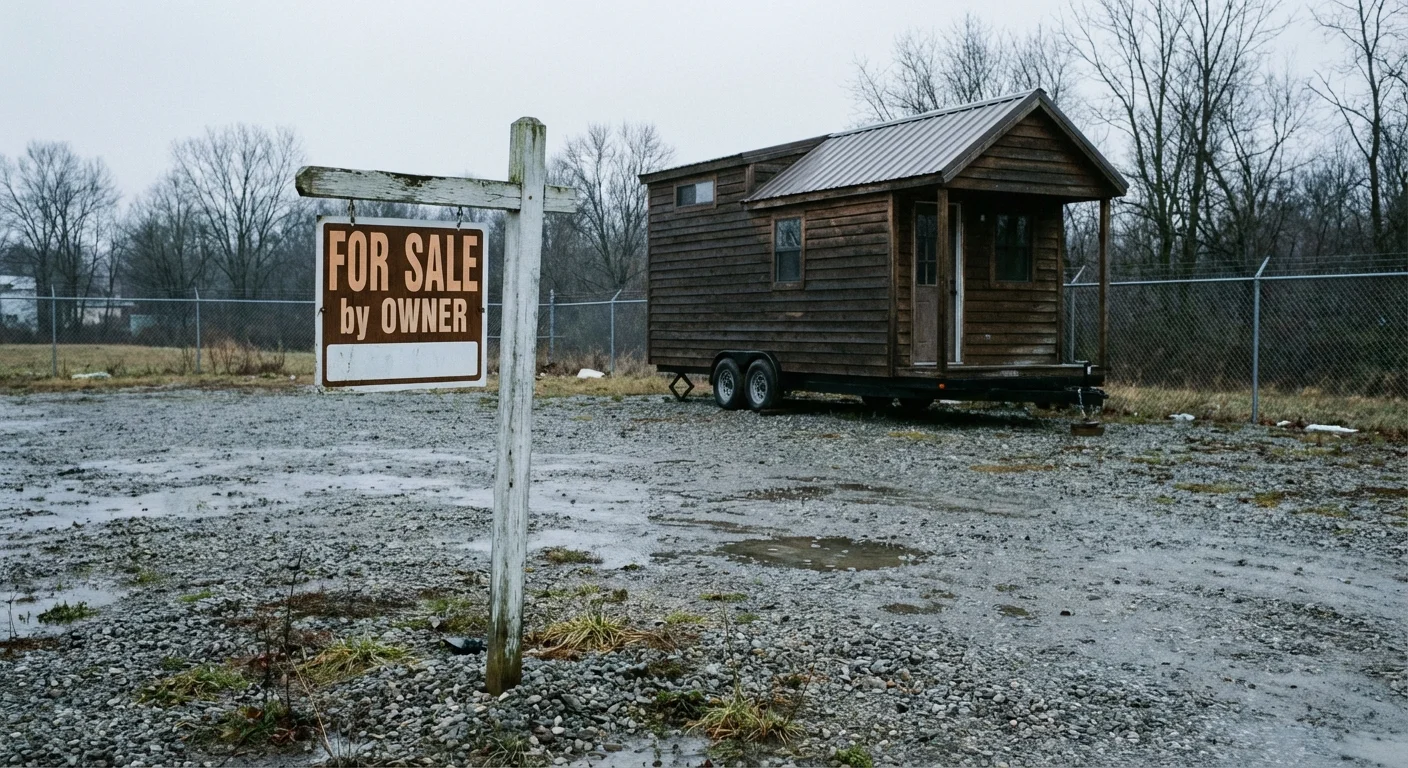
Real estate is traditionally a safe haven because homes tend to appreciate over time. However, the tiny house investment model often fails this test if the home is mobile. If you spend $80,000 on a custom-built tiny home on a trailer, you should prepare for its value to drop to $60,000 or less within five years. The wear and tear on a mobile structure, combined with the rapid evolution of building materials and “smart home” tech, makes older models less desirable.
Furthermore, finding a place to legally park a tiny home on wheels remains a massive challenge. Many counties prohibit living in an RV on a private lot for more than a few weeks. If you cannot secure a long-term, legal “parking” spot with utility hookups, your investment has zero utility. You are left with an expensive asset that you cannot legally inhabit or rent out easily.
If you are determined to invest in a tiny home on wheels, your best path to a return is through short-term rentals (like Airbnb). Travelers often pay a premium for the “novelty” of a tiny home. However, this moves your investment from the “real estate” category into the “hospitality business” category, which requires significantly more active management.

Measuring Your Potential Return on Investment (ROI)
To determine if an ADU or tiny home is a “good” investment, you must calculate the Cap Rate (Capitalization Rate). This is your net operating income divided by the total cost of the project. For example, if you build an ADU for $200,000 and it nets you $1,500 a month in rent after expenses ($18,000 a year), your Cap Rate is 9%.
In most real estate markets, a 9% return is excellent. However, you must also consider the “Recapture Period”—how long it takes for the rental income to pay back your initial investment. In this scenario, it would take roughly 11 years to break even on the cash outlay. If you plan to sell your home in five years, the investment only makes sense if the ADU increases your total property value by at least the amount you spent to build it.
Recent data from Bankrate suggests that in high-demand markets, an ADU can add roughly 25% to 35% to a property’s resale value. In a market where a home is worth $600,000, adding a $150,000 ADU might push the value to $750,000, meaning you “break even” on the equity the day the project is finished, while the monthly rent becomes pure profit.
Navigating the Zoning and Legal Labyrinth
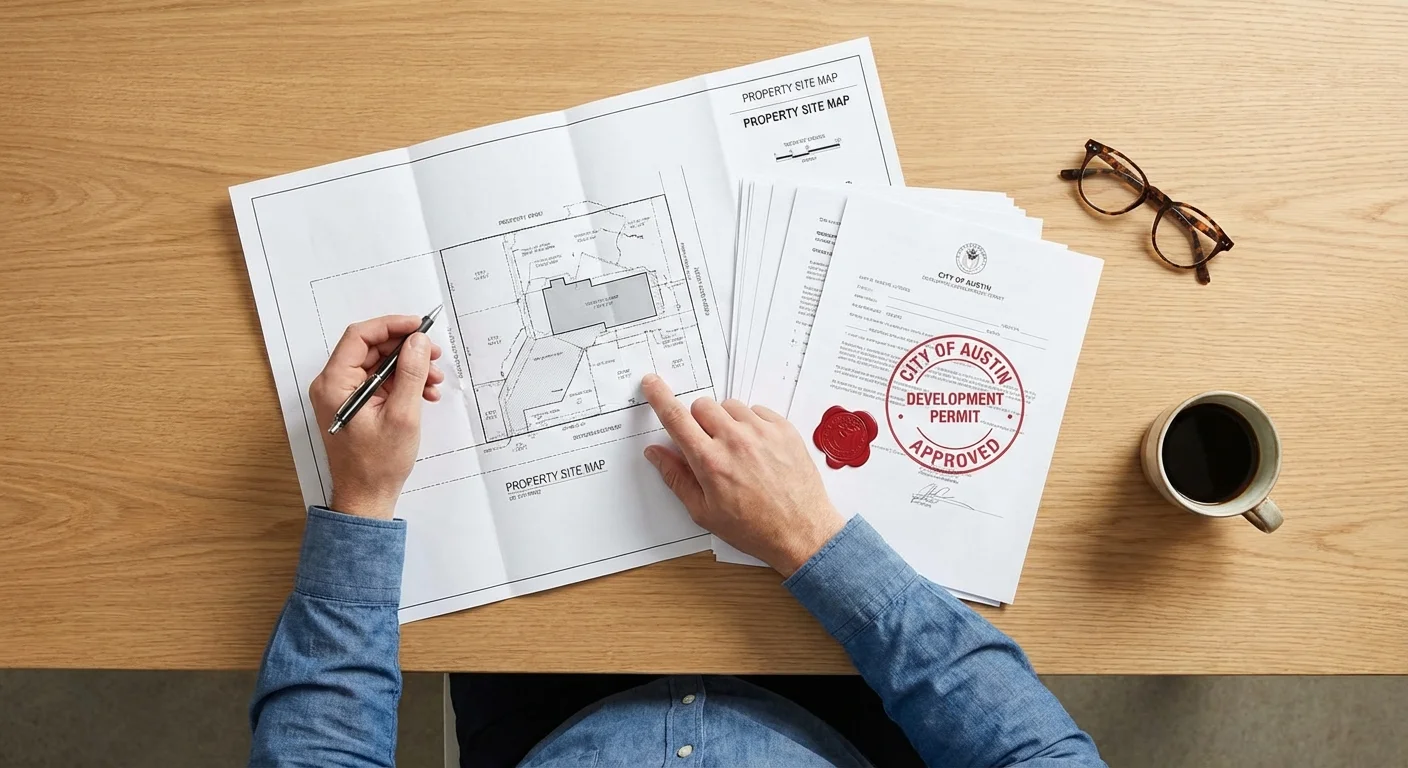
Your investment lives or dies by local zoning laws. In the last five years, states like California, Oregon, and Washington have passed “by-right” ADU laws that prevent local cities from banning these units. This has turned backyards in these states into gold mines for savvy homeowners. If you live in an area with restrictive zoning, however, you might spend $10,000 on plans only to have the city council deny your permit.
You must research your local “setback” requirements—the distance the structure must be from your property line—and your “floor area ratio” (FAR). If your main house already takes up the maximum allowed square footage for your lot, you cannot legally build an ADU. Always check with your local planning department before committing any funds. You can find general guidance on housing rights and regulations through the Consumer Financial Protection Bureau (CFPB) to protect yourself from predatory contractors during this phase.

Financing Your Miniature Expansion
Because ADUs are a relatively new trend in the mainstream, financing can be tricky. You generally have four options to fund your project:
- Cash: This is the safest way to invest, as you avoid interest payments that eat into your monthly rental yield. However, it ties up a large amount of liquidity.
- Home Equity Line of Credit (HELOC): This allows you to borrow against the equity in your primary home. Because interest rates on HELOCs are often variable, you must ensure your rental income can cover potential rate hikes.
- Construction Loans: Some lenders offer loans specifically for building ADUs. These often convert into a traditional mortgage once the project is complete.
- Renovation Loans: FHA 203(k) or Fannie Mae HomeStyle loans allow you to refinance your existing mortgage and include the costs of the ADU construction in the new loan amount.
Avoid using high-interest personal loans or credit cards to fund a small home living project. The 15% to 25% interest rates on these products will almost certainly guarantee a negative return on your investment.
Avoiding Common Errors in Small Living Investments
Even the best-laid financial plans can go off the rails if you make these common mistakes:
- Underestimating Utility Costs: Connecting to an existing sewer line often requires a specific “fall” or slope. If your yard is flat, you may need an expensive macerating pump system that requires regular maintenance.
- Over-Customizing: If you build a tiny home with a purple kitchen and a built-in loft that only fits a twin bed, you severely limit your rental pool and future resale value. Stick to neutral, high-quality finishes that appeal to the average renter.
- Ignoring Insurance: Standard homeowners’ insurance policies often do not cover a separate dwelling used for rental income. You must update your policy, or a single fire or pipe burst could wipe out your entire investment.
- Forgetting the “Shadow Costs”: Your property taxes will likely increase once the county assessor sees a new living structure on your lot. Factor an extra 1% to 1.5% of the construction cost into your annual carrying costs.
When DIY Isn’t Enough
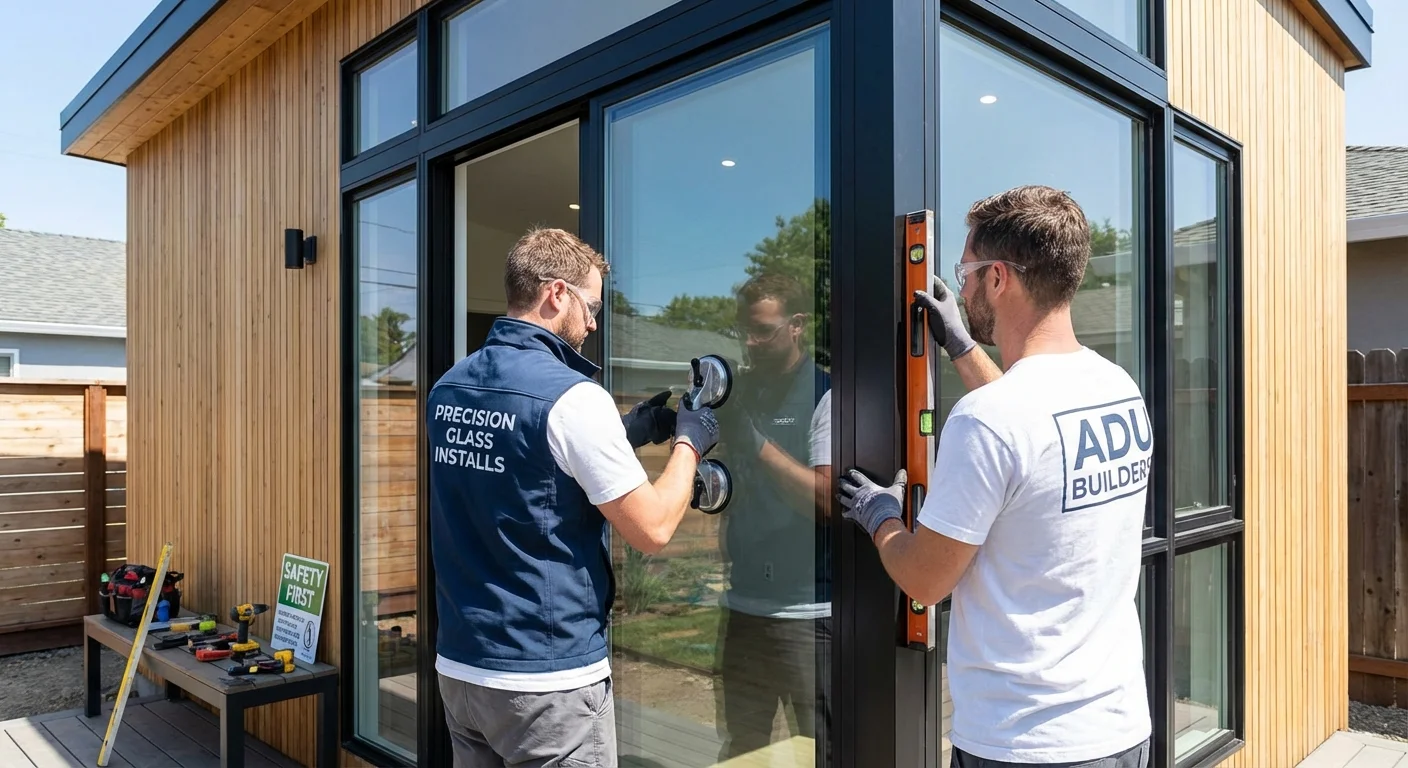
The “tiny house” movement was born from a DIY ethos, but for a serious investor, building it yourself isn’t always the smartest move. You should hire professionals in the following scenarios:
- Main Electrical Panel Upgrades: If your home has an older 100-amp panel, adding a second kitchen and HVAC system will likely blow your breakers. A licensed electrician is mandatory here to prevent fire risks and ensure code compliance.
- Foundation Work in Expansive Soil: If you live in an area with clay-heavy soil, a simple concrete slab might crack within two years. You need a structural engineer to design a foundation that won’t shift and ruin your investment.
- Complex Plumbing: Connecting a new dwelling to a municipal sewer main often requires permits and inspections that cities will only grant to licensed bonded plumbers.
“Price is what you pay. Value is what you get.” — Warren Buffett, Chairman of Berkshire Hathaway
Frequently Asked Questions
Can I use a tiny home as a primary residence to save for a larger home?
Yes, this is a popular strategy. By living in a tiny home for 3-5 years, you can drastically reduce your “shelter” costs, allowing you to aggressively save for a down payment on a traditional appreciating asset. However, remember that the tiny home itself may not provide a capital gain when you sell it.
Are ADUs legal in every state?
No. While many states are loosening restrictions to fight the housing crisis, zoning is still largely a local issue. Some homeowner associations (HOAs) also strictly prohibit any secondary dwellings, even if the city allows them.
Is it better to build a prefab ADU or a stick-built one?
Prefab (pre-fabricated) units are often faster to install and have predictable costs. Stick-built units (built on-site) allow for more customization and can sometimes blend better with the architecture of your existing home, which helps with resale value. Financially, prefabs often offer a faster “time to rent,” which can improve your first-year ROI.
How do I insure a tiny house on wheels?
You typically need specialized RV insurance or a policy from a provider that specifically covers “tiny homes.” Standard auto insurance will not cover the contents or the structure if you are living in it full-time. Check the FINRA Investor Education resources for tips on vetting insurance and financial products related to real estate.
Taking the Next Step
If you have the backyard space and the local zoning allows it, building an ADU is one of the most reliable ways to create “passive” income and increase your net worth simultaneously. It leverages the land you already own to create a new revenue stream. However, if you are looking at a tiny house on wheels, you must treat it like a car or a boat—it is a tool for a specific lifestyle, not a vehicle for wealth accumulation.
Start your journey by visiting your city’s planning website to look for “ADU Handbooks” or zoning maps. Run your numbers through a simple spreadsheet, accounting for construction costs, increased taxes, and conservative rental estimates. Small living can indeed be a grand investment, provided you build on a foundation of facts rather than just a Pinterest-inspired dream.
This is educational content based on general financial principles. Individual results vary based on your situation. Always verify current tax laws, investment rules, and benefit eligibility with official sources.
Last updated: February 2026. Financial regulations and rates change frequently—verify current details with official sources.








Leave a Reply