Most potential homeowners believe they need a 20% down payment to secure a mortgage. For a $300,000 home, that means saving $60,000—a figure that feels impossible for families living paycheck to paycheck or those just starting their careers. While FHA loans offer a lower 3.5% entry point, you still need thousands of dollars in the bank before you can even think about moving day.
The USDA Rural Development loan changes that math entirely. Often called the “hidden gem” of the mortgage world, this government-backed program allows you to purchase a home with zero money down. While the name suggests you might need to buy a tractor or a cornfield, the reality is far more accessible. Roughly 97% of the United States landmass is technically “rural” according to the USDA, including many quiet suburbs and small towns just outside major metropolitan hubs.

The Essentials: USDA Loans at a Glance
- Zero Down Payment: You can finance 100% of the home’s purchase price.
- Location-Based: The property must be located in a USDA-eligible area (typically populations under 35,000).
- Income Limits: Your household income cannot exceed 115% of the area’s median income.
- Lower Fees: Monthly mortgage insurance is significantly cheaper than FHA or conventional alternatives.
- Credit Flexibility: While most lenders prefer a score of 640, you may still qualify with lower scores through manual underwriting.

Understanding the Zero Down Mortgage Advantage
The USDA loan program exists to encourage growth and stability in less densely populated areas. Because the U.S. Department of Agriculture guarantees the loan, private lenders take on less risk. This guarantee allows them to offer you 100% financing without requiring the massive down payments common in the traditional market.
Compare this to other popular programs. A conventional loan often requires 3% to 5% down for first-time buyers. An FHA loan requires 3.5%. On a $250,000 home, an FHA loan still demands $8,750 upfront—not including closing costs. With a USDA loan, that $8,750 stays in your pocket, allowing you to fund repairs, buy furniture, or bolster your emergency fund.
“A house is a major asset, but it is also a major liability if you don’t have the cash flow to maintain it. Finding ways to minimize your upfront entry cost while maintaining a low monthly payment is key to long-term stability.” — Suze Orman, Personal Finance Expert

Navigating USDA Loan Eligibility: The Two Main Hurdles
To qualify for this program, you must clear two specific hurdles: the property’s location and your household’s income. Unlike other loans where your credit score is the primary gatekeeper, the USDA program focuses heavily on making sure the loan serves the “moderate-to-low income” population in specific geographic zones.
1. Geographic Eligibility
You don’t have to live in the middle of nowhere. Many areas that feel like traditional suburbs qualify for USDA financing. Generally, a town with a population of 20,000 or fewer is almost always eligible, and some areas with up to 35,000 residents still make the cut. You can use the Department of Housing (HUD) resources or the official USDA eligibility map to search specific addresses. If a street is just one block outside the city limits, it might be the difference between needing a 5% down payment and 0%.
2. Income Limits
The USDA wants to help those who need it most. They set income caps based on the “Area Median Income” (AMI). In most parts of the country, the limit for a 1-4 person household is approximately $110,650, but this can climb much higher in “high-cost” counties. It is important to remember that the USDA counts the income of everyone in the household over age 18—even if they aren’t on the mortgage—when determining eligibility.

The Cost Comparison: USDA vs. FHA vs. Conventional
While the 0% down feature is the headline, the ongoing costs of a USDA loan are often the real reason it wins over other options. Every government-backed loan has some form of mortgage insurance. The USDA version consists of an “Upfront Guarantee Fee” and an “Annual Fee.”
| Feature | USDA Loan | FHA Loan | Conventional Loan |
|---|---|---|---|
| Down Payment | 0% | 3.5% | 3% to 20% |
| Upfront Fee | 1.00% (Can be rolled into loan) | 1.75% | None |
| Monthly Insurance | 0.35% annually | 0.55% (typically) | Varies (PMI) |
| Credit Score | 640 preferred | 580+ | 620+ |
As the table illustrates, the USDA loan’s annual fee is nearly half the cost of the FHA’s mortgage insurance. Over the course of 30 years, this can save you tens of thousands of dollars. Furthermore, the 1% upfront fee can be rolled into the total loan amount, meaning you truly can show up to the closing table with minimal cash on hand.
Types of USDA Loans: Guaranteed vs. Direct
Most borrowers will utilize the Single Family Housing Guaranteed Loan Program. In this scenario, you work with a private lender (like a bank or credit union), and the USDA provides the insurance. This is the fastest route to homeownership and works like a standard mortgage process.
However, if your income is significantly lower—specifically “very low” (below 50% of the area median)—you might qualify for the Section 502 Direct Loan Program. In this case, the USDA acts as the lender itself. These loans can offer interest rates as low as 1% and payment terms stretched out to 38 years to make the monthly cost affordable. You can find more details on these specialized subsidies through the USA.gov Benefits portal.

How to Qualify with “Bumpy” Credit
Do not assume a few missed payments from three years ago will disqualify you. The USDA looks for a “validated” credit history. Generally, a score of 640 allows for “streamlined” processing through the USDA’s automated underwriting system. If your score is below 640, you may still qualify through manual underwriting.
In manual underwriting, a human looks at your “compensating factors.” Do you have a history of paying rent on time? Have you held the same job for several years? Do you have significant cash reserves? Lenders use these details to build a case for your reliability. If you are struggling with debt, consulting the National Foundation for Credit Counseling (NFCC) can help you clean up your report before you apply.
What Can Go Wrong: Common Pitfalls to Avoid
While the USDA program is powerful, it has strict rules that can derail a deal if you aren’t prepared. Understanding these “deal-breakers” early will save you time and money.
- The “Farmer” Misconception: Do not buy a property with the intent to run a commercial farm. USDA loans are for residential living. While you can have a garden or a few chickens, if the property’s value is primarily in its agricultural production capacity, the USDA will likely reject the loan.
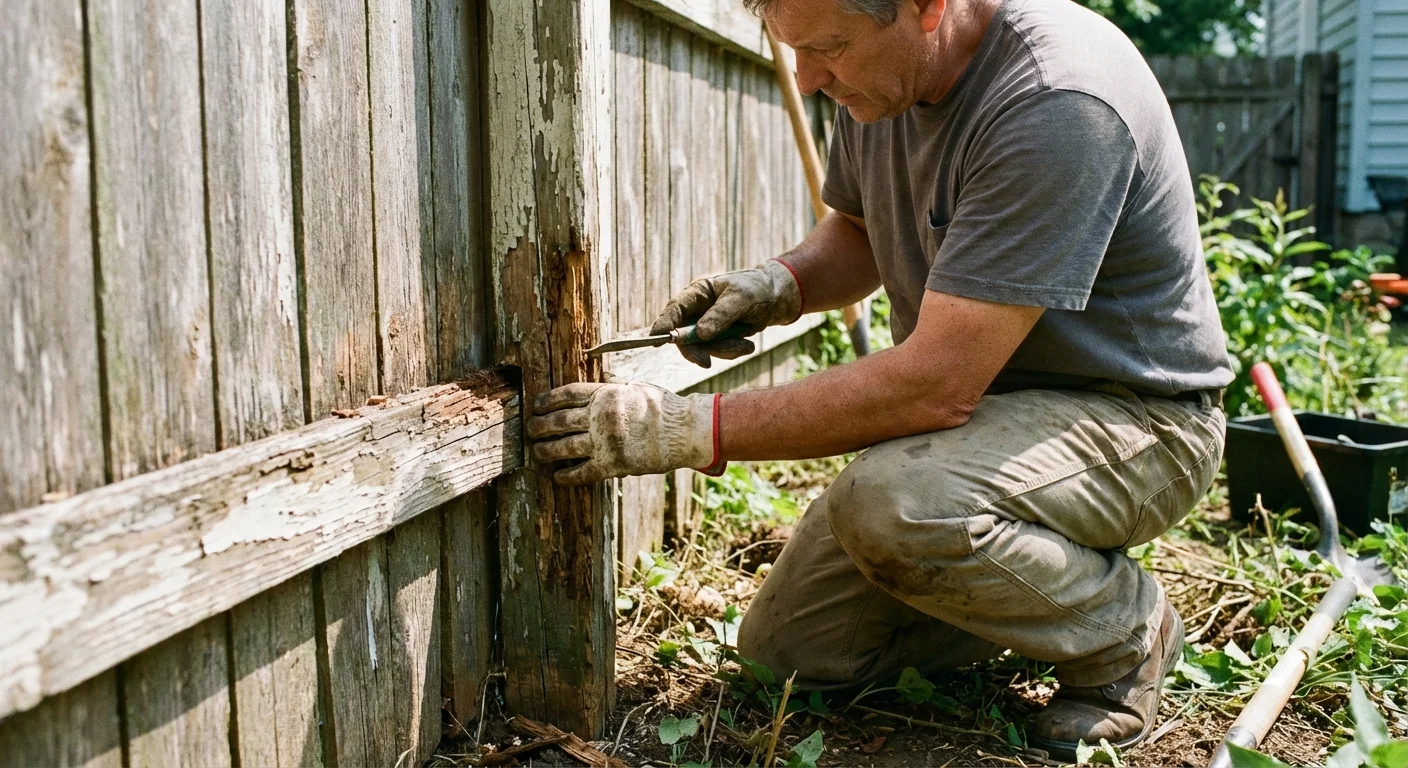
- Property Condition: The USDA has strict safety and habitability standards. If a house has peeling lead paint, a failing roof, or structural issues, the appraiser will require repairs before the loan closes. You cannot buy a “fixer-upper” with a standard USDA Guaranteed loan unless you use specific renovation riders.
- Debt-to-Income (DTI) Ratios: The USDA typically likes to see your total monthly debt (including the new mortgage) stay under 41% of your gross monthly income. If you have high car payments or massive student loan debt, you may need a higher credit score or a larger income to compensate.
- Household Income vs. Applicant Income: This is the most common mistake. If you apply for the loan by yourself, but your spouse or a roommate lives with you and earns an income, their money counts toward the 115% limit. Many people get “over-income” for a USDA loan because they forgot to include a teenager’s part-time job or a spouse’s side hustle.

Bonus Resource: Rural Housing Grants (Section 504)
If you already own a home in a rural area or find a home that needs immediate health and safety repairs, look into rural housing grants. The Section 504 Home Repair program provides loans to very-low-income homeowners to repair, improve, or modernize their homes. For seniors (aged 62 and older), these can actually be grants of up to $10,000 that do not have to be repaid unless the property is sold within three years. This is a vital resource for maintaining the value and safety of your investment.

Step-by-Step: The Path to Your 0% Down Home
- Check the Map: Visit the USDA Rural Development website and plug in the zip codes or specific addresses where you want to live.
- Verify Your Income: Calculate the total gross income for every adult who will live in the home. Compare this to the limits for your specific county.
- Find a USDA-Approved Lender: Not every bank offers USDA loans. They require specific training and approval. Ask potential lenders, “How many USDA loans have you closed in the last 12 months?”
- Get Pre-Approved: This will give you a specific budget. In a competitive market, you need a pre-approval letter to show sellers you are a serious buyer.
- Shop for a Home: Work with a real estate agent who understands USDA requirements. They can help you spot properties that might fail the USDA’s strict appraisal standards.
- The Appraisal and Review: Once you find a home, the lender will order a USDA-specific appraisal. After the lender approves your file, they send it to the USDA state office for a final “commitment” signature. This adds a few extra days to the closing process compared to a conventional loan.

When to Consult a Professional
While this guide provides the framework, certain situations require expert intervention to ensure you don’t lose your earnest money or waste months on a rejected application. Consult a mortgage professional or financial advisor if:
- You are self-employed: Calculating USDA-eligible income for business owners is complex, as it involves adding back certain depreciations and subtracting specific expenses.
- You have “thin” credit: If you have no credit score at all, a specialist can help you build a non-traditional credit profile using utility and rent receipts.
- The property has multiple buildings: If there is a guest house, a large barn, or a workshop, you need an expert to determine if the USDA will classify it as “income-producing property,” which could lead to a denial.

Taking the First Step
Buying a home is the most significant financial move you will likely make. By leveraging a USDA loan, you bypass the biggest hurdle—the down payment—and secure a monthly payment that is often lower than what you currently pay in rent. This isn’t just about finding a house; it is about building equity and creating a stable foundation for your financial future.
Start by identifying three or four towns on the outskirts of your current city. Check the eligibility map, look at the local listings, and realize that homeownership is much closer than you think. You don’t need a massive windfall or a six-figure inheritance to get the keys to your own front door; you just need to use the programs designed to help you succeed.
The information in this guide is meant for educational purposes. Your specific circumstances—including income, debt, tax situation, and goals—may require different approaches. When in doubt, consult a licensed professional.
Last updated: February 2026. Financial regulations and rates change frequently—verify current details with official sources.








Leave a Reply