
If you leave $10,000 in a traditional savings account at one of the nation’s largest “brick-and-mortar” banks, you might earn a staggering $1.00 in interest after an entire year. That is not a typo. With an average interest rate hovering around 0.01% to 0.06% for many standard accounts, your money isn’t just sitting still; it is actively losing purchasing power to inflation. Meanwhile, moving that same $10,000 to a high-yield savings account (HYSA) could earn you $400, $500, or even more over the same twelve months, depending on the current interest rate environment.
Choosing where to park your cash is one of the simplest yet most impactful financial decisions you can make. It requires no complex stock picking, no high-risk gambling, and very little of your time. This guide breaks down the structural differences between standard and high-yield accounts, why the best place for an emergency fund is almost never your local branch, and how you can maximize your returns without sacrificing safety.
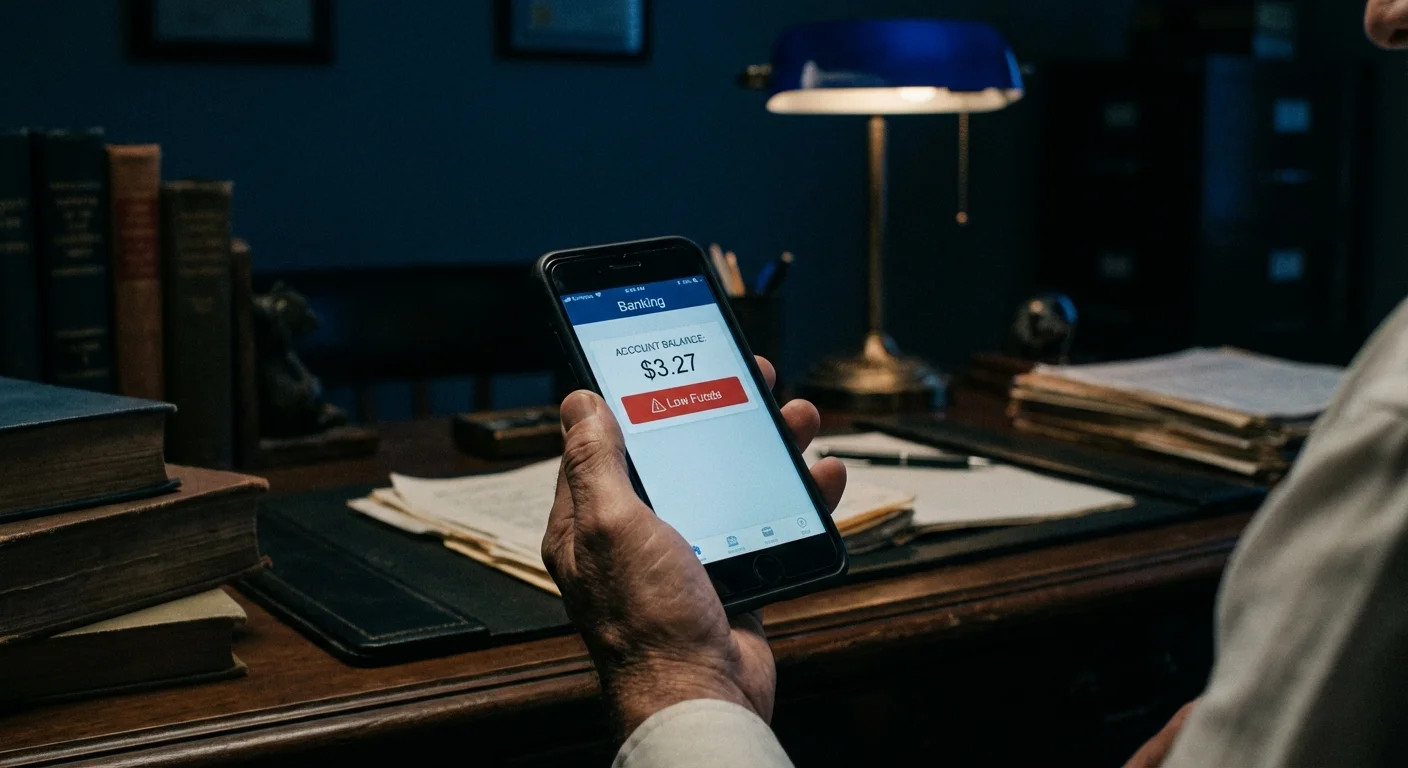
The Invisible Cost of Convenience in Standard Savings
Most Americans keep their savings at the same institution where they have their primary checking account. This “one-stop shop” approach offers convenience—you can see all your balances in one app and transfer money instantly. However, big-brand banks often pay for their massive physical footprints and extensive advertising budgets by offering customers bottom-of-the-barrel interest rates. They bank on your inertia, assuming you won’t go through the effort of opening a separate account elsewhere for a few extra percentage points.
Standard savings accounts typically serve as a holding pen rather than a growth vehicle. While they provide a safe place to store money away from your checking account, they fail to combat the rising cost of living. According to data from the Federal Reserve, interest rates on traditional savings accounts frequently lag significantly behind the federal funds rate. When the Fed raises rates, these banks are often slow to pass those gains on to you. When the Fed cuts rates, however, they are often the first to lower their yields.
A standard account might offer features like ATM access or in-person teller service, which some people value. But for an emergency fund—money you hope you never have to touch—these features are often unnecessary and come at a high opportunity cost.

What Exactly Is a High-Yield Savings Account?
A high-yield savings account is functionally identical to a standard savings account, with one major exception: the interest rate. These accounts are predominantly offered by online banks, credit unions, and the digital arms of larger financial institutions. Because online-only banks do not have to pay for thousands of physical branches, tellers, or utility bills for office buildings, they pass those savings on to you in the form of a higher Annual Percentage Yield (APY).
The primary characteristics of a HYSA include:
- Competitive APY: Often 10 to 20 times higher than the national average for standard accounts.
- FDIC or NCUA Insurance: Your deposits are protected up to $250,000 per depositor, per institution, ensuring your cash is just as safe as it would be at a traditional bank.
- Liquidity: You can typically move your money back to your checking account within one to three business days via electronic transfer.
- Low or No Fees: Most top-tier HYSAs waive monthly maintenance fees to attract savvy savers.

Savings Account Comparison: Side-by-Side
To visualize the difference, consider how a standard account compares to a high-yield option across several key categories. The data below reflects common industry trends for the 2024-2026 period.
| Feature | Standard Savings Account | High-Yield Savings Account |
|---|---|---|
| Typical APY | 0.01% – 0.10% | 4.00% – 5.50% |
| Annual Interest on $10k | $1.00 – $10.00 | $400.00 – $550.00 |
| Monthly Fees | Common ($5–$15) unless balance is high | Rarely charged |
| Access to Cash | Instant (via ATM or Teller) | 1–3 days (Transfer to checking) |
| Physical Branches | Thousands nationwide | Few or none (Digital focus) |

Why the Best Place for an Emergency Fund is a HYSA
An emergency fund is your financial safety net. Financial experts, including those at Investopedia, generally recommend keeping three to six months of expenses in a liquid account. However, “liquid” does not have to mean “earning nothing.”
By placing your emergency fund in a high-yield account, you allow the money to maintain its value against inflation. If you have $20,000 saved for a rainy day and inflation is running at 3%, you need that money to grow by at least $600 a year just to keep the same buying power. A standard savings account won’t even get you close. A HYSA, however, often matches or exceeds the inflation rate, ensuring that your $20,000 can still buy $20,000 worth of groceries or car repairs three years from now.
Furthermore, keeping your emergency fund in a separate online bank creates a “psychological barrier.” When your savings are at a different bank than your daily checking account, you are less likely to dip into them for non-emergency purchases. Out of sight truly is out of mind.
“The most important quality for an investor is temperament, not intellect.” — Warren Buffett, Chairman and CEO of Berkshire Hathaway
While Buffett often speaks about the stock market, his advice applies to cash management as well. Having the temperament to set up a system where your cash works for you automatically—without you having to “think” about it—is the hallmark of a successful saver.
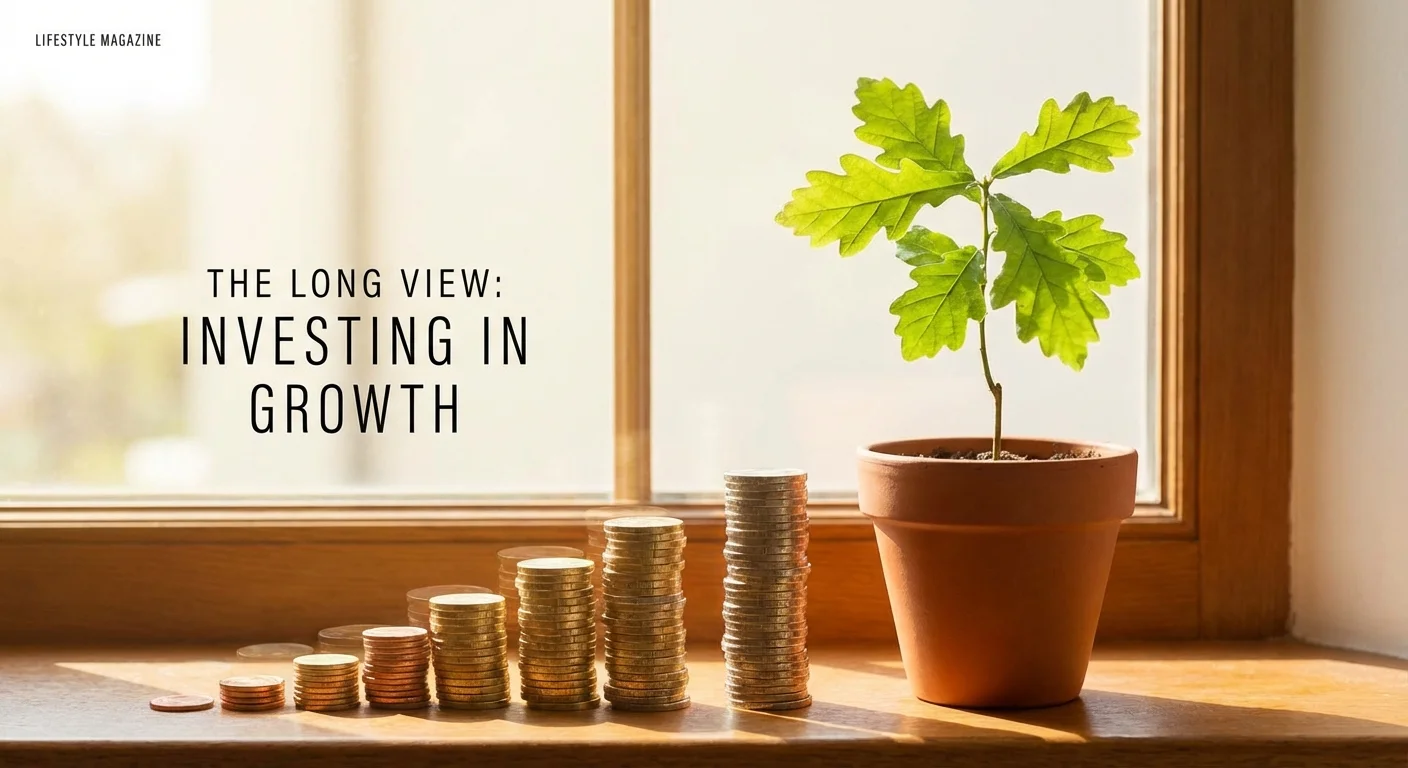
The Power of Compounding Interest Over Time
Most people underestimate the impact of small percentage differences because they focus on the short term. When you look at the math over a decade, the “convenience” of a standard savings account becomes incredibly expensive. Compound interest is the process where your interest earns interest, and a higher starting rate accelerates this cycle exponentially.
Consider a scenario where you save $500 per month into an account that already has a $5,000 balance. If you do this for 10 years:
- In a Standard Account (0.05% APY): Your total balance after 10 years would be approximately $65,300. You earned only about $300 in total interest over a decade.
- In a High-Yield Account (4.50% APY): Your total balance after 10 years would be approximately $83,000. You earned $18,000 in interest.
In this example, choosing the right “parking spot” for your cash earned you an extra $17,700 for doing absolutely no extra work. That is the price of inertia. For more tools on calculating your own potential growth, visit Investor.gov.

Pitfalls to Watch For
While high-yield savings accounts are generally superior for cash storage, they are not without their quirks. You must navigate a few potential traps to ensure you are actually getting the deal you signed up for.
Teaser Rates and “New Money” Requirements: Some banks advertise a massive APY only to reveal in the fine print that it is a “promotional rate” that expires after three months. Others require “new money,” meaning you can’t get the rate if you are already a customer transferring funds between internal accounts. Always read the terms to see how long the rate is guaranteed.
Transfer Limits and Regulation D: Historically, the Federal Reserve’s Regulation D limited savings account withdrawals to six per month. While the Fed suspended this requirement in 2020, many banks still enforce their own limits or charge “excessive transaction fees” if you move money too frequently. HYSAs are meant for storage, not for paying your weekly bills.
The “Customer Service” Gap: Because many high-yield accounts are at online-only banks, you cannot walk into a branch to complain if a transfer gets stuck. You rely entirely on phone support, chat, and email. Before opening an account, check recent reviews of the bank’s mobile app and customer service responsiveness.
Variable Rates: Unlike a Certificate of Deposit (CD), the rate on a HYSA is variable. If the Federal Reserve lowers interest rates, your bank will likely lower your APY within days. You aren’t “locking in” a rate; you are simply opting for a higher baseline.

How to Move Your Money Safely
If you have decided to switch to a HYSA, follow these steps to ensure a smooth transition without triggering fees or leaving yourself short on cash.
First, audit your current bank’s “minimum balance” requirements. Do not close your old account immediately if it serves as your primary checking hub. Instead, determine how much you need to keep in that account to avoid a monthly maintenance fee. Leave that “buffer” amount and prepare to move the rest.
Second, choose your new institution. Look for FDIC insurance and a clean fee schedule. Websites like Bankrate provide updated lists of the highest-earning accounts currently available. Once you open the new account, link it to your existing checking account through an ACH (Automated Clearing House) connection. This usually involves verifying two small “micro-deposits.”
Finally, initiate the transfer. Most banks allow you to move up to $50,000 or $100,000 per day electronically. If you are moving a very large sum (e.g., from a home sale), you may need to initiate a domestic wire transfer, which often carries a fee but moves the money the same day.

High-Yield Savings vs. Money Market Accounts (MMAs)
As you shop for a place to park your cash, you will likely encounter Money Market Accounts. These are essentially a hybrid between a savings account and a checking account. They often offer high-yield interest rates similar to a HYSA, but they frequently come with check-writing privileges and a debit card.
An MMA might be the better choice if you want high interest but also need the ability to occasionally write a check directly from your savings for a large purchase, like a property tax bill or a down payment. However, MMAs often require a higher minimum balance to earn the advertised rate or to waive monthly fees. If you simply want the highest rate possible for your emergency fund, a plain-vanilla HYSA is usually the most straightforward path.

Getting Expert Help
While opening a savings account is a DIY task, there are specific scenarios where you should consult a financial professional before moving significant amounts of cash.
- Large Windfalls: If you have recently inherited a large sum or sold a business, a Certified Financial Planner (CFP) can help you balance cash needs with tax-efficient investment strategies.
- Complex Tax Situations: Interest earned in a HYSA is taxable as ordinary income. If you are in a very high tax bracket, a professional might suggest tax-exempt municipal money market funds instead.
- Debt Prioritization: If you have high-interest credit card debt, an expert can help you decide if your cash should go into a HYSA or if you should use it to pay off debt first to save on interest costs.
For those seeking professional guidance, the Certified Financial Planner Board provides resources to find reputable advisors in your area.
Frequently Asked Questions
Is my money as safe in an online bank as it is in a local bank?
Yes, as long as the bank is FDIC-insured (for banks) or NCUA-insured (for credit unions). This insurance protects up to $250,000 per person, per institution. If the bank fails, the federal government ensures you get your money back. Always look for the FDIC logo on the bank’s website.
Do I have to pay taxes on the interest I earn?
Yes. Any interest you earn in a savings account is considered taxable income by the IRS. At the beginning of the year, your bank will send you a Form 1099-INT if you earned at least $10 in interest. You must report this on your federal and state tax returns.
How long does it take to get my money out of a high-yield savings account?
Standard ACH transfers typically take one to three business days to reach your external checking account. Some newer fintech banks offer “instant” transfers if you link a debit card, though these may come with a small fee. For most people, a two-day delay is a minor trade-off for the significantly higher interest rate.
Can I have more than one high-yield savings account?
Absolutely. Many people use “sinking funds,” which involves opening multiple accounts (or using one account with “buckets”) to save for different goals like a wedding, a new car, and a house down payment. This keeps your goals organized and ensures every dollar is earning the maximum possible interest.
Every day your money sits in a standard 0.01% savings account is a day you are essentially paying the bank to hold your cash. By taking twenty minutes to open a high-yield savings account, you turn your “lazy” money into a productive asset. It is one of the few moves in personal finance that carries zero risk but offers a guaranteed, immediate reward.
Start by checking the current APY on your existing savings account today. If it starts with a zero followed by another zero (like 0.05%), it is time to move. Research three highly-rated online banks, compare their current rates and mobile app features, and take the first step toward making your money work as hard as you do.
The information in this guide is meant for educational purposes. Your specific circumstances—including income, debt, tax situation, and goals—may require different approaches. When in doubt, consult a licensed professional.
Last updated: February 2026. Financial regulations and rates change frequently—verify current details with official sources.









Leave a Reply