
You hear a rhythmic thumping coming from your rear passenger tire while driving to work. Your heart sinks because you know exactly what that sound represents: a looming bill. When you pull over, you find a jagged nail embedded in the sidewall. This is a textbook financial emergency. It was unexpected, it is urgent, and it is necessary for your daily life. You reach for your emergency fund, pay the $200 for a new tire, and go about your day with your financial foundation intact.
Two weeks later, you realize your car insurance premium is due. It costs $800, and you do not have the cash in your checking account. You might feel the same spike of adrenaline and panic that you felt with the flat tire; however, this is not an emergency. It is a predictable expense that simply lacked a plan. When you use emergency fund reserves to cover predictable life events, you leave yourself vulnerable to the real crises that inevitably follow.
A 2024 study by Bankrate revealed that only 44% of U.S. adults could cover a $1,000 emergency from their savings. When your margin is that thin, every dollar in your reserve counts. Understanding the difference between a true crisis and a “non-emergency” emergency allows you to protect your long-term security. You must stop treating your savings account like a secondary checking account for your poor planning.

The Essentials of a Resilient Safety Net
Before identifying what does not count as an emergency, you should understand the purpose of this specific stash of cash. Your emergency fund acts as insurance, not an investment or a slush fund. Most financial experts recommend keeping three to six months of essential living expenses in a high-yield savings account. This liquidity ensures that a job loss or a medical crisis does not force you into high-interest credit card debt.
“An emergency fund is not an investment; it is an insurance policy. You don’t look at the return on your car insurance; you look at the protection it provides.” — Dave Ramsey, Personal Finance Author and Broadcaster
When you raid this fund for non-emergencies, you effectively cancel your insurance policy. To maintain your financial integrity, you must distinguish between your “Emergency Fund” and your “Sinking Funds.” While the emergency fund covers the unknown, sinking funds cover the known but irregular costs of life.
1. Predictable Annual or Semi-Annual Expenses
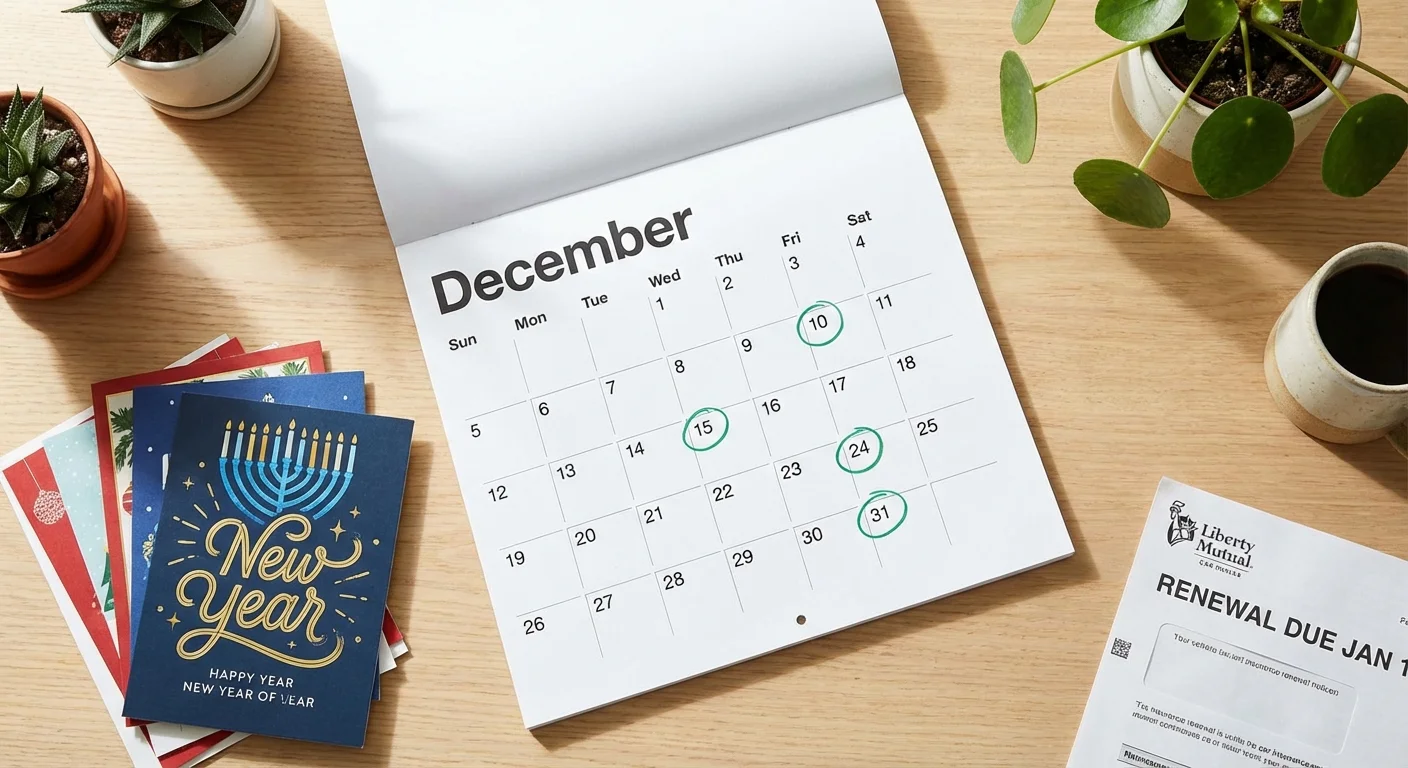
Many people treat annual costs as surprises. You might feel blindsided by your Amazon Prime renewal, your professional licensing fees, or your property taxes. However, the calendar does not lie. If you know an expense occurs every twelve months, it is a budgeting failure, not an emergency.
Consider the holiday season. Every December, millions of Americans “accidentally” spend more than they planned, often dipping into savings or using credit cards to fund gifts and travel. Because December 25th occurs on the same day every year, you have 365 days to prepare. Using emergency savings for gifts robs your future self to pay for temporary cheer.
To fix this, you should calculate your total annual “surprises.” Total your car registration, holiday spending, annual subscriptions, and tax prep fees. Divide that total by 12. This is the amount you must set aside every month in a dedicated sinking fund. If your annual costs total $2,400, you need to save $200 per month. When the bill arrives, you pay it from the sinking fund, leaving your emergency reserves untouched.

2. Foreseeable Home and Vehicle Maintenance
If you own a home, you know that things eventually break. An HVAC system typically lasts 15 to 25 years. A roof might last 20 to 30 years. Water heaters usually give out after a decade. While the exact Tuesday that your water heater starts leaking is unknown, the fact that it will eventually fail is 100% certain.
The Consumer Financial Protection Bureau (CFPB) emphasizes that maintenance is a core part of the cost of ownership. Treating a worn-out set of tires or a scheduled 60,000-mile car service as an emergency is a strategic mistake. You can see your tire tread wearing down over months; you can see the mileage on your odometer increasing daily.
You should aim to save 1% to 2% of your home’s value each year for maintenance. If your home is worth $350,000, setting aside $3,500 annually ensures that when the dishwasher dies, you aren’t panicking. By funding these repairs through a maintenance budget, you preserve your emergency fund for the “catastrophic” events—like a tree falling through your roof or a sudden job relocation.
| Scenario | Classification | Recommended Funding Source |
|---|---|---|
| Sudden job layoff | True Emergency | Emergency Fund |
| Annual car registration | Predictable Expense | Sinking Fund (Auto) |
| Replacing 10-year-old tires | Maintenance | Sinking Fund (Maintenance) |
| Unplanned emergency room visit | True Emergency | Emergency Fund |
| Holiday gift shopping | Lifestyle Choice | Monthly Budget / Holiday Fund |

3. Social Obligations and “Once-in-a-Lifetime” Invitations
Your best friend from college decides to have a destination wedding in Tulum. You are thrilled for them, but the flight, hotel, and gift will cost $2,500. You haven’t saved for it, but you don’t want to miss out. You tell yourself, “This is a once-in-a-lifetime event; I’ll just use some of my emergency savings.”
This logic is dangerous. Social pressure often masquerades as a financial emergency. While the relationship is important, your financial security is the foundation upon which you build your life. Using an emergency fund for a wedding or a milestone birthday party is a choice to prioritize a weekend of fun over six months of security.
You must learn to say “no” or “not like that.” If you cannot fund the trip through your current cash flow or a dedicated travel fund, you cannot afford it. True emergencies are things you *must* do to survive and stay employed. A vacation—no matter how meaningful—is a luxury. According to data from Investopedia, lifestyle creep and social spending are among the primary reasons why high-earners still live paycheck to paycheck. Break the cycle by keeping your savings off-limits for social pressure.

4. The “Limited-Time” Deal or Sale
Retailers are masters of creating artificial urgency. You see a “Flash Sale” for a 75-inch television or a designer sofa at 50% off. You’ve wanted a new TV for a year, and this price is “too good to pass up.” You justify raiding your savings because you are “saving money” on the purchase.
Mathematically, you are not saving money; you are spending it. More importantly, you are trading liquid security for a depreciating asset. An emergency fund must remain liquid—meaning you can access it instantly in cash form. Once that money is tied up in a television, it is useless when your basement floods or your child needs an urgent dental procedure.
If you find a deal you love, it should come out of your “fun money” or a specific “home upgrade” sinking fund. If those funds are empty, the deal doesn’t matter. There will always be another sale. The market is designed to make you feel like you are missing out, but the only thing you are truly missing out on when you spend your emergency fund is peace of mind.

5. Minor “Inconveniences” vs. Actual Crises
You need to distinguish between an inconvenience and an emergency. If your refrigerator’s ice maker stops working, that is an inconvenience. You can buy a $2 bag of ice at the gas station for months while you save up for the repair. If the entire refrigerator dies and all your food is spoiling, that is closer to an emergency—though even then, you should try to pivot within your monthly budget first.
Many people use their emergency fund for “urgent” upgrades. Your phone is lagging, or your laptop takes three minutes to boot up. These are productivity hurdles, but they aren’t emergencies unless your livelihood depends on them and they have completely ceased to function. If the screen is cracked but it still makes calls, you have time to save for a replacement.
By raising your threshold for what constitutes an “emergency,” you naturally grow your net worth. You force yourself to become more resourceful. You find ways to stretch your current tools further, which keeps your capital working for you in high-yield accounts or investments rather than sitting in the pocket of a retailer.
“The stock market is a device for transferring money from the impatient to the patient.” — Warren Buffett, Chairman and CEO of Berkshire Hathaway
This wisdom applies to your savings account as well. The impatient person spends their “emergency” fund on a new laptop today. The patient person waits three months, saves the cash, and keeps their safety net intact for when it truly matters.

Avoiding Common Errors
When you start protecting your savings, you will likely encounter these common pitfalls. Awareness is the first step to avoiding them.
- The “I’ll Pay Myself Back” Lie: You promise to replenish the fund next month. Data shows that once a fund is depleted for a non-emergency, the habit of raiding it becomes easier, and the “repayment” rarely happens at the speed you intended.
- Keeping Savings Too Accessible: If your emergency fund is linked to your debit card, you are more likely to use it for a “quick fix” at the register. Consider moving your emergency fund to a different bank entirely to create “positive friction.”
- Vague Definitions: If you don’t define what an emergency is, everything feels like one. Write down your “Rules of Engagement” for your savings. For example: “This money is only for job loss, medical bills exceeding $500, or car repairs that prevent the vehicle from being driven.”
- Ignoring the Sinking Fund: If you only have one big pot of savings, you will naturally spend it. Use sub-accounts or a tracking spreadsheet to separate your “Roof Fund” from your “Emergency Fund.”

Building a “Buffer” to Protect Your Savings
The best way to stop touching your savings is to build a “buffer” in your checking account. Many successful savers keep one month’s worth of expenses as a “floor” in their primary account. If your monthly bills are $3,000, you aim to never let your checking account balance drop below $3,000.
This buffer absorbs the minor shocks of life—the $150 school field trip, the $80 vet visit, or the $100 increase in your utility bill. Because you have this cushion, you never even think about touching your high-yield savings. You treat your savings account like a “break glass in case of fire” box. If there is no smoke and no flames, the glass stays intact.
You can start building this buffer slowly. Instead of sending all your extra cash to your savings account this month, leave an extra $100 in your checking. Do this every month until you have a full month of “slack” in your system. This strategy significantly reduces financial stress and prevents the “ping-pong” effect of moving money back and forth between accounts.

When DIY Isn’t Enough
While most of these “non-emergencies” can be managed through better budgeting, some situations require professional intervention. You should consider seeking a Certified Financial Planner (CFP) or a credit counselor from the National Foundation for Credit Counseling (NFCC) if:
- Your “non-emergencies” have led to significant high-interest credit card debt that you cannot pay off within 12 months.
- You consistently raid your savings every single month despite having a steady income.
- You feel a sense of “money paralysis” where you are too afraid to spend even on true emergencies.
Frequently Asked Questions
Is a car repair always an emergency?
No. Routine maintenance like oil changes, brake pads, and new tires are predictable and should be part of a sinking fund. A sudden transmission failure or an engine fire is a true emergency.
Should I use my emergency fund to pay off high-interest debt?
This is a nuanced decision. Most experts suggest keeping a small starter emergency fund (e.g., $1,000 to one month of expenses) before aggressively paying down debt. This prevents you from going deeper into debt when a real emergency occurs. You can find more guidance on debt management at USA.gov.
What if I have an emergency but my fund isn’t full yet?
Use what you have. That is why the fund exists. Once the crisis passes, your primary financial goal must be to replenish that fund before you return to “lifestyle” spending or aggressive investing.
Taking the Next Step
Your emergency fund is the wall between you and disaster. To keep that wall strong, you must stop chipping away at it for the mundane costs of living. Start today by identifying one “non-emergency” you’ve paid for recently. Create a sinking fund for that category and automate a small monthly transfer to cover it next time.
When you separate the “predictable” from the “accidental,” you regain control over your financial narrative. You stop being a victim of your own calendar and start being the architect of your security. Your future self will thank you when a real emergency hits and the money is exactly where it’s supposed to be.
This is educational content based on general financial principles. Individual results vary based on your situation. Always verify current tax laws, investment rules, and benefit eligibility with official sources.
Last updated: February 2026. Financial regulations and rates change frequently—verify current details with official sources.









Leave a Reply