
The stock market often feels like a chaotic ocean where prices rise and fall without rhyme or reason. If you check your retirement account daily, you might feel a surge of adrenaline when the numbers climb and a pit in your stomach when they drop. However, these movements rarely happen in a vacuum. They are part of larger, predictable patterns known as market cycles. Understanding the difference between a bull market and a bear market provides the perspective you need to stay calm when others panic and to stay disciplined when others get greedy.
History shows that the U.S. stock market has spent significantly more time rising than falling. Since 1926, the average bull market has lasted about 6.6 years, while the average bear market has lasted only about 1.3 years. By grasping the mechanics of these cycles, you can move from being a reactive investor to a proactive one, making decisions based on long-term data rather than short-term headlines.

The Anatomy of a Bull Market
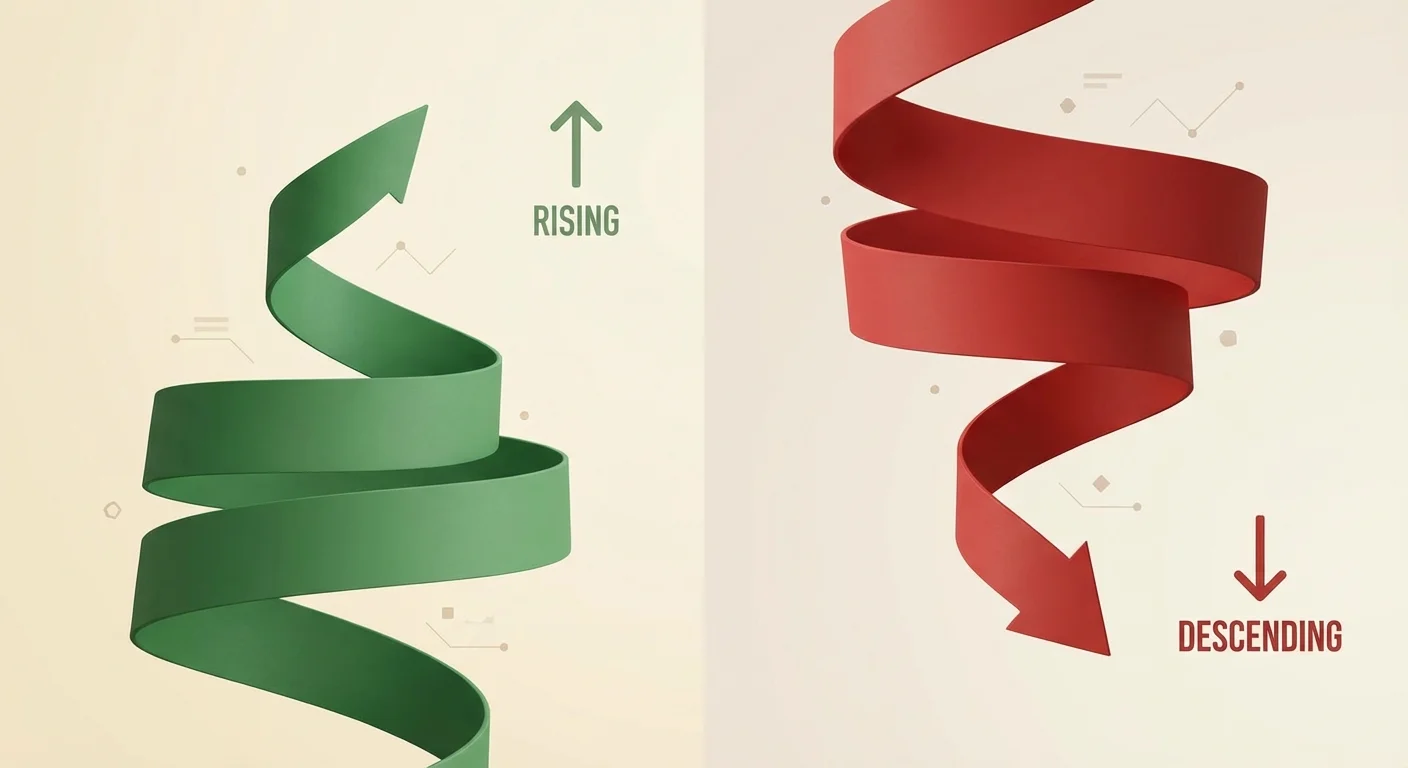
A bull market occurs when stock prices rise by 20% or more from a recent low, and investor confidence remains high. This cycle typically aligns with a healthy economy. When businesses report strong earnings, unemployment stays low, and consumers spend money freely, the stock market reflects this optimism. The term “bull” originates from the way the animal attacks—by thrusting its horns upward into the air.
During a bull market, you will notice a few consistent characteristics:
- Rising Stock Prices: Major indices like the S&P 500 or the Dow Jones Industrial Average climb steadily over months or years.
- High Investor Confidence: You will hear more people talking about their gains at dinner parties or on social media. This “FOMO” (fear of missing out) often drives even more buying.
- Strong Economic Growth: Indicators like Gross Domestic Product (GDP) usually trend upward, showing that the country is producing more goods and services.
- Increased IPO Activity: More private companies decide to “go public” and list their shares on the stock exchange because they know investors are eager to buy.
While bull markets feel great, they can lead to overvaluation. When investors become too optimistic, they may drive stock prices higher than the actual value of the underlying companies. This is where the phrase “irrational exuberance” comes from—a term popularized by former Federal Reserve Chairman Alan Greenspan.
“Be fearful when others are greedy, and greedy when others are fearful.” — Warren Buffett, Chairman and CEO of Berkshire Hathaway

Understanding the Bear Market
If a bull market is an upward thrust, a bear market is a heavy swipe downward. Technically, a bear market begins when stock prices drop by 20% or more from their most recent peak. This decline usually happens across broad market indices, not just in a single stock or sector. The name comes from the way a bear attacks by swiping its paws downward.
Bear markets often coincide with or precede an economic recession. Investors become pessimistic and start selling their shares, fearing further losses. This selling pressure creates a self-fulfilling prophecy; as more people sell, prices drop further, causing even more panic. Indicators of a bear market include:
- Widespread Pessimism: Headlines turn negative, and the general public begins to fear a total economic collapse.
- Declining Corporate Profits: Companies may report lower earnings due to decreased consumer spending or rising costs.
- Rising Unemployment: As the economy slows, businesses may lay off workers to cut costs.
- Increased Volatility: Price swings become larger and more frequent, making it difficult to predict daily movements.
Data from Investor.gov suggests that while bear markets are painful, they are a natural and necessary part of the economic cycle. They “reset” valuations that have grown too high during the preceding bull market. According to Morningstar, the S&P 500 has experienced roughly 15 bear markets since 1926, and in every single instance, the market eventually recovered and reached new highs.
Key Differences at a Glance
To help you distinguish between these two phases of the cycle, consider how they impact different aspects of your financial life. The following table highlights the primary contrasts between bull and bear environments.
| Feature | Bull Market | Bear Market |
|---|---|---|
| Price Trend | Rising (20% or more increase) | Falling (20% or more decrease) |
| Investor Sentiment | Optimistic, confident, greedy | Pessimistic, fearful, cautious |
| Economic Growth | Expanding GDP, low unemployment | Contracting GDP, rising unemployment |
| Average Duration | Several years (approx. 6.6 years) | Roughly 14 to 18 months |
| Interest Rates | Often rising (to control inflation) | Often falling (to stimulate growth) |

The Role of Market Corrections
It is important not to confuse a “correction” with a “bear market.” A market correction is a decline of at least 10%—but less than 20%—from a recent peak. These are much more common than bear markets and act as a “healthy” pause in a bull market. Think of a correction as a breather for the market after a long run upward.
Corrections typically last for a short duration, often weeks or a few months. They offer an opportunity for long-term investors to buy shares at a slight discount. According to historical data provided by FINRA, corrections happen about once a year on average. If you panic and sell during a 10% correction, you often miss out on the subsequent recovery, which usually happens quickly.

Psychology and the Market Cycle
Your greatest enemy in the stock market isn’t the bear; it’s your own brain. Human beings are hardwired for survival—our “fight or flight” response triggers when we see our wealth shrinking. In a bull market, your brain releases dopamine as you watch your net worth grow, leading you to take more risk than you perhaps should. In a bear market, fear takes over, and you may feel an overwhelming urge to sell everything to “save what’s left.”
Successful investors recognize these emotional triggers and stick to a pre-determined plan. John Bogle, the founder of Vanguard, famously advocated for a simple, long-term approach that ignores the noise of market cycles.
“The stock market is a giant distraction to the business of investing.” — John Bogle, Founder of Vanguard

Professional vs. Self-Guided Management
Determining how to handle market cycles depends heavily on your personality, your time horizon, and your level of financial knowledge. You may choose to manage your own investments or seek professional help based on the following scenarios.
Scenario 1: You are a “Set It and Forget It” DIY Investor. If you have a high risk tolerance and can ignore the news during a downturn, self-guiding is often the best path. You can use low-cost index funds and a simple rebalancing strategy to navigate both bull and bear markets without paying high management fees.
Scenario 2: You Feel Paralyzed During Market Drops. If you find yourself unable to sleep when the market drops 10%, you might benefit from a professional advisor. A Certified Financial Planner (CFP) acts as a behavioral coach, preventing you from making emotional mistakes—like selling at the bottom—that could derail your retirement.
Scenario 3: You Have a Complex Financial Situation. If you are nearing retirement, managing a business, or dealing with significant tax issues, professional guidance is essential. An expert can help you shift your asset allocation from growth-oriented (bull market focus) to capital preservation (bear market protection) as you get closer to needing your money.
Scenario 4: You Enjoy the Research. If you have the time and passion to study economic indicators, corporate balance sheets, and historical cycles, self-guided investing allows you to implement specific strategies, such as “value investing” during bear markets or “growth investing” during bull runs.

Common Mistakes to Avoid
Navigating these cycles is more about avoiding errors than picking the “perfect” stock. Here are the most frequent mistakes investors make during different market phases:
- Trying to Time the Market: Many people try to “sell high” before a bear market starts and “buy low” just as a bull market begins. In reality, even professionals rarely get this right. Missing just a few of the market’s best days can drastically reduce your long-term returns.
- Checking Your Portfolio Too Often: During a bear market, checking your balance daily only increases your stress. If you don’t need the money for ten years, what the market does today doesn’t matter.
- Chasing Performance: During a bull market, it is tempting to dump your diversified portfolio to buy whatever “hot” sector is currently skyrocketing. This usually leads to buying at the peak right before a correction.
- Ignoring Your Risk Tolerance: People often think they are aggressive investors when the market is going up. A bear market is a “truth serum” that reveals how much risk you can actually handle. Ensure your portfolio matches your actual ability to withstand losses.
- Stopping Contributions During a Downward Trend: One of the best ways to build wealth is “dollar-cost averaging”—investing a fixed amount of money regularly regardless of price. In a bear market, your fixed investment buys more shares while they are on sale. Stopping your contributions means you miss out on the “sale.”

How the Federal Reserve Influences Cycles
You cannot discuss bull vs bear markets without mentioning the Federal Reserve, the central bank of the United States. The “Fed” has a dual mandate: to promote maximum employment and keep prices stable (control inflation). They influence market cycles primarily by adjusting interest rates.
When the economy is sluggish, the Fed typically lowers interest rates. This makes it cheaper for businesses to borrow money to expand and for consumers to buy homes and cars. Lower rates often spark a bull market. Conversely, if the economy is “overheating” and inflation is rising, the Fed raises interest rates. This cools down spending and can lead to a market correction or even a bear market. Keeping an eye on the Federal Reserve’s announcements can give you a heads-up on which way the winds are blowing.

Strategies for a Bull Market
When the market is rising, your primary goal is to participate in the growth while staying disciplined. Don’t let the excitement lead to reckless behavior.
- Rebalance Regularly: As stocks rise, they might start to account for a larger percentage of your portfolio than you intended. For example, if your goal is 60% stocks and 40% bonds, a bull market might push you to 75% stocks. Selling some stocks to buy bonds brings you back to your target risk level.
- Stay Diversified: Don’t put all your money into the one sector that is leading the bull market (like Tech or AI). Different sectors take turns leading the market, and diversification protects you when the leaders eventually stumble.
- Focus on Quality: Use the “good times” to ensure you own companies with strong balance sheets and real earnings, rather than speculative companies that only go up because of “hype.”

Strategies for a Bear Market
When the market turns sour, your goal shifts from “winning” to “surviving” and positioning yourself for the eventual recovery.
- Tax-Loss Harvesting: If you have investments in taxable accounts (not 401ks or IRAs) that have lost value, you can sell them to “realize” the loss. You can use these losses to offset capital gains or up to $3,000 of your ordinary income. You can then reinvest the proceeds in a similar (but not identical) fund to stay in the market.
- Focus on Dividends: Companies that pay consistent dividends can provide a “cushion” during a bear market. Even if the stock price is down, the dividend payments provide cash flow that you can reinvest at lower prices.
- Review Your Emergency Fund: A bear market is the worst time to be forced to sell stocks because you need cash for a car repair or a medical bill. Ensure you have 3–6 months of expenses in a high-yield savings account so you never have to sell your investments at a loss.
Frequently Asked Questions
How long do bear markets usually last?
On average, a bear market lasts about 14 to 18 months. However, this varies significantly. The COVID-19 bear market of 2020 lasted only about a month, while the bear market during the 2008 Great Recession lasted over 17 months. It is important to remember that the recovery to previous highs often takes longer than the decline itself.
Is it better to invest during a bull or bear market?
Mathematically, your future returns are higher when you buy during a bear market because you are purchasing assets at lower valuations. However, the best time to invest is simply “as soon as possible” and “consistently.” Trying to wait for a bear market to start investing (market timing) usually results in missing out on years of bull market gains.
Does a bear market always mean a recession?
Not always. While they are closely linked, there have been “wall street” bear markets that did not lead to a “main street” recession. For example, the 1987 market crash saw a massive drop in stock prices, but the broader economy remained relatively stable and didn’t enter a formal recession until years later.
Can I lose all my money in a bear market?
If you are diversified across hundreds of companies through an index fund or ETF, the only way to lose “all” your money is if every major company in the world goes to zero—in which case, we would have much larger problems than our stock portfolios. You only “lose” money if you sell your shares while they are down. If you hold through the cycle, you still own the same number of shares, which can recover in value.
Building Your Long-Term Perspective
Your journey as an investor will involve many bull and bear markets. If you start investing in your 20s or 30s, you might experience 10 or more of these cycles before you retire. Each one will feel unique and frightening in the moment, but the historical trajectory of the market remains upward. The most successful investors aren’t the ones who can predict the future; they are the ones who can control their behavior in the present.
Take the time to assess your current portfolio. Is it diversified enough to handle a 20% drop? Do you have enough cash on hand to avoid selling during a downturn? If you can answer “yes” to these questions, you are already ahead of most investors. Whether the market is charging like a bull or hibernating like a bear, your job is to stay the course and keep your eyes on the horizon.
The information in this guide is meant for educational purposes. Your specific circumstances—including income, debt, tax situation, and goals—may require different approaches. When in doubt, consult a licensed professional.
Last updated: February 2026. Financial regulations and rates change frequently—verify current details with official sources.









Leave a Reply