
A sudden cold snap or a record-breaking summer heatwave does more than just make you uncomfortable—it strains your bank account. For many American households, utility bills represent a significant portion of monthly expenses; sometimes forcing a choice between staying warm and buying groceries. If you find yourself staring at a “shut-off notice” or simply cannot keep up with the rising cost of natural gas, electricity, or heating oil, the Low Income Home Energy Assistance Program (LIHEAP) exists to bridge that gap.
LIHEAP is a federally funded program that helps low-income households manage costs associated with home energy bills, energy crises, weatherization, and energy-related minor home repairs. While the federal government provides the funding, individual states, territories, and tribal governments administer the program. This means the specific rules, application dates, and benefit amounts vary depending on where you live. Understanding how to navigate this system can mean the difference between financial distress and a safe, comfortable home.

The Essentials: What You Need to Know
- Income-Based Support: Eligibility primarily depends on your household size and annual gross income.
- Multiple Types of Aid: LIHEAP covers more than just monthly bills; it also assists with emergency “crisis” situations and long-term weatherization.
- First-Come, First-Served: Funding is limited each year—applying as soon as the window opens is critical.
- No Payback Required: Unlike a loan, LIHEAP is a grant that you do not have to pay back.
Decoding LIHEAP Eligibility Requirements
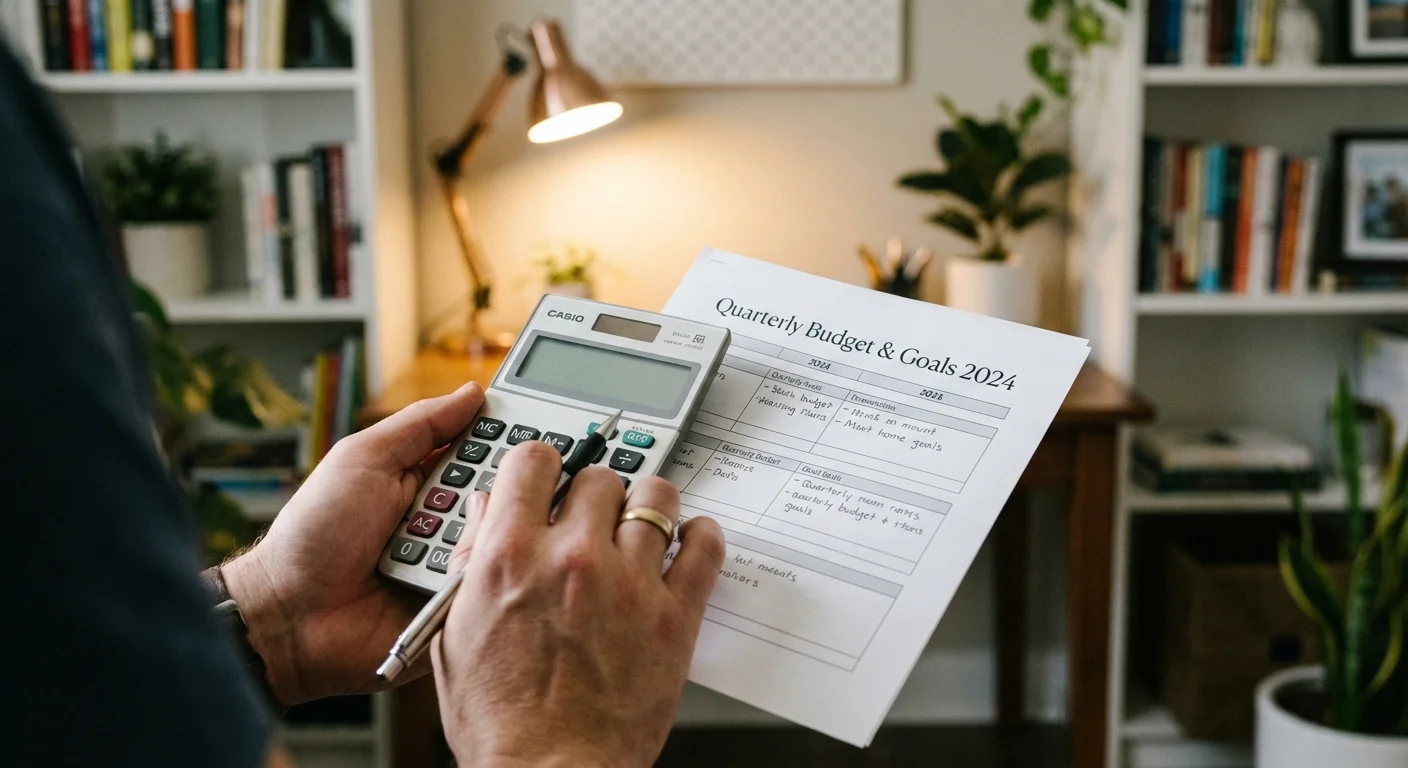
To qualify for a LIHEAP application, your household must meet specific financial criteria. Federal law sets the maximum income levels, but states have the flexibility to set their own limits within those federal guidelines. Generally, your household income must not exceed 150% of the Federal Poverty Guidelines or 60% of your state’s median income level.
For example, in many states, a family of four can earn up to approximately $45,000 to $50,000 annually and still qualify for assistance. If you or someone in your home receives benefits from other programs—such as the Supplemental Nutrition Assistance Program (SNAP), Supplemental Security Income (SSI), or Temporary Assistance for Needy Families (TANF)—you may be automatically eligible. This “categorical eligibility” simplifies the process, though you must still submit an application to the correct local agency.
| Household Size | 150% of Federal Poverty Level (Approximate) | 60% of State Median Income (Varies by State) |
|---|---|---|
| 1 Person | $22,590 | $28,000 – $35,000 |
| 2 People | $30,660 | $36,000 – $45,000 |
| 3 People | $38,730 | $45,000 – $55,000 |
| 4 People | $46,800 | $54,000 – $65,000 |
Keep in mind that these numbers change annually. You should check the USA.gov benefits portal or your state’s Department of Human Services website for the most accurate, up-to-date figures in your region.
The Four Pillars of LIHEAP Support
Low income energy help is not a one-size-fits-all solution. The program addresses different types of energy needs through four distinct categories of assistance. Depending on your situation, you might qualify for one or several of these sub-programs.
1. Heating Assistance
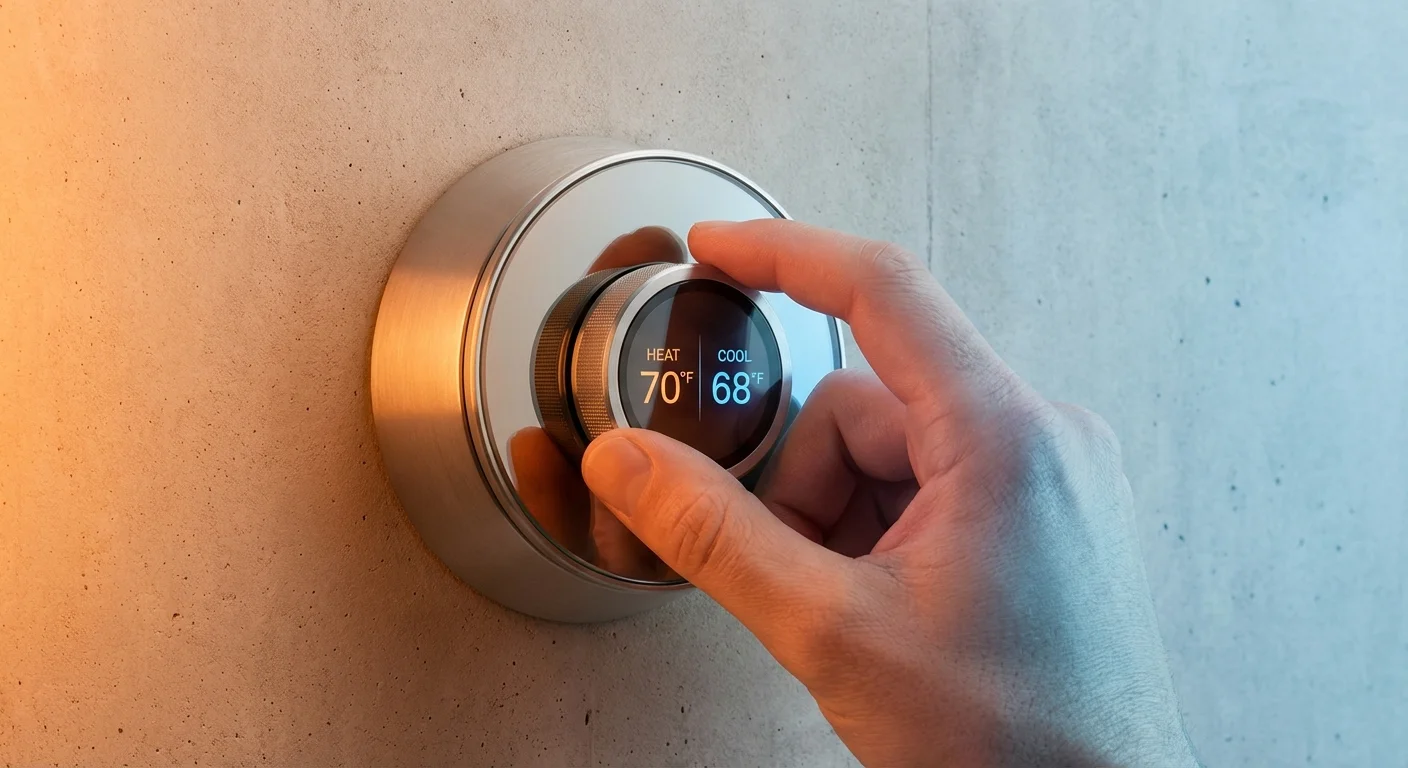
This is the most common form of LIHEAP aid. It provides a one-time payment—usually sent directly to your utility company—to help cover the cost of heating your home during the winter months. Whether you use electricity, natural gas, wood, propane, or heating oil, this grant reduces the total amount you owe on your bill.
2. Cooling Assistance
While many people associate utility assistance with winter, extreme heat is equally dangerous. In warmer climates, states use LIHEAP funds to help residents pay for electricity used for air conditioning. Some states even provide assistance for purchasing or repairing fans and air conditioning units for vulnerable populations, such as seniors or those with chronic medical conditions.
3. Energy Crisis Intervention
If you receive a notice that your power or gas will be shut off within 48 hours, or if you have already run out of heating fuel, you enter “crisis” mode. LIHEAP prioritizes these applications. Crisis intervention programs can expedite payments to stop a shut-off or provide an emergency delivery of fuel. Most states require you to provide a copy of your termination notice to trigger this faster processing time.
4. Weatherization and Home Repairs
The most sustainable way to lower utility bills is to make your home more energy-efficient. LIHEAP funds often support the Weatherization Assistance Program (WAP). This can include adding insulation, sealing air leaks around windows and doors, and repairing or replacing inefficient furnaces and water heaters. These improvements provide long-term financial relief by permanently lowering the amount of energy required to keep your home comfortable.
“When you are struggling to make ends meet, the most important thing is to protect your four walls: food, utilities, shelter, and transportation. Programs like LIHEAP are vital tools that keep your family safe while you work toward a more stable financial future.” — Suze Orman, Personal Finance Expert

The LIHEAP Application Process: A Step-by-Step Guide
Applying for utility bill assistance requires preparation. Because funds often run out before the end of the season, you should gather your documentation and submit your request as early as possible. Most states begin accepting winter applications in October or November.
Step 1: Identify Your Local Agency
The federal government does not process applications directly. You must apply through your state’s designated agency—often the Department of Health and Human Services or a local Community Action Agency. You can find your local office by calling the National Energy Assistance Referral (NEAR) hotline at 1-866-674-6327.
Step 2: Gather Required Documentation
Missing paperwork is the primary reason applications face delays or denials. At a minimum, you will likely need:
- Recent copies of your utility bills (electric, gas, or fuel invoices).
- Proof of income for everyone in your household for the last 30 days (pay stubs, Social Security award letters, or pension statements).
- Government-issued identification for the head of household.
- Social Security numbers for all household members.
- A copy of your lease or a rent receipt if your utilities are included in your rent.
- Documentation of any recent financial crises (medical bills, job loss, or shut-off notices).
Step 3: Submit the Application
Many states now offer online portals for LIHEAP applications, which is often the fastest method. If an online option is not available, you may need to mail in a paper application or schedule an in-person appointment at your local Community Action Agency. If you are a senior or have a disability that prevents you from traveling, ask if the agency offers home visits or phone interviews.
Step 4: Follow Up and Verify
After submitting your application, you will receive a notice of eligibility. If approved, the agency will inform you of the benefit amount and how it will be paid. In most cases, the credit appears directly on your utility statement within one or two billing cycles. Continue paying as much as you can on your bill while the application is pending to avoid late fees or disconnection.

Avoiding Common Errors
Navigating government bureaucracy is often frustrating, but avoiding these common mistakes will increase your chances of a successful application.
Ignoring the Deadline: Many people wait until they receive a shut-off notice to apply. However, “regular” heating assistance funds are often distributed on a first-come, first-served basis. If you wait until mid-winter, the funds may already be exhausted. Apply early in the season, even if you don’t have an immediate crisis.
Inaccurate Income Reporting: You must report the gross income (before taxes) for every adult living in the home. If you have a roommate or an adult child living with you who contributes to household expenses, their income usually counts toward the household total. Failing to report all income sources can lead to a denial or a requirement to pay back the benefits later.
Failing to Notify the Utility Company: If you are in the process of applying for LIHEAP, tell your utility company. Many utility providers have “protection periods” or “budget billing” options that can prevent a shut-off while your application is being processed. They may also have their own internal charitable programs that offer additional help.

Beyond LIHEAP: Other Ways to Save on Utilities
While LIHEAP provides essential relief, it is rarely enough to cover 100% of your energy costs for the entire year. You should combine this assistance with other cost-saving strategies to maximize your financial security. The Consumer Financial Protection Bureau (CFPB) offers resources on managing debt and household expenses that can help you prioritize your bills during lean months.
Consider enrolling in “Budget Billing” or “Levelized Billing” through your utility provider. These programs take your total annual energy usage and divide it into 12 equal monthly payments. This prevents the “sticker shock” of a $400 heating bill in January and a $50 bill in May, making it much easier to stick to a monthly budget.
Additionally, check with your local non-profits. Organizations like the Salvation Army, St. Vincent de Paul, and local churches often maintain small emergency funds specifically for utility assistance. These “gap” funds can help if you earn slightly too much to qualify for LIHEAP but still struggle to pay your bills.

When DIY Isn’t Enough
Sometimes, simply applying for a grant isn’t sufficient to solve a complex utility problem. You may need to seek professional guidance in the following scenarios:
- Illegal Disconnection: If your utility company shuts off your service despite you having a medical protection form on file or during a state-mandated “no-shut-off” window for extreme weather, you may need legal aid.
- Landlord-Tenant Disputes: If your landlord is responsible for your utilities but has failed to pay the bill, leading to a shut-off, this is a legal matter. Contact your local housing authority or the Department of Housing and Urban Development (HUD) for guidance on tenant rights.
- Massive Billing Errors: If your bill suddenly triples without a change in usage or weather, and the utility company refuses to investigate a potential meter error or leak, you should contact your state’s Public Utility Commission (PUC) to file a formal complaint.
Frequently Asked Questions
Can I get LIHEAP if I rent my home?
Yes. Renters are eligible for LIHEAP. If your utilities are included in your rent, you may still receive a direct payment or a credit toward your rent, depending on your state’s specific policies.
Does LIHEAP pay for water or internet?
Standard LIHEAP funds are strictly for heating and cooling. However, some states have separate programs, like the Low Income Household Water Assistance Program (LIHWAP), which follows similar eligibility rules. For internet assistance, look into the “Affordable Connectivity Program” or similar federal initiatives.
How long does it take to get a decision?
For non-emergency applications, it can take 30 to 45 days to process your paperwork. Crisis applications are usually processed within 48 hours, or 18 hours if the situation is life-threatening.
Do I have to be on welfare to qualify?
No. Many “working poor” families who have never received other forms of public assistance qualify for LIHEAP. As long as your gross income falls below the state threshold, you are eligible to apply.
Moving Forward Toward Financial Security
Managing your home energy costs is a critical part of building a solid financial foundation. By utilizing LIHEAP and the Weatherization Assistance Program, you reduce the volatility of your monthly expenses and protect your family from the health risks of extreme temperatures. Take the first step today by identifying your local agency and checking their application dates. Even if you aren’t sure if you qualify, it is worth applying—the peace of mind that comes with a warm home is worth the effort of the paperwork.
This is educational content based on general financial principles. Individual results vary based on your situation. Always verify current tax laws, investment rules, and benefit eligibility with official sources.
Last updated: February 2026. Financial regulations and rates change frequently—verify current details with official sources.









Leave a Reply