
You stand in the aisle of a big-box retailer, staring at two cast-iron skillets. One costs $20 and feels surprisingly light; the other costs $80, weighs significantly more, and boasts a finish that looks like it could survive a century of campfire cooking. Your instinct, honed by years of trying to stay under budget, nudges you toward the $20 option. After all, $60 saved today is $60 you can put toward groceries or gas. However, this immediate “saving” often masks a long-term financial drain. Choosing the cheaper item frequently leads to a cycle of replacement, frustration, and ultimately, a much higher total cost of ownership. This is the core of the buy it for life (BIFL) philosophy—a strategic approach to spending where quality over quantity becomes your primary engine for frugal long-term savings.
The concept isn’t just about luxury or brand names; it is about durability, repairability, and the mathematical reality of your household budget. When you buy an item designed to last decades rather than months, you stop renting your lifestyle from manufacturers who thrive on planned obsolescence. By shifting your mindset from the sticker price to the “cost per year of use,” you unlock a level of financial security that many overlook. You stop bleeding small amounts of cash every few months and start building a portfolio of physical assets that serve you reliably for a lifetime.

The Economics of the “Boots Theory”
The most famous illustration of the BIFL strategy comes from the late author Terry Pratchett, who articulated what is now known as the “Vimes ‘Boots’ Theory of Socioeconomic Unfairness.” The theory explains that a person who can afford $50 for a pair of high-quality boots that last ten years will still have dry feet a decade later. Meanwhile, a person who can only afford $10 boots that last a season will have spent $100 on boots over that same ten-year period and will still have wet feet. This isn’t just a literary anecdote; it is a fundamental economic truth that impacts your bank account every day.
When you buy cheap goods, you pay a “poverty tax.” Low-quality materials fail faster, requiring you to expend more time, gas, and money on replacements. Modern manufacturing often prioritizes “fast fashion” and “fast furniture,” creating products that look appealing on a shelf but lack the structural integrity to survive daily wear. By investing more upfront, you essentially buy your way out of this cycle. You use your capital to secure a lower long-term expense ratio for your household.
“Price is what you pay. Value is what you get.” — Warren Buffett, Chairman and CEO of Berkshire Hathaway
Buffett’s wisdom applies as much to a kitchen blender as it does to a stock portfolio. If you view your household purchases as investments in your future cash flow, you realize that a $400 appliance that lasts 20 years is a significantly better “investment” than a $100 appliance you must replace every three years. Over twenty years, the cheap appliance will cost you roughly $700 (including inflation and tax), while the quality one remains at its initial $400 price point.
Calculating the Real Cost of Ownership
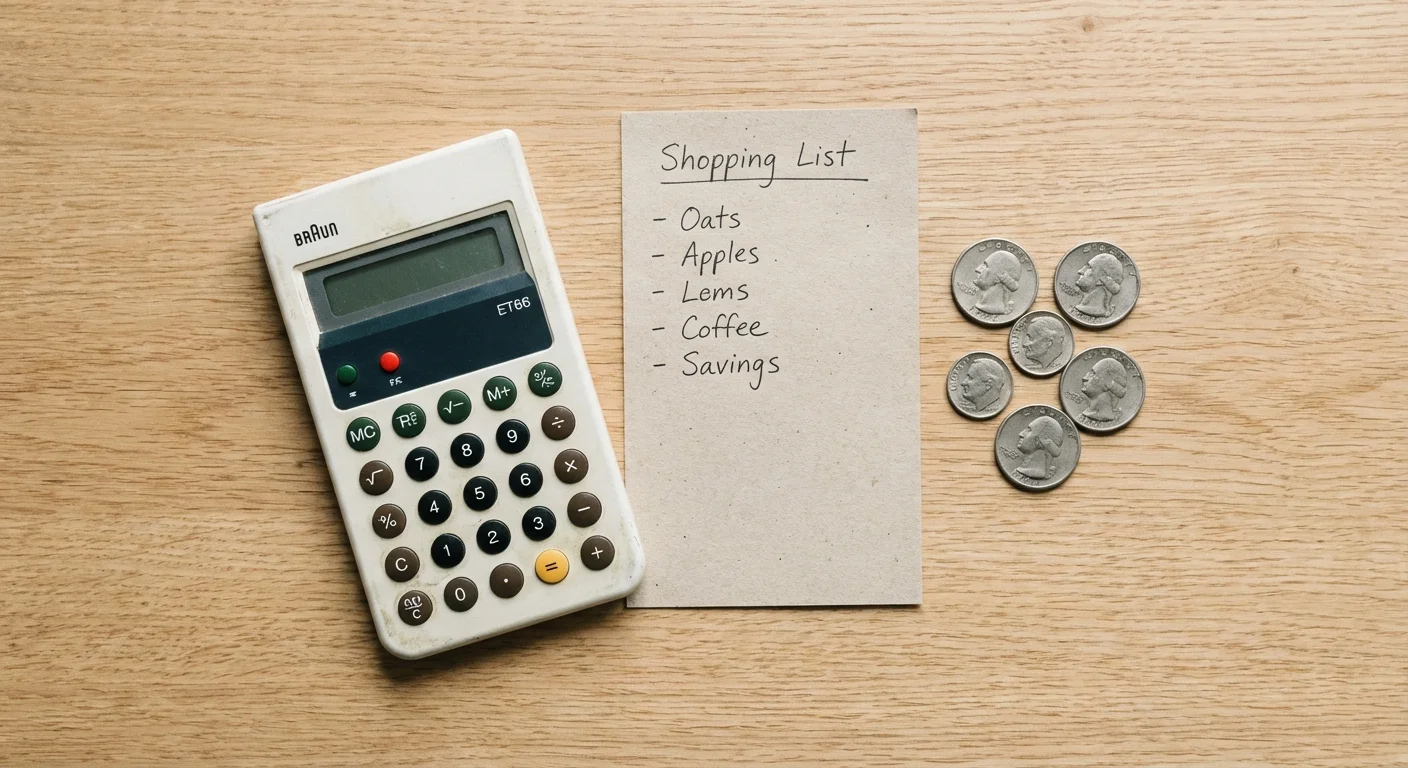
To master the buy it for life approach, you must learn to look past the price tag and calculate the Total Cost of Ownership (TCO). This metric accounts for the purchase price, maintenance costs, and the frequency of replacement. You can use a simple formula to determine if a more expensive item is actually the “frugal” choice: (Purchase Price + Estimated Maintenance) / Years of Expected Life.
Consider the humble vacuum cleaner. A budget model might cost $80 and last two years before the motor burns out or the plastic housing cracks. A high-end, repairable model might cost $600 but comes with a 10-year warranty and a track record of lasting 20 years with minor maintenance. Let’s look at the numbers over a 20-year horizon:
| Metric | Budget Vacuum | BIFL Vacuum |
|---|---|---|
| Initial Cost | $80 | $600 |
| Expected Lifespan | 2 years | 20 years |
| Replacements Needed | 10 | 0 |
| Total Spent (20 Years) | $800 (minimum) | $600 (+ minimal belts/bags) |
| Cost Per Year | $40 | $30 |
In this scenario, the “expensive” vacuum saves you $200 over its life. But the savings go deeper. You also avoid the “hassle tax”—the time spent researching new models, driving to the store, and dealing with a vacuum that loses suction halfway through its life. According to Consumer Reports, products designed for longevity often perform better throughout their entire lifespan, meaning you aren’t just saving money; you are receiving a better service for every dollar spent.

Identifying Quality: What to Look For
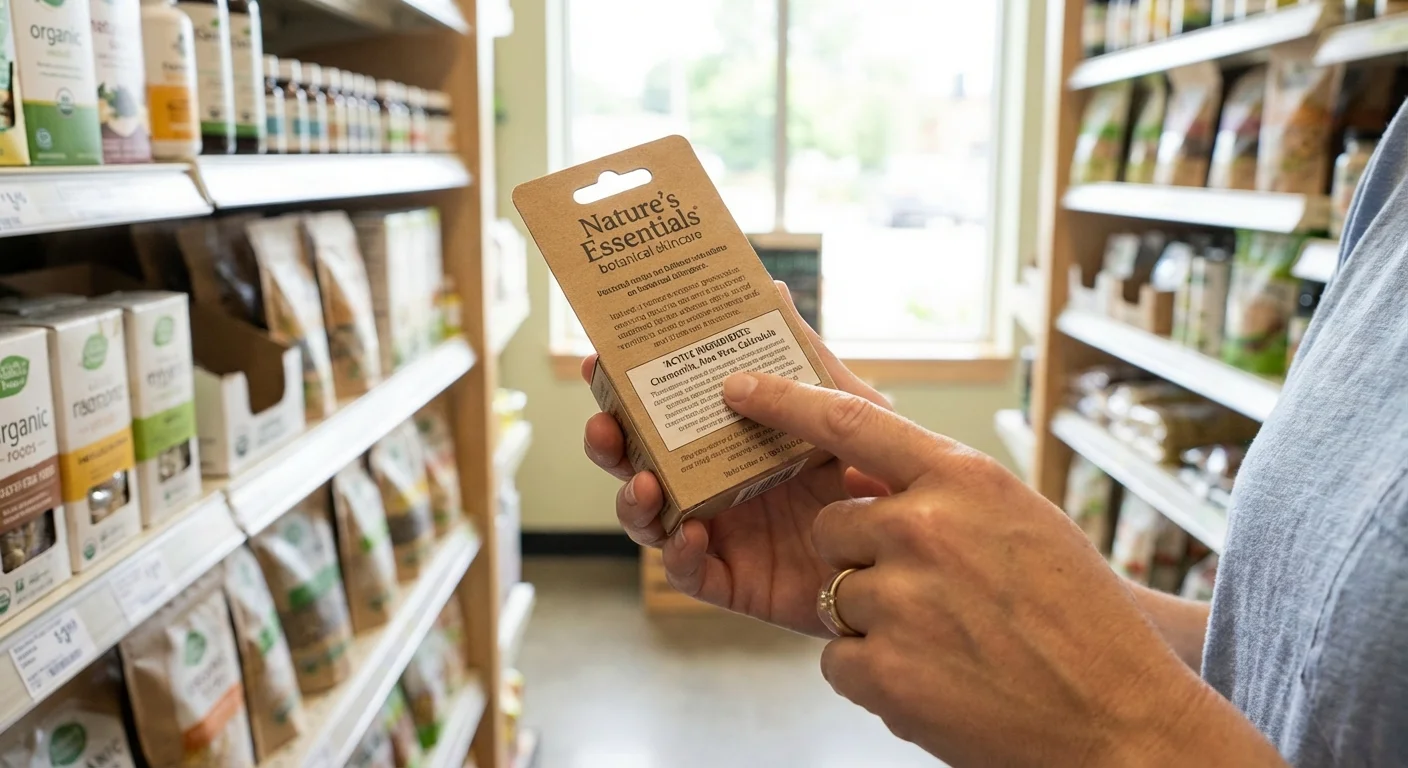
The challenge of the BIFL strategy is that a high price does not always guarantee high quality. Many luxury brands charge for the logo while using the same subpar materials as their competitors. To truly find buy it for life items, you must become a student of materials and construction. You are looking for “over-engineered” products that prioritize function and durability over aesthetic trends.
- Material Integrity: Look for solid wood instead of particle board or MDF; full-grain leather instead of “genuine” or “bonded” leather; and stainless steel or cast iron instead of plastic and thin aluminum.
- Mechanical Simplicity: In many cases, the more features a product has, the more points of failure it possesses. A manual burr coffee grinder made of steel will likely outlast a digital, programmable machine with a dozen circuit boards.
- Repairability: Can you open the device? Does the manufacturer sell replacement parts? True BIFL brands, such as Patagonia or certain tool manufacturers, encourage repair rather than replacement.
- Warranty Terms: Look for “Lifetime Warranties,” but read the fine print. A “limited lifetime warranty” that only covers manufacturing defects for one year is not the same as a brand that will repair your item regardless of how old it is.
- Community Vetting: Use resources like the “Buy It For Life” communities on social platforms and forums. Real-world data from users who have owned a product for 15 years is more valuable than a professional review of a brand-new model.
If you are unsure where to start your research, the FINRA Investor Education resources provide excellent frameworks for making informed financial decisions and evaluating the long-term impact of your spending habits.
Strategic Categories for Long-Term Savings
You cannot buy everything for life. Attempting to do so would drain your savings and likely lead to “lifestyle creep.” Instead, you should target categories where the disparity between “cheap” and “quality” is the widest. These are the areas where your investment yields the highest return in terms of avoided replacement costs.
Kitchenware and Appliances
The kitchen is perhaps the easiest place to implement a BIFL strategy. High-quality cookware made of multi-clad stainless steel or cast iron is virtually indestructible. If you buy a set of high-end pots today, you will likely never buy another set. Contrast this with non-stick pans, which have a coating that inevitably degrades after 2-3 years of use. By switching to cast iron or carbon steel, you move from a “disposable” kitchen to a “generational” one. This contributes significantly to your frugal long-term savings by eliminating a recurring expense from your household budget.
Tools and Hardware
For the DIY enthusiast or even the casual homeowner, tools are a prime BIFL candidate. Cheap plastic screwdrivers and light-duty drills fail under pressure. High-quality hand tools often come with no-questions-asked lifetime replacement guarantees. When you buy a professional-grade hammer or wrench set, you are essentially buying it for your children as well. The Consumer Financial Protection Bureau (CFPB) often emphasizes the importance of budgeting for home maintenance; having reliable tools reduces the cost of those repairs by allowing you to do the work yourself without the tool failing mid-job.
Outerwear and Footwear
Clothes are often seen as disposable, but high-quality outerwear is a different story. A well-constructed wool coat or a heavy-duty waxed canvas jacket can last thirty years with proper care. Footwear, specifically shoes with a “Goodyear welt,” allows you to replace the sole once it wears out while keeping the leather upper. This turns a $300 investment into a pair of boots that lasts 15 years through three $80 resoling jobs ($540 total), whereas buying a new $100 pair of boots every year would cost you $1,500 over the same period.

The Maintenance Mandate: Protecting Your Investment
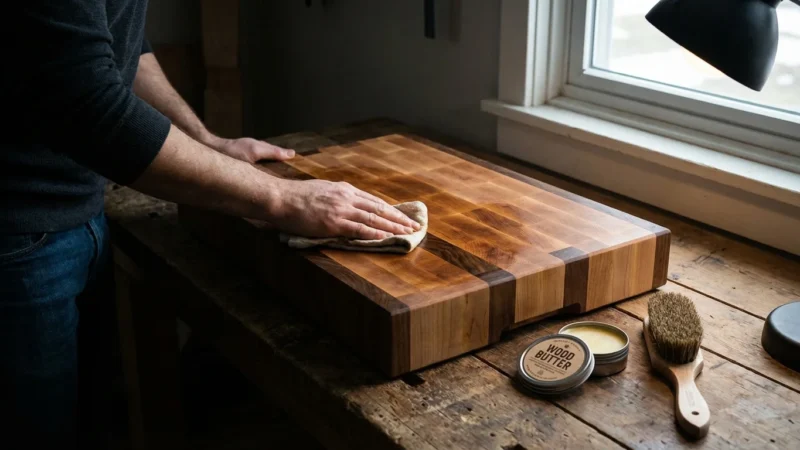
Spending more upfront only saves you money if you commit to maintaining the item. A BIFL item is not “indestructible”; it is “maintainable.” If you buy a high-end car but never change the oil, it will fail just as quickly as a budget vehicle. To maximize your frugal long-term savings, you must develop a maintenance schedule for your major purchases.
This includes conditioning leather boots to prevent cracking, seasoning cast iron to maintain its natural non-stick properties, and sharpening knives correctly rather than using a motorized sharpener that grinds away the steel. Maintenance is the labor you trade for the money you save on replacements. If you are unwilling to care for an item, the BIFL strategy will fail you, as you will still find yourself replacing “quality” goods due to neglect.

Psychological Benefits of Ownership
Beyond the raw math, buying for life changes your relationship with your possessions. When you own fewer, higher-quality things, you tend to value them more. This reduces the urge for “retail therapy” and the constant craving for the “new” version of a product. You gain a sense of satisfaction from the patina on an old leather bag or the reliable click of a well-made tool. This psychological shift is a powerful tool in your financial arsenal; it curtails the impulse spending that often derails even the best-laid budgets.
When you know that your gear won’t fail you, you also experience less stress. There is a quiet confidence that comes from knowing your car will start in the winter or that your rain jacket won’t leak during a storm. This peace of mind is a “dividend” paid out by your upfront investment.

Pitfalls to Watch For
While the BIFL strategy is powerful, it is easy to fall into traps that can actually harm your finances. You must remain vigilant to ensure your “quality” purchases are actually serving your goals.
- The Technology Trap: Do not buy “for life” in categories where technology moves too fast. Buying a $4,000 computer with the hope it will last 20 years is a mistake, as software requirements will render the hardware obsolete long before the physical components fail. Stick to mechanical or simple electrical goods for BIFL.
- The Luxury Mirage: Avoid confusing “luxury” with “durability.” A $2,000 designer handbag may be made of delicate materials that scuff easily and cannot be repaired. A $400 rugged leather satchel might be ten times more durable. Focus on “heritage” and “workwear” brands rather than “fashion” brands.
- Over-Buying for Your Needs: You don’t need a professional-grade $1,000 mixer if you only bake cookies once a year. The BIFL strategy works best for items you use frequently. For rare tasks, “cheap” might actually be the more frugal choice.
- Forgetting the Used Market: Many BIFL items are so durable that they can be purchased second-hand for a fraction of their original price. Check estate sales, thrift stores, and online marketplaces for brands like All-Clad, Le Creuset, or vintage Pyrex. This is the ultimate “cheat code” for frugal long-term savings.
Getting Expert Help
While choosing a toaster is a personal decision, larger BIFL investments often intersect with your broader financial planning. You might need professional guidance in the following scenarios:
- Capital Allocation: If you are debating whether to spend $5,000 on a high-efficiency, BIFL HVAC system or invest that money in the market, a Certified Financial Planner (CFP) can help you run the numbers on the expected Return on Investment (ROI) for your specific home.
- Debt Management: If you are considering financing a BIFL purchase (like high-quality furniture), consult a credit counselor from the National Foundation for Credit Counseling (NFCC). They can help you determine if the interest costs will negate the long-term savings of the higher-quality item.
- Tax Implications: For BIFL home improvements (like solar panels or high-end insulation), a tax professional can help you identify credits or deductions that lower your effective upfront cost.
Frequently Asked Questions
Isn’t it elitist to say “just spend more money”?
It is not about elitism; it is about recognizing the financial burden of cheap goods. For those with very tight cash flow, the BIFL strategy is a goal to work toward. You might start by saving for one high-quality item at a time rather than buying five cheap ones. It is about breaking the cycle of poverty that cheap products perpetuate.
How do I know if a brand has “sold out” its quality?
Many heritage brands get bought by conglomerates that cut costs. Before buying, check recent customer reviews and enthusiast forums. If a brand that used to be BIFL starts using more plastic or moves production to a facility known for lower standards, the community will usually talk about it. Look for the “Made in…” tags and check for changes in warranty terms.
Can I apply this to my wardrobe without spending thousands?
Yes. Focus on “natural fibers” (wool, cotton, linen, silk) and check the seams. If a garment has loose threads, thin fabric, or plastic zippers, it won’t last. You can find high-quality, BIFL clothing at thrift stores in affluent areas, allowing you to get $200 items for $15.
Is BIFL better for the environment?
Absolutely. The most sustainable product is the one you already own. By reducing the number of items that end up in landfills, you are participating in a “circular economy” mindset. Frugality and environmentalism often go hand-in-hand; less waste almost always means more money in your pocket over time.
Taking the First Step
Transitioning to a buy it for life mindset doesn’t happen overnight. If you tried to replace every cheap item in your house today, you would likely drain your emergency fund—which is never the goal of sound personal finance. Instead, start small. Identify one item you use every single day that is currently failing or about to break. Research the “forever” version of that item, calculate the cost per year, and save specifically for that purchase.
As you begin to fill your home with reliable, high-quality goods, you will notice a shift. Your “miscellaneous” spending category will shrink. Your stress levels will drop. Most importantly, you will find that you have more capital available to invest in your future because you are no longer constantly rebuying your past. True frugality isn’t about spending the least amount of money today; it’s about spending the least amount of money over your entire lifetime. By choosing quality over quantity, you aren’t just buying a product—you are buying your time and your financial freedom back.
This article provides general financial education and information only. Everyone’s financial situation is unique—what works for others may not work for you. For personalized advice, consider consulting a qualified financial professional such as a CFP or CPA.
Last updated: February 2026. Financial regulations and rates change frequently—verify current details with official sources.





Leave a Reply